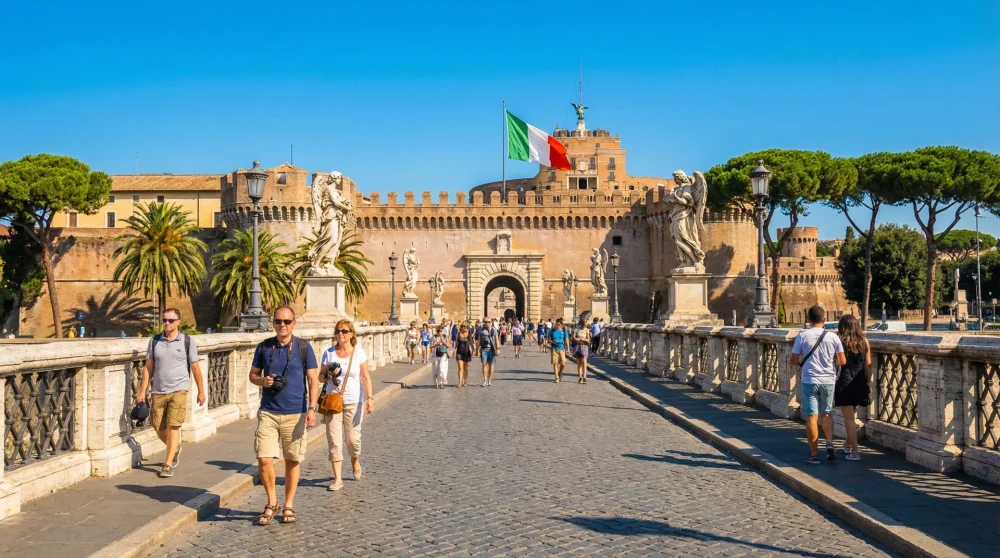
Standing on the banks of the Tiber River, a massive cylindrical fortress commands the skyline. You are looking at nearly two millennia of Roman history packed into a single structure. Most people snap a quick photo from the bridge and walk away, but doing so means missing out on one of the most multi-layered experiences in the city.
Here is everything you need to know before stepping inside this architectural marvel in 2025.
What is Castel Sant'Angelo? (A Brief History)
Originally built around 139 AD as a grand mausoleum for Emperor Hadrian, this towering rotunda refused to crumble like other ancient ruins. Over the centuries, the structure morphed into a heavily fortified military stronghold, a secure papal palace, and even a grim prison. Every level you climb reveals a completely different era. Raw stone corridors suddenly give way to lavishly painted ceilings.
What to See Inside Castel Sant'Angelo
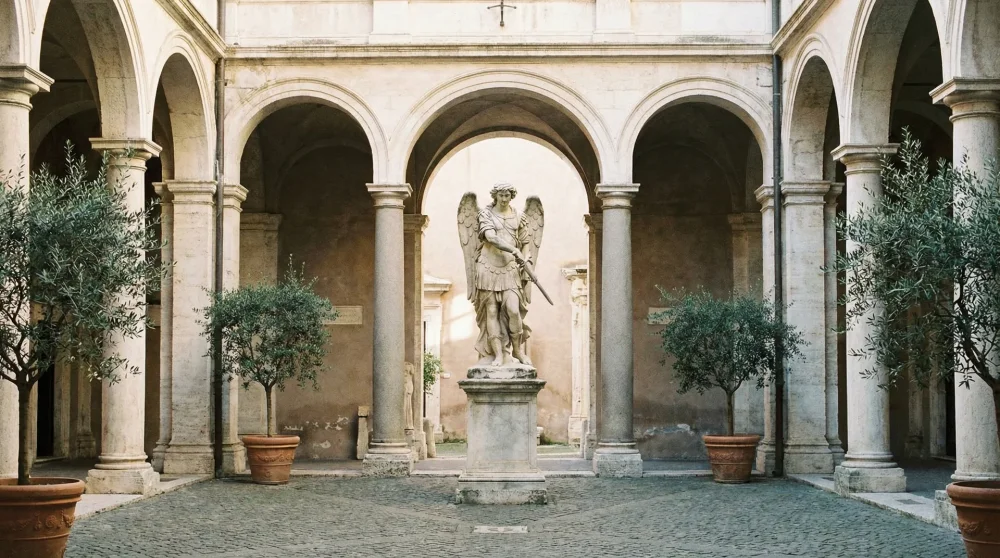
The Courtyard of the Angel
Before starting the main ascent, you encounter the original marble angel statue resting peacefully in a secluded open space. The atmosphere here is incredibly serene. Piles of stone cannonballs from medieval sieges sit quietly in the corners, reminding you of the building's violent past.
Papal Apartments and Frescoes
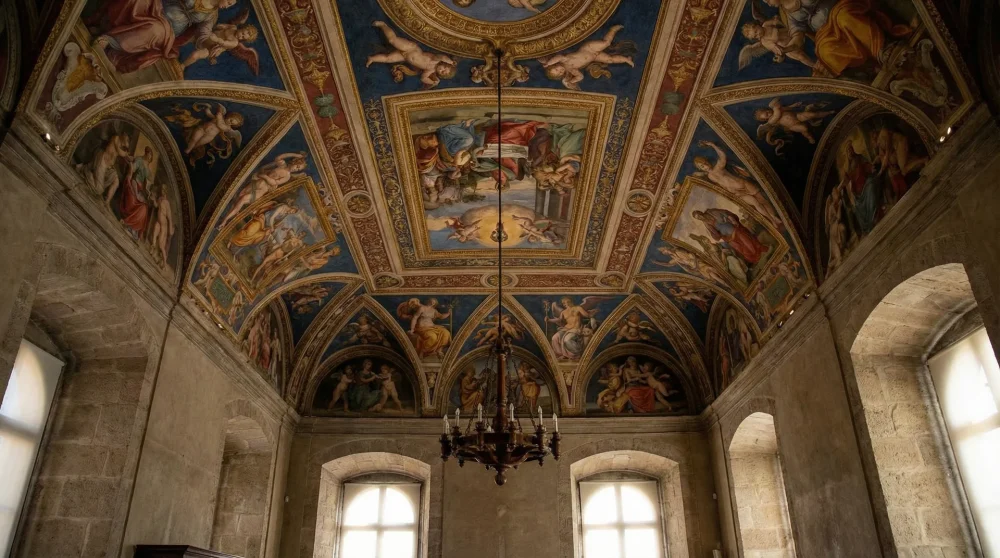
The visual contrast hits you instantly. After walking through dark, defensive military ramps, you step directly into opulent rooms covered in vibrant Renaissance frescoes. The popes clearly spared no expense when designing their ultimate safe haven. Take your time looking at the intricate details on the ceilings.
The Secret Passage (Passetto di Borgo)
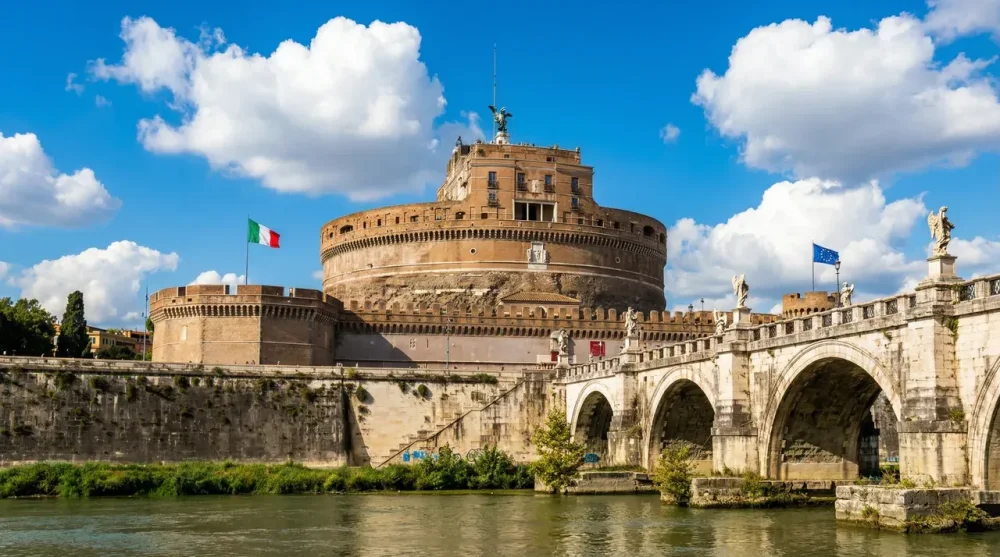
Popes used this elevated walkway to flee from the Vatican during times of sudden attack. Access to this specific corridor remains highly restricted. Do not assume your standard entry ticket covers it. You must book special tours on limited days to walk the actual escape route.
The Panoramic Terrace (Best View in Rome)
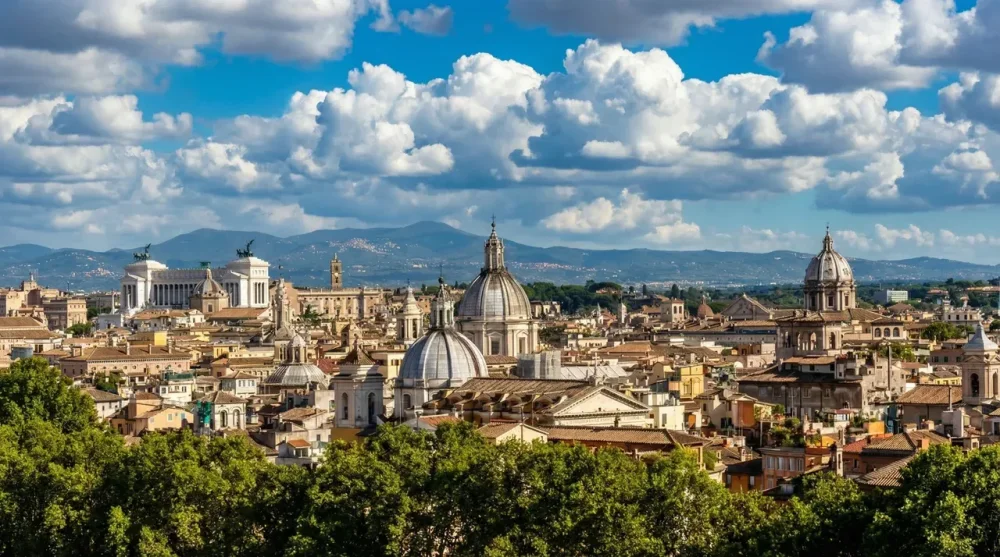
Forget the expensive and crowded rooftop bars downtown. The highest level of the fortress offers an unobstructed, 360-degree view of the city. St. Peter's Basilica stands majestically to the west, while the Tiber River winds its way through the historic center below. You will find a small cafe right below the top tier. Order an Aperol Spritz, find a quiet corner, and enjoy the Roman breeze.
Practical Information for Your Visit
Castel Sant'Angelo Tickets & Prices
General admission costs €16 for adults. EU citizens under the age of 25 pay only €2, making it one of the best budget-friendly historical sites for young travelers. Children under 18 enter for free. You can rent an audio guide for €8, though the equipment feels a bit outdated and clunky. Buying your tickets online through the official vendor is absolutely critical to skip the long queues, especially during peak travel months.
Opening Hours & Best Time to Visit
The museum operates from 09:00 to 19:30, with the last admission strictly at 18:30. The complex is typically closed on Mondays. Arrive late in the afternoon, ideally two hours before closing. This timing allows you to explore the lower levels in comfortable daylight and reach the top terrace just in time for a golden hour sunset over the Vatican. Do not arrive at the last minute; security staff will rush you through the halls, completely ruining the experience.
How to Get to Castel Sant'Angelo
The fortress sits comfortably on the right bank of the Tiber. Take a leisurely stroll from Piazza Navona or easily combine it with your Vatican City itinerary. If you are using public transit, the nearest metro stops are Ottaviano and Lepanto, both requiring just a short, pleasant walk to the gates.
Is Castel Sant'Angelo Worth Visiting? (My Verdict)
Absolutely. It offers a much quieter and more atmospheric alternative to the overcrowded Colosseum. You need a solid 2 to 3 hours to do the vast interior justice.
| Pros | Cons |
|---|---|
| Incredible panoramic views of the Vatican | Lots of steep stairs and uneven ancient ramps |
| Rarely as crowded as other major monuments | No elevator access to the very top terrace |
| Rich mix of ancient, medieval, and papal history | Secret passage access requires special timing |
Don't Miss: Ponte Sant'Angelo (The Bridge of Angels)
Before you even scan your ticket, the approach itself is a masterpiece. Ten magnificent marble angels, designed by Bernini, line the pedestrian bridge leading to the main gate.
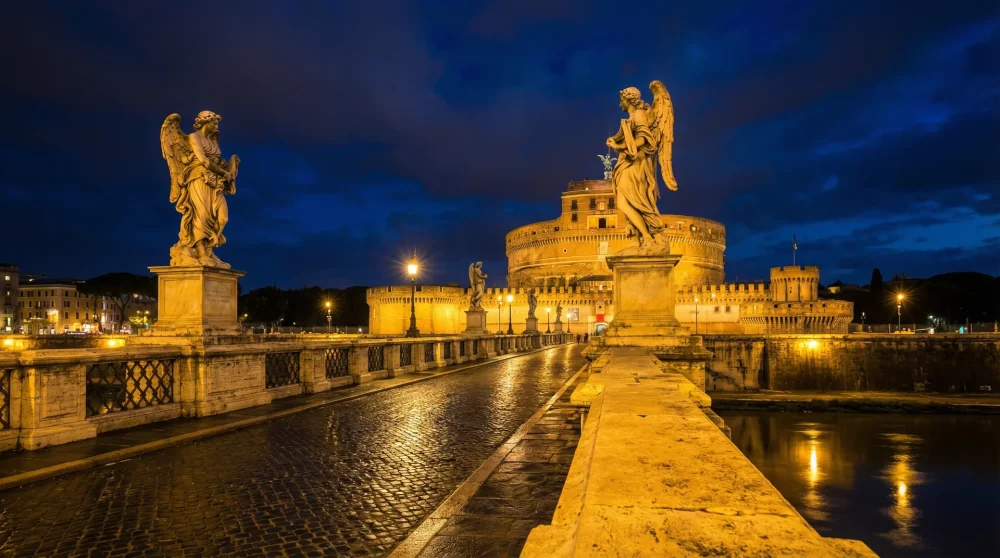
Arrive early in the morning or late at night. The crowds thin out, the statues reflect perfectly in the dark water of the Tiber, and the illuminated fortress creates a truly cinematic backdrop for your photography.


Comments (0)
Sign in to comment
Report