You are standing on the Galata Bridge, looking at the skyline. Behind you is the chaotic charm of Europe; across the water lies the mysterious Asian side. If you are planning a trip or considering moving to Istanbul, the most common dilemma you will face is this: Which side is better?
Most travel guides will tell you that Europe is for history and Asia is for residential life. While true, this is a massive oversimplification. The reality involves traffic patterns, coffee culture, rental prices, and the vibe that defines your daily life.
Here is the quick verdict before we dive deep: If you are here for 3 days to see the Hagia Sophia, stay in Europe. If you are a digital nomad, a foodie, or hate tourist traps, you belong in Asia.
The European Side: History, Chaos, and Glamour
The European side (Thrace) is what you see on postcards. It is the commercial and historical heart of the city. Districts like Fatih, Beyoğlu, Beşiktaş, and Sarıyer define this region.
The Pros of Europe
Unmatched History: You cannot argue with the heritage here. From the Blue Mosque to the hidden gems like the Chora Mosque Museum, the European side holds the weight of empires. If walking to major landmarks is your priority, this is your home base.
Shopping and Luxury: If your goal is high-end fashion and luxury dining, neighborhoods like Nişantaşı and glorious malls like Istinye Park Mall offer a world-class experience that the Asian side struggles to match.
Nightlife: For intense clubbing and rooftop bars with Bosphorus views, the European side (specifically Karaköy and Arnavutköy) is still the king.
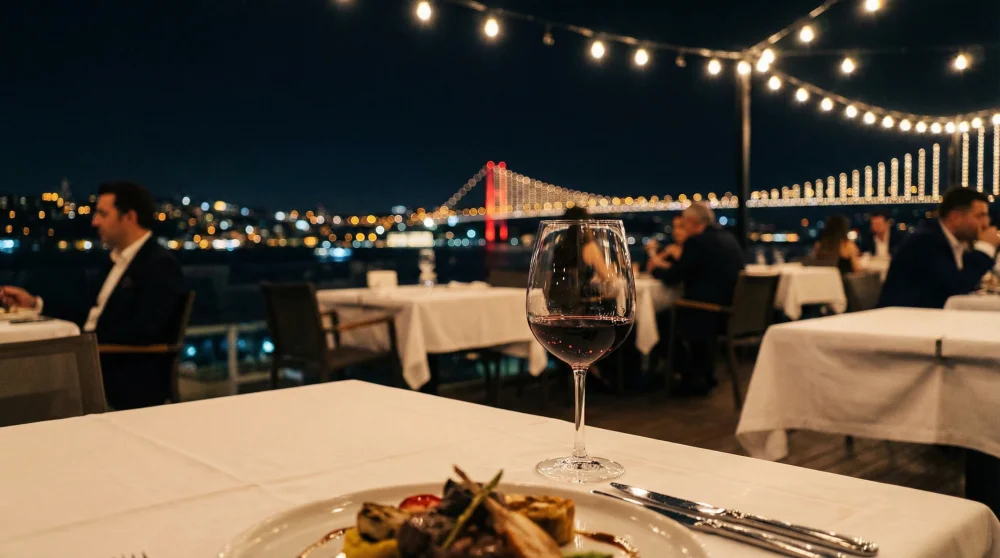
The Cons of Europe
Overcrowding: The population density here is suffocating. Walking down Istiklal Street on a Saturday feels like navigating a stampede.
Tourist Traps: You are much more likely to be overcharged for a kebab or a taxi ride in Sultanahmet than in Kadıköy.
Traffic: Traffic on the European side is not just busy; it is often completely gridlocked.
The Asian Side (Anatolia): Cool Vibes, Boardwalks, and Local Life
Crossing the Bosphorus to the Asian side feels like exhaling after holding your breath. It is generally greener, cleaner, and more relaxed. Key districts include Kadıköy, Üsküdar, and Maltepe.
The Pros of Asia
The Moda Vibe: Kadıköy (specifically the Moda neighborhood) has become the coolest place in Istanbul. It is filled with third-wave coffee shops, tattoo parlors, and young creatives. It feels like Berlin but with a sea view.
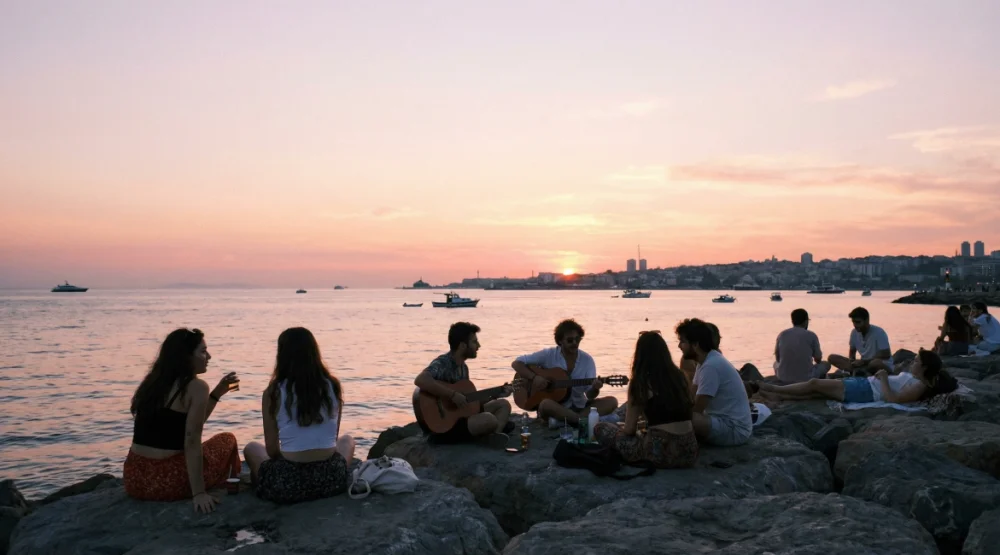
Better Coastlines: The coastline from Moda to Bostancı is one massive park. You can walk, run, or cycle for kilometers without interruption. For families, spots like Bostanci Lunapark offer a nostalgic and fun escape right in the city center.
Food Culture: While Europe has fine dining, Asia has the best street food and Esnaf Lokantası (tradesmen restaurants). You get better quality food for significantly lower prices here.
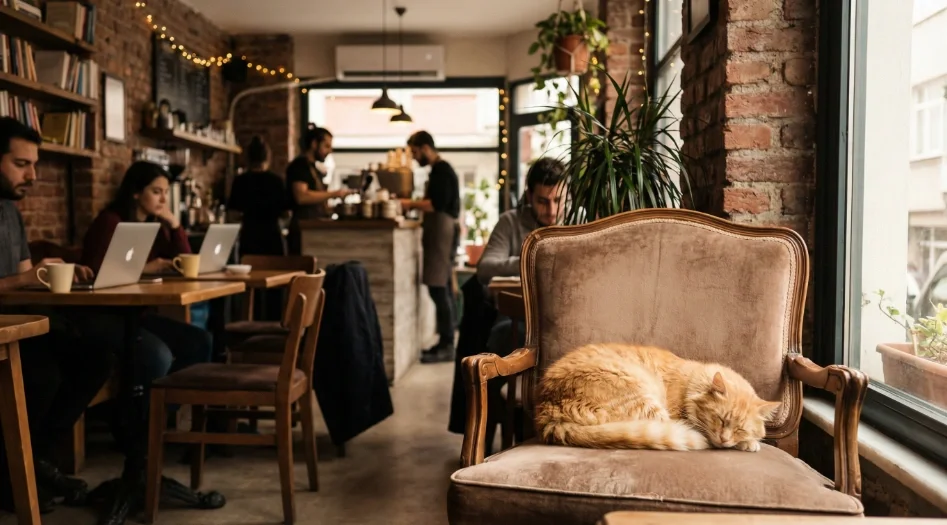
The Cons of Asia
Commute: If you work on the European side, the daily commute can be draining, although the ferry makes it bearable. Less Grand History: You won't find many Byzantine palaces here. It is more about 19th-century architecture and modern living.
Cost of Living: Is Asia Really Cheaper?
In the past, the Asian side was significantly cheaper. In [year], this gap has narrowed, especially in trendy neighborhoods.
Rent: A one-bedroom apartment in Cihangir (Europe) might cost you around 35,000 TL - 50,000 TL. A similar apartment in Moda (Asia) is now catching up, often ranging between 30,000 TL - 45,000 TL. However, if you move slightly inland to districts like Maltepe or Ataşehir, the Asian side is still 30% cheaper than its European counterparts.

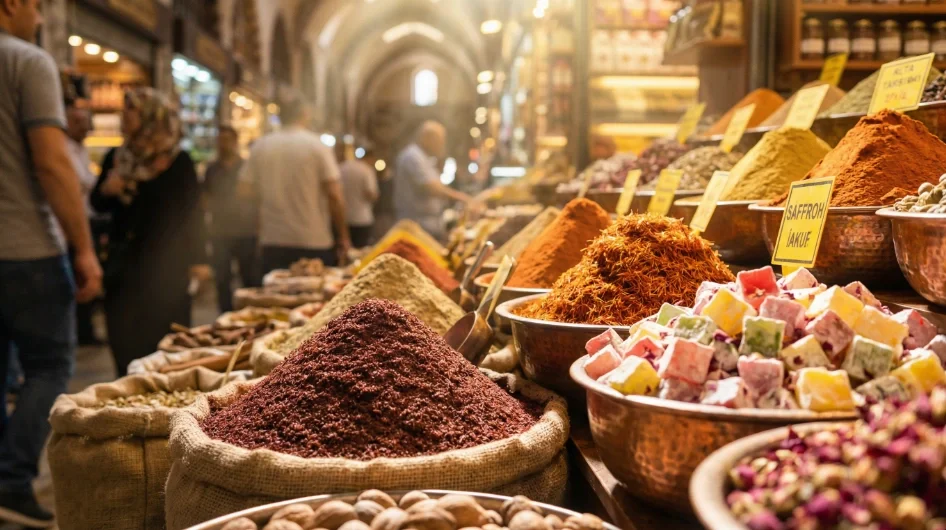
Daily Expenses: Groceries, bazaars, and casual dining are generally more affordable on the Asian side. A coffee in Beşiktaş might cost 120 TL, whereas a similar quality brew in Üsküdar might be around 90 TL.
Demographics: Who Lives Where?
European Side: This is a mix of old money (Nişantaşı/Bebek), conservative families (Fatih), and a massive influx of short-term tourists and expats who want to be close to the action.
Asian Side: This is the stronghold of the white-collar workforce, students, artists, and expats who have lived in Istanbul long enough to know better. It is younger, more secular in parts (Kadıköy), and feels more like a community.
Transportation: Crossing the Continents
The fear of crossing to the other side is a myth. Transportation between the two continents is seamless.
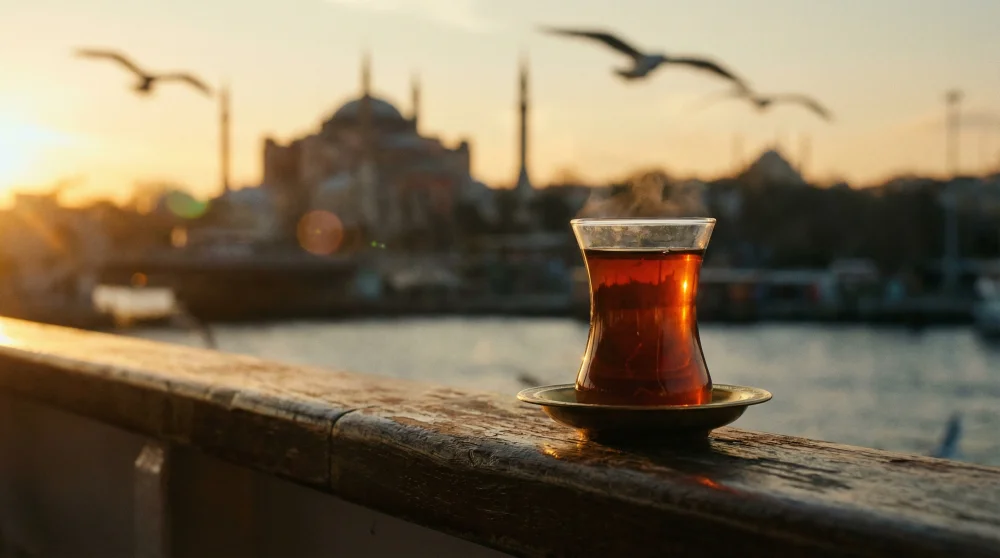
The Ferry (Vapur): This is the best commute in the world. Taking a 20-minute ferry ride from Kadıköy to Beşiktaş with a cup of tea and a simit is therapy, not travel.
Marmaray: The underwater rail tunnel connects the two sides in just 4 minutes. It is efficient, though crowded during rush hour.
Metrobus: It is fast but notoriously crowded. Avoid it unless you have no other choice.
Which One Should You Choose?
Choose the European Side if:
- It is your first time in Istanbul.
- You are only staying for less than a week.
- You want to be walking distance from the Blue Mosque and Galata Tower.
- You prefer luxury hotels and high-end shopping.
Choose the Asian Side if:
- You are planning to live in Istanbul for a month or more.
- You prefer a walkable, neighborhood vibe over tourist sites.
- You are on a budget but don't want to sacrifice quality of life.
- You want to see how modern locals actually live.
Ultimately, Istanbul is a city of two halves, and to truly understand it, you must experience both. Start with the chaos of Europe, but let the calmness of Asia be your sanctuary.
![Jekyll Island Campground Review: Best Sites & [year] Guide](https://www.rotasenin.com/uploads/2025/12/jekyll-island-campground-rv-sites.webp)




![Telfair Museums Savannah Guide: Tickets, Hours & The Bird Girl [year]](https://www.rotasenin.com/uploads/2025/12/telfair-museums-savannah-exhibitions.webp)
Comments (0)
Sign in to comment
Report