If you are visiting Jekyll Island with family, the Georgia Sea Turtle Center is likely already on your itinerary. However, before you go, it is crucial to manage your expectations: this is not an aquarium and it is not a zoo. It is a working veterinary hospital.
Located in the historic Power Plant building within the Jekyll Island Historic District, this facility is the only one of its kind in Georgia. While it is smaller than massive attractions like the Georgia Aquarium in Atlanta, the experience here is far more intimate and impactful. You aren't just watching animals; you are witnessing their survival story firsthand.
Here is how to plan your visit, understand the feeding schedules, and get the most value out of your ticket.
What to Expect: A Hospital, Not a Show
The center is divided into three main sections, and understanding this layout will help you plan your time. Most families spend about 60 to 90 minutes here.
1. The Interactive Gallery When you first enter, you don't just walk around; you become a turtle. You will receive a Junior Sea Turtle Ranger card (or a similar patient card) that allows you to track the journey of a specific turtle. It is a fantastic educational tool for kids to learn why turtles get sick (boat strikes, cold stunning, or plastic ingestion) and how they are healed.
2. The Hospital Viewing Window This is the heart of the facility. A large glass wall separates the public from the sterile treatment room. If you are lucky, you might see Dr. Terry Norton and his team performing actual surgeries or treatments on sea turtles, diamondback terrapins, or even the occasional injured bird or alligator.
- Pro Tip: Procedures often happen in the mornings between 9:00 AM and 11:00 AM, though this changes based on emergency cases.
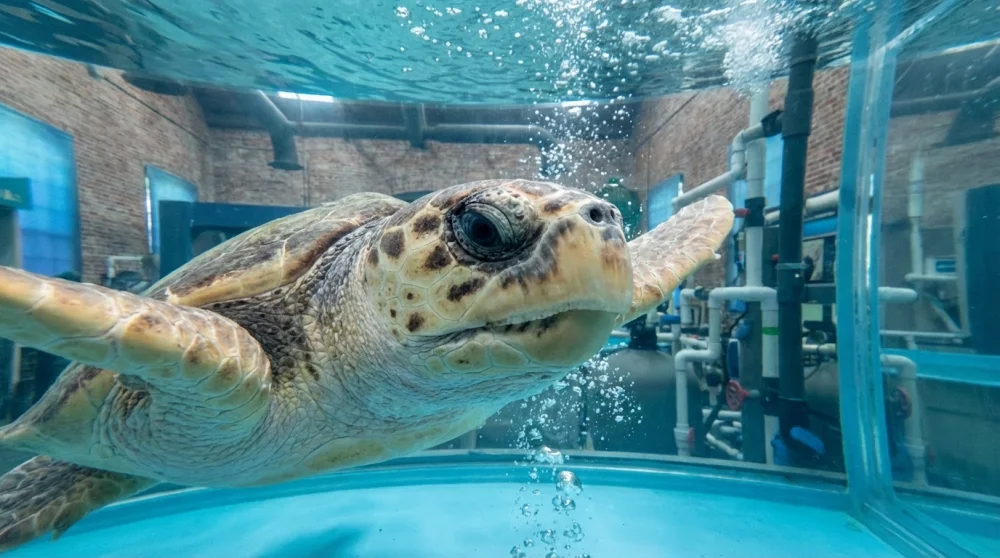
3. The Rehabilitation Pavilion This large, open-air barn (screened in) is where the recovering patients live in large tanks. You can walk around the tanks, read the charts for each turtle (just like in a human hospital), and see them swimming up close.
Feeding Times and Daily Programs
One of the most common questions visitors ask is: When is feeding time?
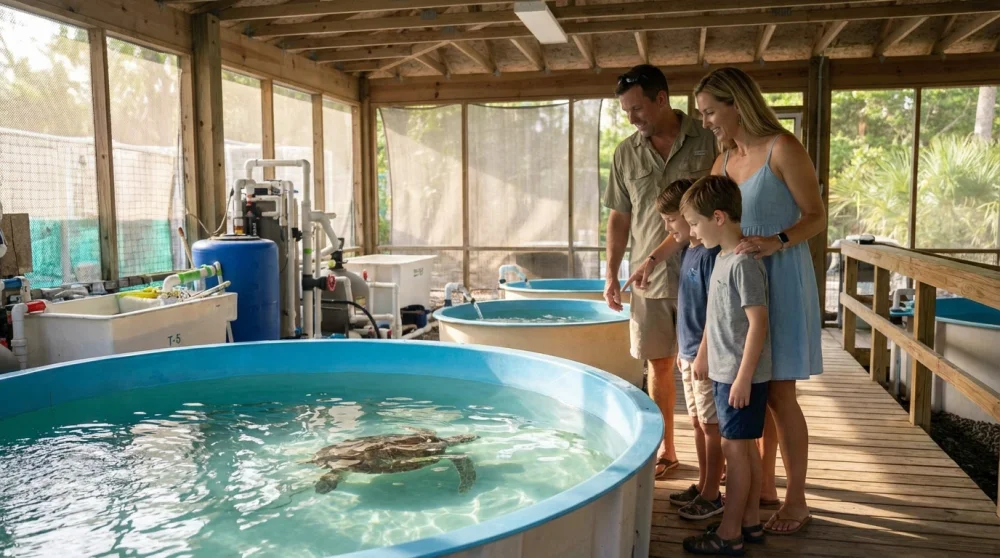
Unlike zoos with strict performance schedules, feeding here is part of medical care. However, the center runs daily educational programs that are highly engaging.
- Meet the Patients: These talks typically occur hourly (e.g., 11:00 AM, 12:00 PM, etc.). A staff member stands by the tanks in the Rehabilitation Pavilion and tells the specific stories of the turtles currently in care. They often toss food into the tanks during these talks, giving you the best chance to see the turtles active and eating.
- Feeding Philosophy: Do not expect a show where turtles jump for food. These are recovering animals. The feeding is often slow, deliberate, and focused on nutrition.
Ticket Prices and Where the Money Goes
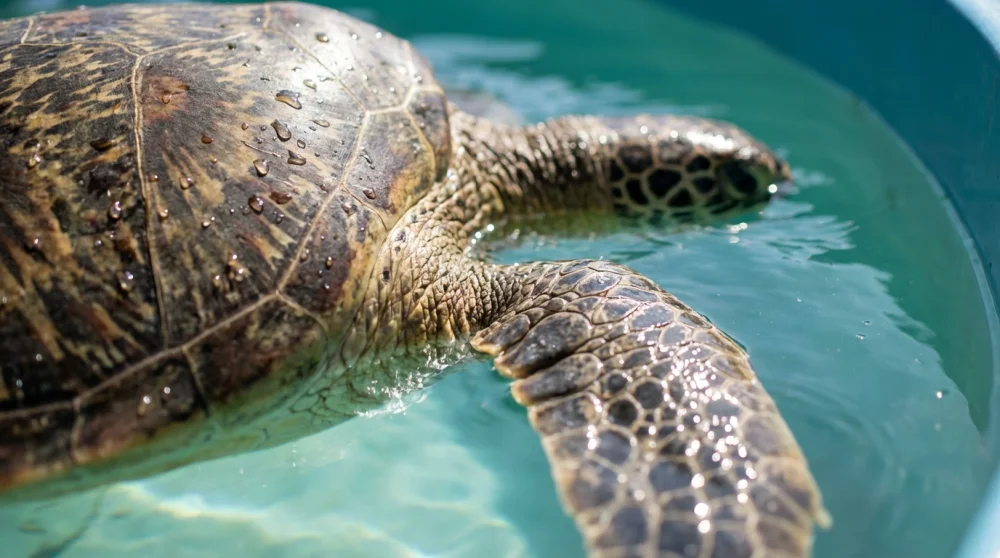
Admission might feel slightly high for a small facility, but it is important to remember that 100% of your admission goes toward patient care. The center receives no state or federal operational funding; they rely on your tickets and gift shop purchases to buy medicine and food for the turtles.
- Adults (13+): Approx. $12
- Children (4-12): Approx. $10
- Children 3 and under: Free
Strategic Tips for Your Visit
The Rainy Day Rule: Jekyll Island is an outdoor destination. When it rains, everyone heads to the Sea Turtle Center because it is one of the few indoor attractions. If the forecast shows rain, try to arrive right when they open at 9:00 AM to beat the crowd, or visit on a sunny day when everyone else is at the beach.
Shop for a Cause: The gift shop here is widely considered the best on the island. It is not just cheap plastic souvenirs; they have high-quality, eco-friendly goods, local art, and great apparel. If you are looking for gifts, save your budget for this shop to support the hospital.
Behind the Scenes Tours: If you want more than the standard walk-through, book a Behind the Scenes tour. These require advance reservations and cost extra, but they take you into staff-only areas. During nesting season (summer), they also offer Turtle Walks and Sunrise Walks to potentially see hatchlings or nesting mothers, but these sell out weeks in advance.
Parking is Free: You do not need a special parking pass for the center (other than the island entry fee). Look for the green sea turtle logos painted on the road to guide you to the parking lot near the Historic District.
Accessibility: The entire facility, including the rehabilitation pavilion and restrooms, is ADA accessible and stroller-friendly, though the gallery can get tight when crowded.


![Telfair Museums Savannah Guide: Tickets, Hours & The Bird Girl [year]](https://www.rotasenin.com/uploads/2025/12/telfair-museums-savannah-exhibitions.webp)


![Disney’s Magic Kingdom Rides & Attractions: The Ultimate [year] Guide](https://www.rotasenin.com/uploads/2025/12/magic-kingdom-rides-attractions-tianas-bayou-adventure.webp)
Comments (0)
Sign in to comment
Report