Hitting the open road offers a unique sense of freedom that few other travel experiences can match. You control the playlist, the schedule and the route. However, a memorable adventure requires more than just throwing a bag in the trunk and driving off. Without proper preparation, minor inconveniences, like a flat tire in a dead zone or locking your keys in the car, can turn into major headaches.
You need a solid plan to handle everything from mechanical issues to driver fatigue. This guide covers the essential steps, refined by expert travelers, to ensure your journey remains safe, enjoyable and trouble-free from start to finish.
Smart Route Planning: Beyond Google Maps
GPS navigation is a lifesaver, but relying solely on real-time data is a rookie mistake. Technology fails, batteries die and signals disappear in remote areas. Start by visualizing your entire route on a larger scale.
- Download Offline Maps: Before you leave Wi-Fi range, download Google Maps areas for your entire route. This is non-negotiable for mountain passes and rural stretches.
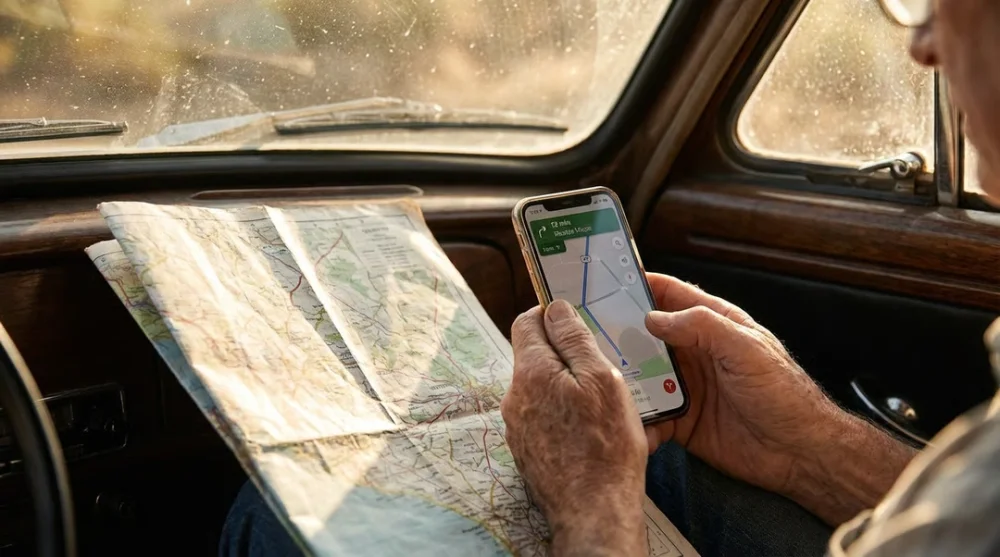
- Identify Gas Deserts: Look for long stretches on the map without services. If you are driving through places like the American West, plan your fill-ups so you never drop below a quarter tank in these zones.
- Time Your Departure: Leaving just one hour earlier can save you from sitting in gridlock at city limits. Check typical traffic patterns before setting your alarm.
For complex journeys, understanding the scale of the regions you are crossing is vital. Checking resources like us states by size area gives you a realistic perspective on how long each leg will actually take. Also, be aware of states with two time zones to avoid missing check-in windows.
Vehicle Pre-Check: The TOWER Method
Mechanical breakdowns are the most common cause of road trip disasters. Perform a pre-trip inspection using the TOWER method at least a week before you leave.
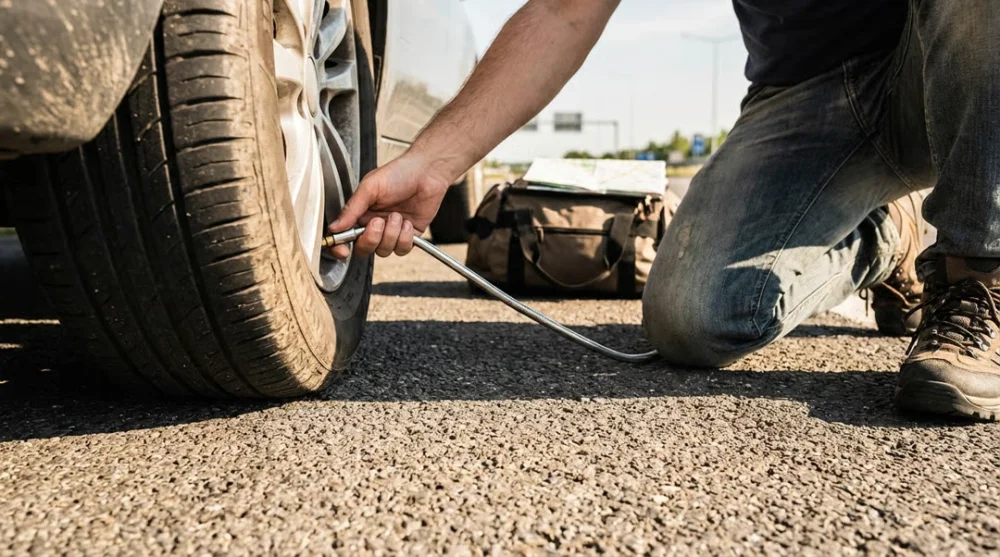
- Tires: Check pressure when tires are cold for accuracy. Don't forget the spare tire, it is useless if it's flat or buried under 50 pounds of luggage.
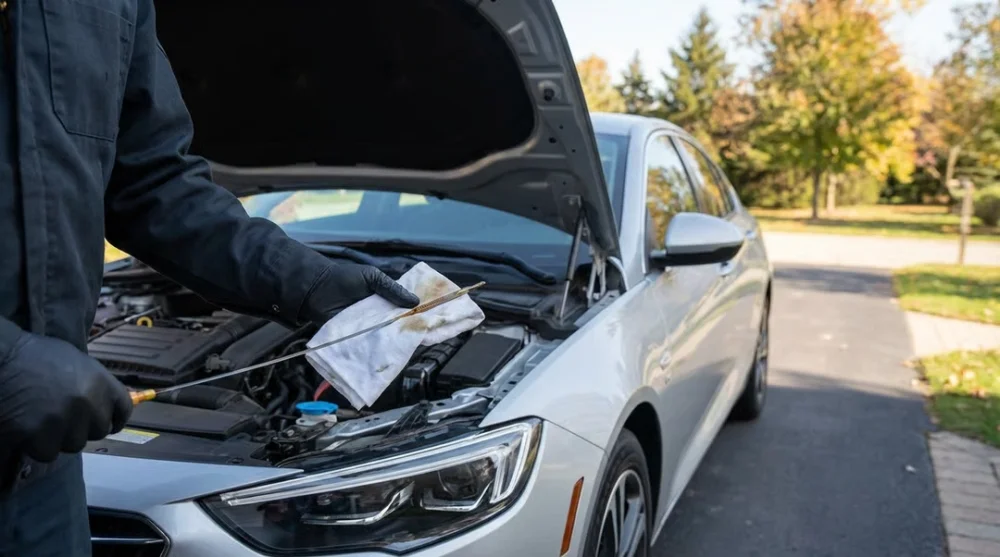
- Oil & Fluids: Top up engine oil, coolant and brake fluid. Crucially, fill your windshield washer fluid. Running out on a buggy highway is dangerous.
- Windows & Wipers: Replace streaky wiper blades immediately. Clean your windshield inside and out. A dirty inside surface causes blinding glare when driving into the sunset.
- Engine & Battery: Listen for strange noises and check battery health.
- Roadside Assistance: Ensure your membership is active and save the emergency numbers.
The Ultimate Packing List for Long Drives
Packing for a road trip balances comfort with utility. You want easy access to essentials without cluttering the car.
Driver’s Essentials:
- Documents: Keep physical copies of your license, registration and insurance. If your phone dies, digital copies won't help you explain things to an officer.
- Spare Car Key: This is a pro tip that saves vacations. Give a spare key to a travel companion or keep it in a separate bag. Locking your only set in the car in the middle of nowhere is a disaster you can easily avoid.
- Polarized Sunglasses: Eye fatigue is real. Polarized lenses cut through the glare from the road and other cars, keeping you fresher for longer.
Organization & Comfort:
- Trash Bags: Keeping the car tidy lowers stress levels. Have a designated spot for trash and empty it at every gas stop.
- Tech: Pack portable power banks. Don't rely solely on the car's USB port, especially if you are using your phone for navigation and music simultaneously. Knowing how to force restart iphone is also a handy skill if your device freezes mid-navigation.
Staying Safe & Alert on the Road
Driver fatigue is a silent danger. The monotony of the highway lowers reaction times. Implement the 2-hour rule: stop every two hours for at least 15 minutes. This isn't just about stretching; it resets your focus.
Night Driving: Visibility drops and wildlife becomes more active at night. If possible, reach your destination before dark. If you must drive, dim your dashboard lights to reduce eye strain.
Driving Conditions: Some routes are more demanding than others. Crossing engineering marvels like the Florida Keys bridges overseas highway offers stunning views but requires constant attention. Always adjust your driving style to the environment.
Budgeting Tips: Gas, Food & Hidden Costs
Fuel and food are your biggest variable costs. Here is how to keep them under control:
- Use Gas Apps: Apps like GasBuddy help you find the cheapest fuel nearby. Saving 20 cents a gallon adds up significantly over a long trip.
- Carry Cash: While cards work almost everywhere, you will inevitably find a rural toll booth or a classic diner that only accepts cash.
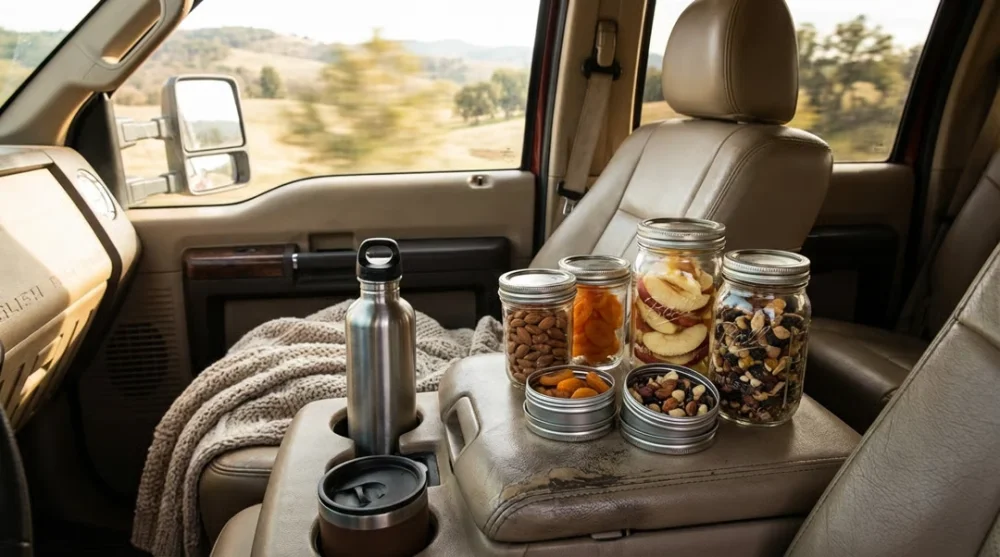
- Grocery Stores over Fast Food: Buy breakfast items and sandwich ingredients at grocery stores. Save your dining-out budget for a nice dinner rather than overpriced gas station snacks.
- Loyalty Cards: If you have memberships for hotels or grocery chains, bring them along for potential discounts.
To further optimize your travel budget and planning, exploring our general travel tips section offers more in-depth strategies.
Emergency Preparedness
Hope for the best, but pack for the worst. Your trunk should house a real emergency kit:
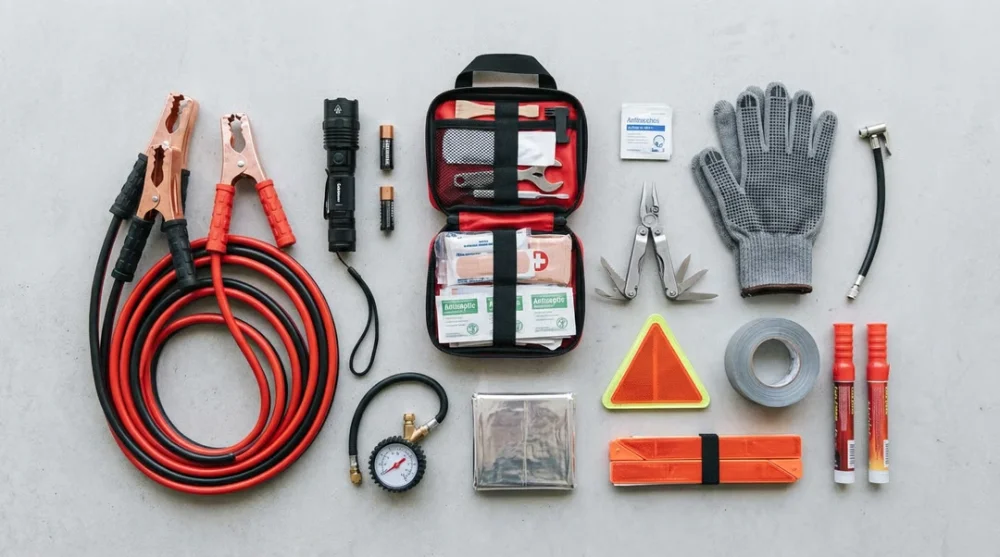
- Jumper cables (or a portable jump starter).
- A tire inflator and pressure gauge.
- A flashlight with extra batteries.
- Basic tools (screwdriver, pliers, duct tape).
- First Aid: Customize it with painkillers, allergy meds and personal prescriptions.
Taking care of yourself and your vehicle guarantees that the journey becomes as memorable as the destination. With this level of preparation, you transform potential stress into an unforgettable adventure. Rest well, drive safe and enjoy every mile.





Comments (0)
Sign in to comment
Report