Timing is everything when it comes to booking a vacation. You might be looking at the exact same room, the same flight, and the same buffet, but the price you pay can vary by 40% depending on when you click that book button. The old advice of waiting for a last-minute miracle or booking a year in advance is often too vague to be useful. We have analyzed the booking windows and seasonal trends to help you save your budget for what really matters, like that extra excursion or spa treatment.
Quick Strategy: The Sweet Spot
For most travelers, the absolute best time to book an all-inclusive resort is 3 to 6 months in advance. This window strikes the perfect balance between availability and competitive pricing. If you are planning a winter getaway to a tropical destination, start tracking prices in late summer. For summer trips to Europe, January is often your best friend.
The Prime Booking Window: How Far in Advance Should You Book?
Finding the cheapest rate is about understanding the hotel's risk management. They want to fill rooms early enough to cover costs but keep enough inventory to sell at premium prices later.

The 3-6 Month Rule
Data consistently shows that booking 3 to 6 months before your departure date offers the most stable low prices. During this period, resorts are actively trying to build their base occupancy. They release early bird specials and aggressive discounts to secure bookings on their calendar. If you book earlier than 6 months, you are often paying the standard rack rate because the revenue managers haven't felt the pressure to discount yet.
Is Last Minute Still a Thing
The concept of a last-minute steal has changed. While you can still find price drops 2 to 4 weeks before travel, the selection is usually poor. The best resorts with the highest ratings often sell out months in advance. Relying on last-minute deals is a gamble that works best if you are completely flexible with your destination and dates. If you have your heart set on a specific hotel in Punta Cana or Antalya, waiting is a risk that rarely pays off in the modern algorithmic pricing era.
Cheapest Months by Destination (Seasonality Guide)
Price drops are almost always dictated by the weather and school calendars. Traveling during the shoulder season, the period between peak and off-peak, is the single most effective way to slash your bill.
Caribbean & Mexico
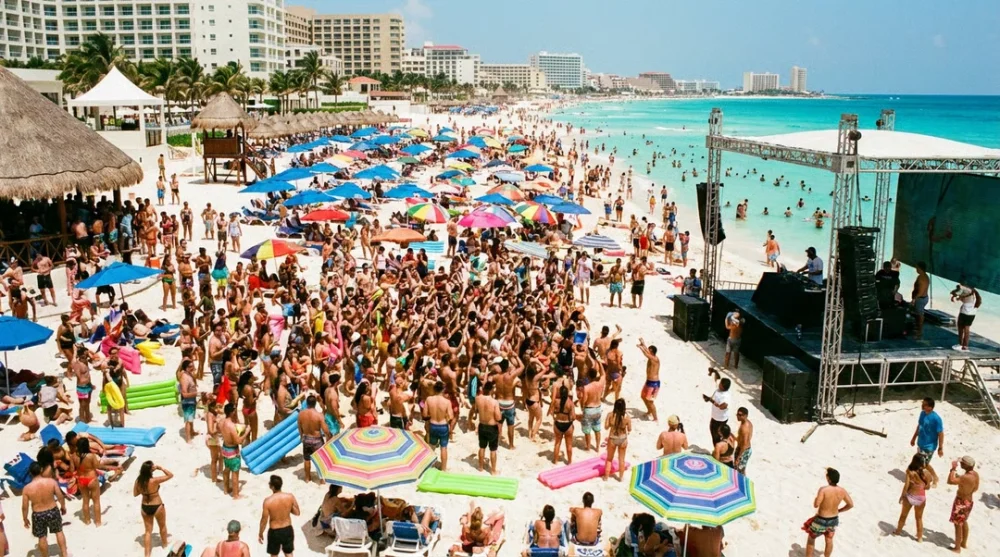
The absolute lowest prices for Mexico and the Caribbean are found in September and October. This is the peak of the hurricane season. While this sounds scary, modern resorts are well-equipped, and the statistical chance of a direct hit during your specific week is low. If you are willing to risk a few rainy afternoons, you can stay at luxury 5-star properties for the price of a 3-star. May and early June are also excellent alternatives with better weather and significantly lower prices than the winter months.
Europe (Mediterranean)
For destinations like Turkey, Greece, and Spain, the prices skyrocket in July and August. To get the full all-inclusive experience without the crowds and the high price tag, aim for May or October. The weather is still warm enough for swimming, the staff is less stressed, and the prices are often 30-40% lower than the summer peak.

Maldives & Asia
The Maldives has distinct wet and dry seasons. The prices drop drastically from May to November during the monsoon season. Rain showers in the Maldives are typically intense but short-lived, leaving plenty of sunshine for the rest of the day. Booking a water villa during this period can save you thousands of dollars compared to a December or January trip.

Days of the Week Matter: When to Click Buy
There is a long-standing myth that booking on a Tuesday at midnight saves you money. While airline algorithms have become more complex, hotel pricing still follows weekly patterns.
Mid-week bookings, specifically on Tuesday or Wednesday, tend to show slightly lower inventory rates than weekends. Leisure travelers typically browse and book on Saturdays and Sundays, driving up demand signals. By shopping when everyone else is at work, you encounter less competition for the same inventory slots.
More importantly, your departure day matters more than your booking day. Flying on a Tuesday or Wednesday is almost universally cheaper than flying on a Friday or Sunday. Since flights are a massive chunk of an all-inclusive package, shifting your trip dates by 24 hours can result in instant savings.
Dynamic Pricing & Browser Cookies: Are They Watching You?
You have probably noticed that after searching for a hotel a few times, the price suddenly jumps. This is dynamic pricing in action. Travel websites track your interest via cookies and may create a sense of urgency by showing higher rates.
Always browse in Incognito or Private mode when comparing prices. This prevents the booking engine from seeing your search history. For an extra layer of savings, check prices using a VPN set to a different country. Sometimes, the point of sale affects the final price quoted by major travel aggregators.
Top Tips to Lock in the Lowest Rate
Beyond timing, there are structural ways to ensure you pay the least amount possible.
Utilize Free Cancellation
The smartest travelers book a refundable rate the moment they see a price they are comfortable with. This locks in your room. After that, set a calendar reminder to check the price every few weeks. If the price drops, you can simply cancel and re-book at the lower rate. If the price goes up, you are already protected. This strategy removes the stress of wondering if you should wait.
Bundle Your Flight and Hotel
While DIY travel is popular, all-inclusive resorts often have exclusive contracts with tour operators. Packaging your flight, transfer, and hotel together can unlock opaque rates that are not available to the public when booking separately. Always compare the total cost of a package against the sum of individual bookings. Often, the package deal wins by a significant margin.
![Orca Whale Watching in Washington: The Ultimate [year] Guide (Seattle & San Juan Islands)](https://www.rotasenin.com/uploads/2026/01/washington-best-time-to-see-orca-whale-watching.webp)
![Museumplein Amsterdam: Things to Do, Museums & Events ([year])](https://www.rotasenin.com/uploads/2026/01/museumplein-amsterdam-three-museums.webp)



Comments (0)
Sign in to comment
Report