Forget the glossy brochures for a second. While the Florida Keys offer some of the most spectacular underwater views in North America, not every spot is accessible from the beach. In fact, the most vibrant coral reefs sit a few miles offshore, requiring a boat. However, if you are on a budget or just want a quick dip, excellent shore snorkeling spots do exist if you know exactly where to park and swim.
This roadmap helps you decide between a low-cost shore excursion or a full-day boat adventure, breaking down parking details, water clarity, and exactly what marine life you meet face-to-face.
Things to Know Before You Dive In
Snorkeling here differs from the Caribbean. You deal with the Atlantic Ocean's mood, so timing and preparation dictate your experience.
The Jellyfish and Visibility Factor
Summer months offer the calmest, warmest water (85°F+), giving you that glass-like visibility. But this warm bath also attracts jellyfish and sea lice. Wearing a thin rash guard or a skin suit solves this problem instantly. Winter brings cooler water (around 70°F), so a 3mm wetsuit becomes necessary for comfort.
Shore vs. Boat: The Real Difference
If you stick to the shore, you mostly see sea grass, sponges, mangrove roots, and smaller tropical fish. It is free or cheap (state park fees), but you won't see the massive coral structures found on postcards.
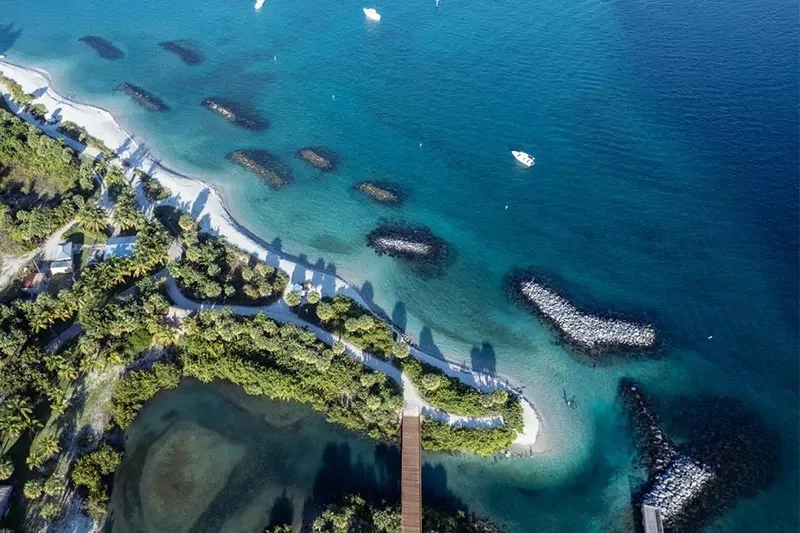
To see the real Florida Reef (the third largest barrier reef in the world), you need a boat. Tours run daily, but they require advance booking and usually take 3-4 hours of your day.
Best Shore Snorkeling Spots (Budget-Friendly)
You don't need a boat captain to see marine life. These spots allow you to drive up, park, and jump in.
Fort Zachary Taylor State Park (Key West)
Located at the very end of Key West, this park offers the best shore snorkeling in the Lower Keys. Unlike the sandy stretches elsewhere, the bottom here is rocky, which corals love. You find plenty of parrotfish, yellowtail snapper, and schools of blue tangs right off the breakwater.
- Pro Tip: The beach consists of crushed coral, not soft sand. You absolutely need water shoes to walk comfortably.
- Logistics: You pay an entrance fee at the gate. Parking fills up by noon, so you should arrive early.
- Best Spot: Swim along the rock piles (breakwaters) on the left side of the beach for the highest fish concentration.
Bahia Honda State Park (Big Pine Key)
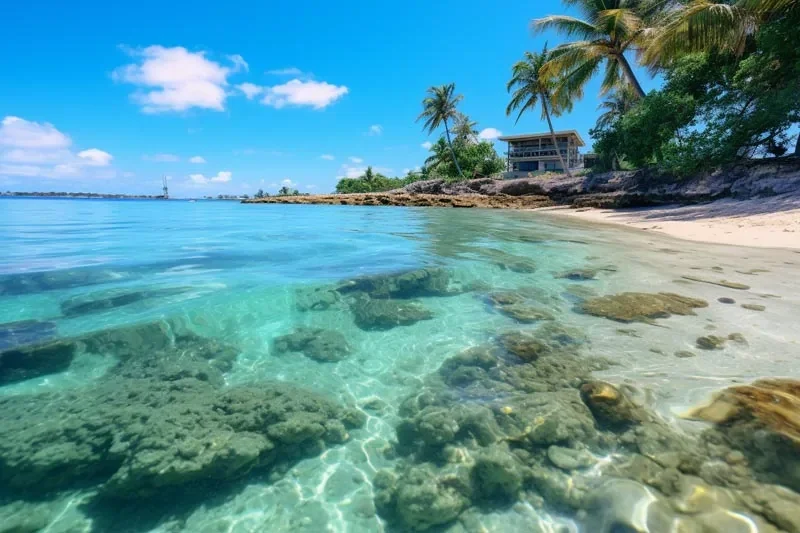
Bahia Honda gives you shallow, beginner-friendly waters. You have two main beach options: Sandspur Beach (ocean side) and Calusa Beach (bayside). The water depth stays manageable (3-5 feet), making it perfect for kids or nervous swimmers.
- Caution: Currents get strong near the channels. You must stay within the designated swimming zones.
- Marine Life: Expect to see soft corals, sea stars, and occasional rays cruising the seagrass beds.
- Facilities: You find full shower and changing facilities here, making it easy to rinse off the salt before heading to dinner.
Cannon Beach at John Pennekamp (Key Largo)
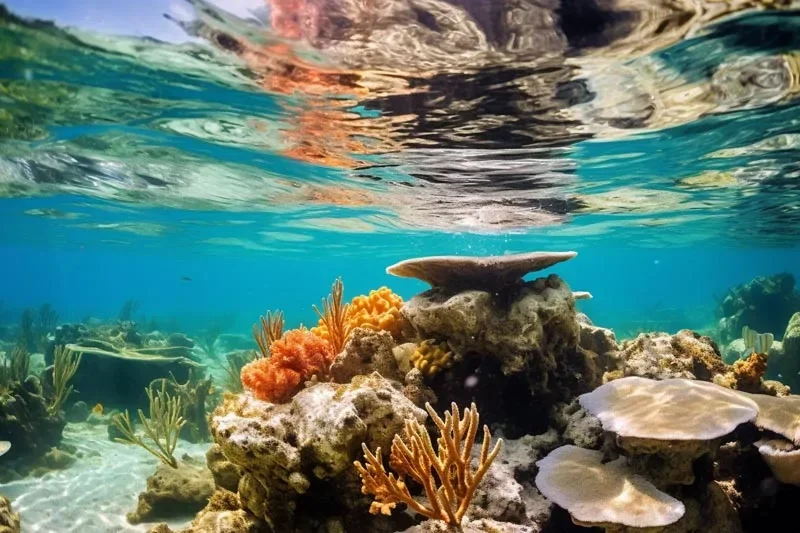
This is the most famous spot for a reason: history. You snorkel over authentic 18th-century cannons and an anchor replica sitting in about 10 feet of water. It sits inside the John Pennekamp Coral Reef State Park.
- Visibility: Since it is inside a bay, visibility is lower than offshore reefs due to sediment.
- The Experience: You essentially swim in an underwater museum. It serves as a great warm-up dive before you book a boat tour to the outer reefs.
Top Boat-Accessible Reefs (The Full Experience)
If you want to see the vibrant, living reef system, you book a boat. These locations sit 3 to 6 miles offshore.
Sombrero Reef (Marathon)
Many locals consider this the premier snorkeling spot in the Middle Keys. Marked by the massive Sombrero Key Light tower, this spur-and-groove reef system ranges from 5 to 35 feet deep.
- Why It Wins: The variation in depth suits everyone. Snorkelers stay shallow, while freedivers explore the deeper canyons.
- Marine Life: You swim alongside nurse sharks (harmless), sea turtles, and massive schools of grunts. The coral health here looks significantly better than spots closer to the mainland.
- Access: Boats depart primarily from Marathon. You should check weather reports; if the wind picks up, the ride out gets choppy.
Molasses Reef (Key Largo)
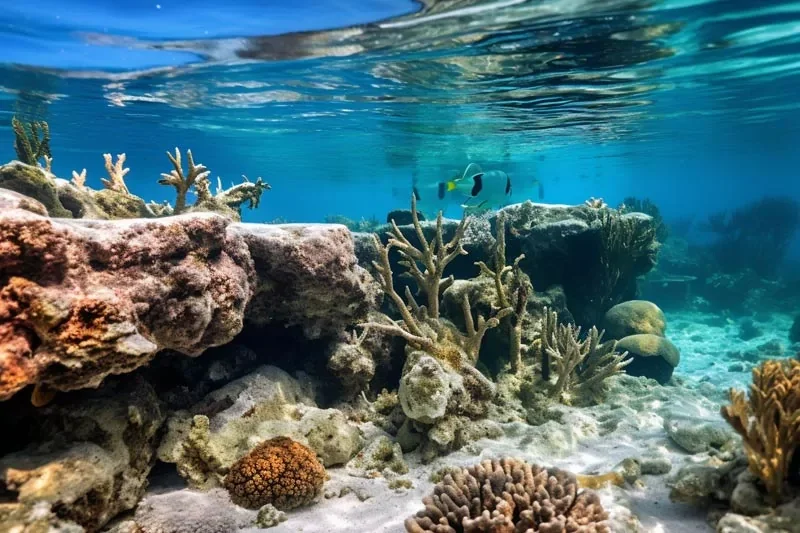
Located within the Florida Keys National Marine Sanctuary, Molasses Reef is famous for its incredible water clarity. The Gulf Stream currents flush this area constantly, keeping the water crystal clear.
- The Crowd: It gets busy. Commercial catamarans drop huge groups here. If you possess your own boat or hire a private charter, you should aim for the early morning mooring balls to beat the rush.
- Wildlife: This is the place to see larger creatures like reef sharks, spotted eagle rays, and moray eels hiding in the coral crevices.
Dry Tortugas National Park
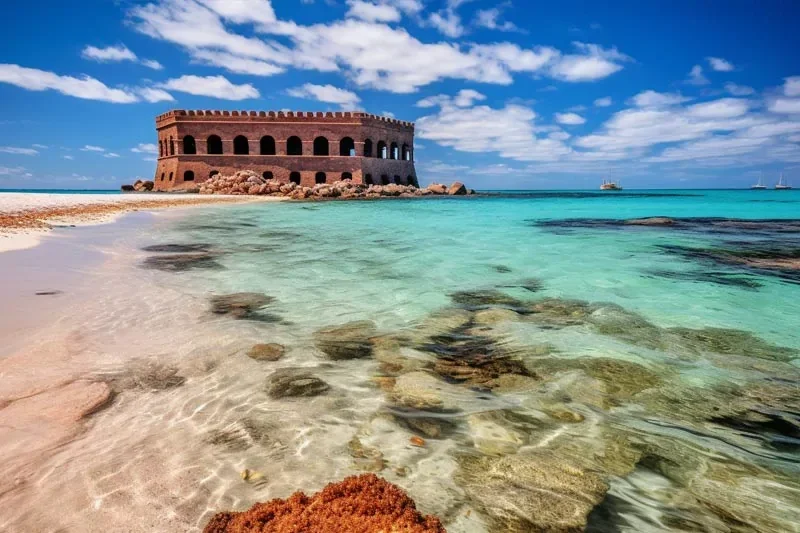
This requires a full-day commitment. Located almost 70 miles west of Key West, you reach it only by the Yankee Freedom ferry or a seaplane.
- The Reward: You snorkel along the moat wall of historic Fort Jefferson and the adjacent pilings.
- The Environment: Because it is so remote, the coral remains pristine. You see huge conch shells, vibrant brain corals, and a density of fish life simply not found in Key West proper.
- Cost: This is the most expensive option due to the ferry ticket, but it includes breakfast, lunch, and park entry.
Looe Key Reef (Big Pine Key)
Not actually an island (Key), but a submerged reef. Looe Key enjoys strict protection as a Sanctuary Preservation Area, meaning no fishing is allowed. Consequently, the fish here grow large and show little fear of humans.
- Depth: The reef crests very close to the surface, sometimes just awash at low tide, making it incredibly easy for snorkelers to see details without diving down.
- Highlights: You often spot the intimidating-looking but docile Goliath Grouper hanging out under the boat ledges.
Essential Gear for the Keys
You can rent gear at almost every dive shop, but owning a few key items improves your experience significantly.
- Mask Defogger: The humid Florida air makes masks fog up instantly. Spitting works, but a commercial gel works better.
- Reef-Safe Sunscreen: Oxybenzone-free sunscreen is not just a suggestion; it is essential for reef health. Many captains strictly forbid non-compliant brands on board.
- Flag: If you snorkel from a private boat or kayak (not a tour), Florida law requires you to display a Diver Down flag. Fines for missing flags are steep.
Local Food Stops After Snorkeling
Saltwater makes you hungry. Here is where you grab a bite without needing to dress up.
- Key Largo: Stop by The Fish House for fresh catch prepared Matecumbe style (topped with tomatoes and basil).
- Marathon: Burdines Waterfront offers excellent fries and a casual atmosphere right on the marina.
- Key West: Garbo’s Grill is a food truck that serves amazing fish tacos, perfect for a quick, post-beach refuel.

![Bahamas Hurricane Season: Travel Safety & Risk Guide [year]](https://www.rotasenin.com/uploads/2025/12/hurricane-season-bahamas-traveling-during-storm-season.webp)
![Vatican Museums Guide: Tickets, Entrance & Tips [year]](https://www.rotasenin.com/uploads/2025/12/vatican-museums-where-to-go.webp)
![Camlica Tower Entrance Fee, Breakfast Prices & How to Get There [year]](https://www.rotasenin.com/uploads/2025/12/camlica-kulesi-giris-ucreti-seyir-terasi.webp)
Comments (0)
Sign in to comment
Report