You might think you have seen every side of Amsterdam after visiting the canals and the Red Light District, but the city hides a much deeper, scientific secret inside its academic hospital. Museum Vrolik is not your typical tourist attraction. It is a place of profound silence, respect, and biological fascination that challenges how you view the human body.
This is one of the largest anatomical collections in the world, tucked away in the Academic Medical Center (AMC). It does not offer the jump scares of a dungeon tour; instead, it presents a sober, educational look at human mutations, embryology, and the history of medicine. If you are ready for an experience that stays with you long after you leave, here is everything you need to know about visiting this unique spot in 2026.
- Location: Inside AMC Hospital, Building J0 (Meibergdreef 15)
- Suggested Duration: 1 to 1.5 hours
- Vibe: Quiet, clinical, respectful, cold (bring a jacket)
- Photography: Strictly forbidden
What Exactly is Museum Vrolik?
Museum Vrolik is an academic treasure trove that originated in the 18th and 19th centuries. It started as the private collection of Gerard Vrolik and his son Willem Vrolik, both renowned professors of anatomy. They were obsessed with understanding nature, not just in its perfection, but in its deviations.
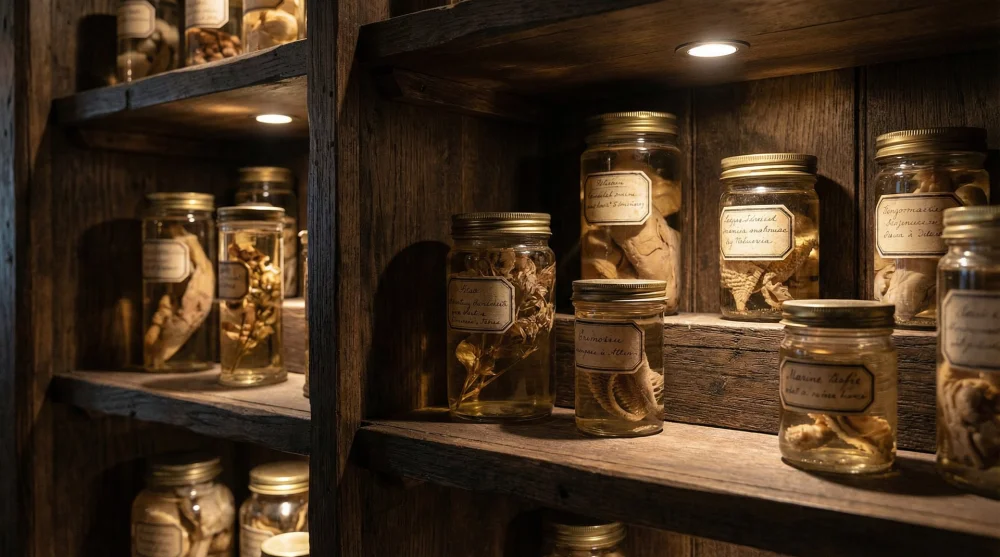
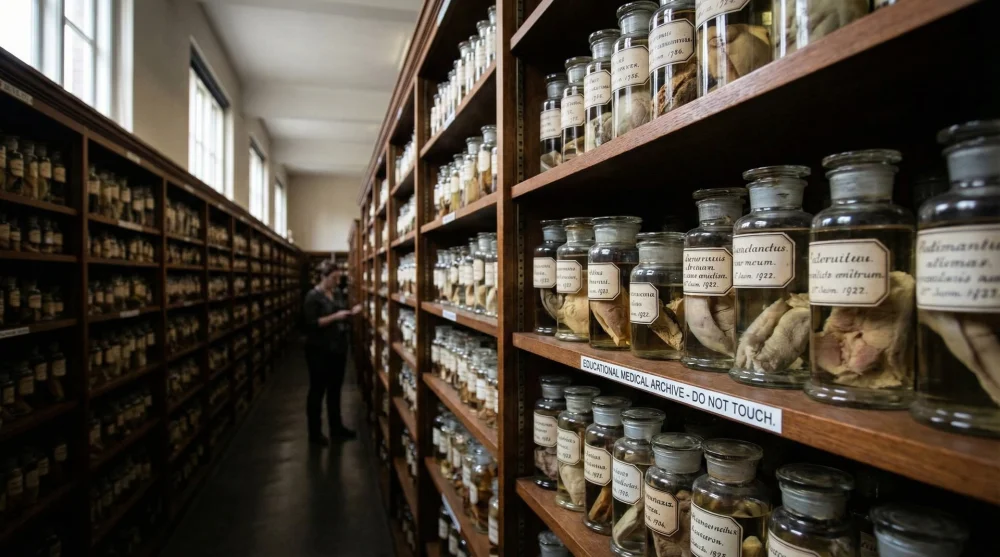
Unlike modern museums that often rely on interactive screens, this place focuses entirely on the specimens themselves. You enter a large, dimly lit hall filled with floor-to-ceiling cabinets. Inside these cabinets, you find thousands of jars containing human and animal specimens, skeletons, and skulls. The focus here is on teratology, the study of congenital abnormalities. This means you will see examples of cyclopia, conjoined twins, and other developmental conditions that were collected to help doctors understand how the human body grows and develops.
The Collection: What You Will See Inside
The sheer volume of the collection can be overwhelming when you first walk in. The museum houses over 2,000 specimens on display. Here are a few sections you should pay attention to during your visit:
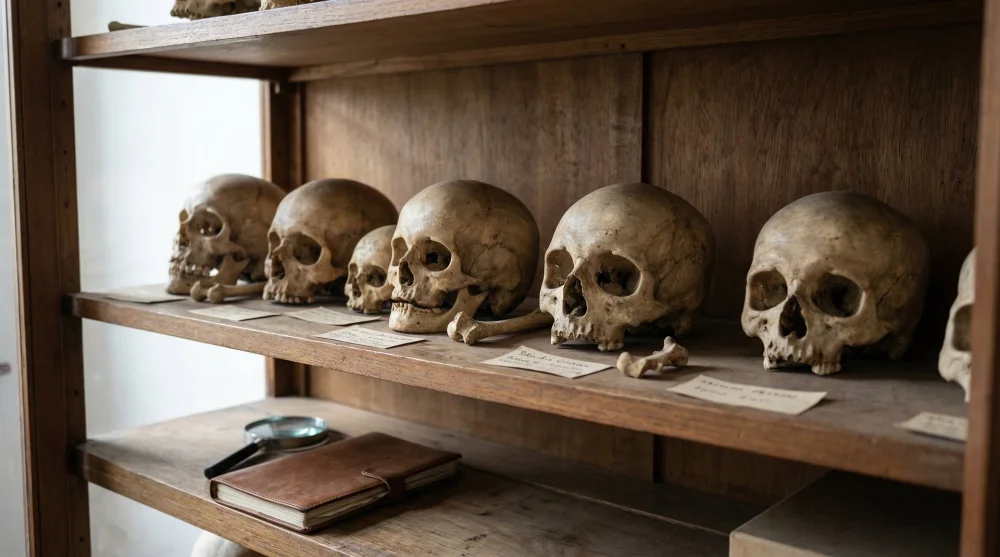
The Wall of Skulls: One of the most striking features is the extensive collection of skulls. This is not just for display; it was used to study the diversity of human head shapes. You will also spot the Hovius Cabinet, an 18th-century collection dedicated to bone diseases. It shows how conditions like rickets or syphilis deformed the skeletal structure in an era before modern medicine.
Congenital Malformations: This is the part that draws the most attention but requires the most respect. Willem Vrolik was a pioneer in studying deformities. The collection includes perfectly preserved wet specimens of Siamese twins (conjoined twins), fetuses with mermaid syndrome (sirenomelia), and other rare conditions. Seeing these allows you to appreciate the complexity of biological development.
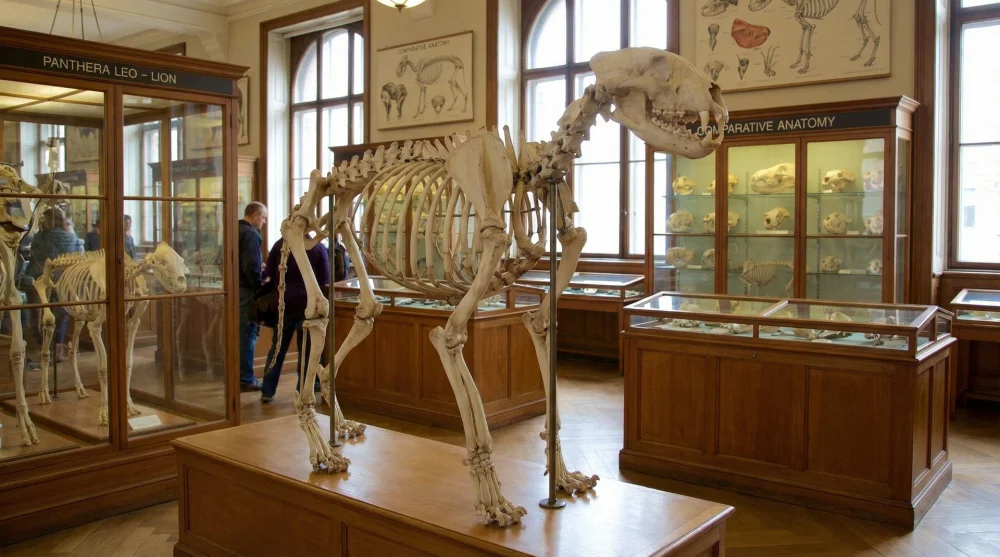
Animal Anatomy: It is not just about humans. The Vroliks were also interested in comparative anatomy. You will find the skeleton of a lion that once belonged to King Louis Napoleon, alongside skeletons of monkeys, dolphins, and other mammals. Comparing these directly with human skeletons reveals fascinating similarities in bone structure.
Important Rules & Atmosphere (Read Before You Go)
This is a critical section because Museum Vrolik operates differently from other museums in Amsterdam.
Absolute Photography Ban: You cannot take photos or videos inside. This rule is strictly enforced to show respect for the human remains on display. These were real people, and the museum prioritizes their dignity over social media posts. Put your phone away and just experience the moment.
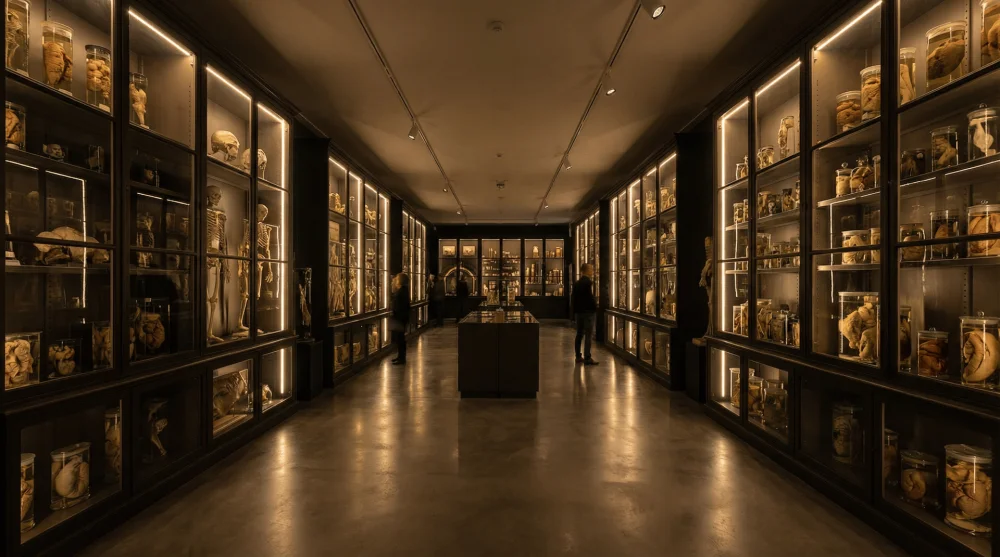
Keep it Quiet: The museum is located within a functioning hospital complex. The atmosphere inside is library-like. Loud conversations or laughing are considered inappropriate given the nature of the exhibits.
It Gets Cold: To preserve the specimens, the room temperature is kept lower than average. If you are visiting in summer with a t-shirt, you might get chilly after 20 minutes. Bringing a light layer or a hoodie is a smart move.
Entrance Fees & Tickets 2026
You do not need to stress about booking weeks in advance here. Unlike the Van Gogh Museum, Museum Vrolik is rarely overcrowded. You can simply buy your tickets at the reception desk when you arrive.
- Adults: €11
- Students: €7 (Must show valid ID)
- Children (0-12): Not recommended due to the graphic nature of the content, but entry rules vary.
- AMC Staff/Patients: Free entry
Payment is card-only in most cases, so have your debit or credit card ready.
How to Get There (Don't Get Lost in the Hospital)
Finding the museum is the hardest part of the experience because it is hidden inside the massive Amsterdam UMC (location AMC) complex. It is located in Amsterdam Zuidoost, not the city center.
Step 1: The Metro: Take Metro 54 (direction Gein) from Amsterdam Central Station or Amstel Station. Get off at the Holendrecht stop. The ride takes about 20-25 minutes from the center.
Step 2: The Walk: From the station, walk towards the AMC hospital main entrance. Do not go to the main hospital reception where patients check in. Instead, look for signs pointing to Building J (J0).
Step 3: Inside the Building: Once you enter the correct wing, navigate towards the Faculty of Medicine area. You will likely pass through long glass corridors. Keep an eye out for small yellow or white signs reading Museum Vrolik. It is located on the ground floor of building J0. If you get confused, ask a student or security guard for the "Anatomy Museum," and they will point you in the right direction.
Pro Tip: Combine Your Visit
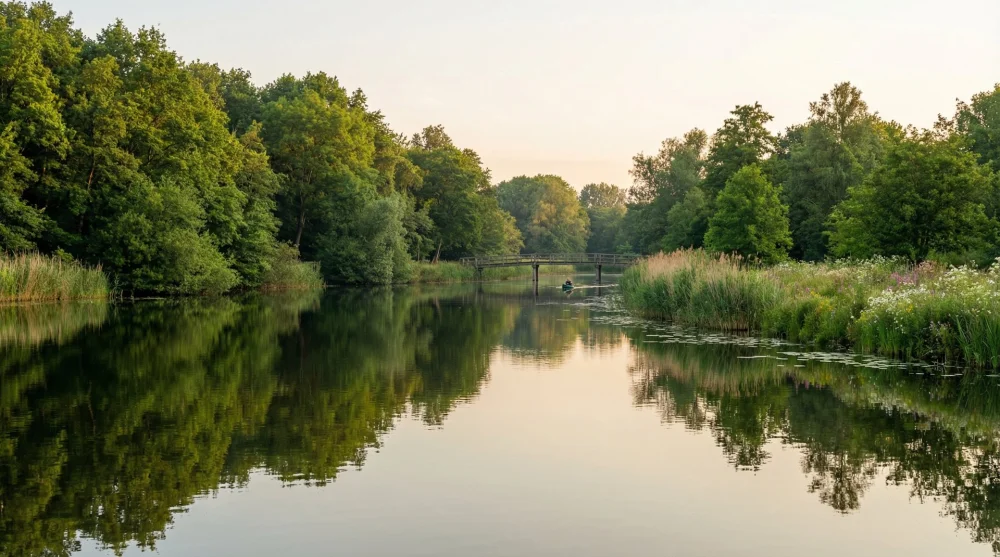
Since you are already making the trip to Amsterdam Zuidoost, you can balance the heavy scientific atmosphere with some fresh air. The Gaasperplas park is just one metro stop away (station Gaasperplas). It is a huge, peaceful green space with a lake, perfect for processing what you just saw and grabbing a breath of fresh air before heading back to the busy city center.
Museum Vrolik offers a rare glimpse into the fragility and complexity of life. It is not for everyone, but if you have a stomach for biology and a curiosity about medical history, it is arguably one of the most compelling places you can visit in the Netherlands.

![Seychelles Trip Cost: Detailed Budget Breakdown [year]](https://www.rotasenin.com/uploads/2026/02/self-catering-guesthouse-tropical-garden-veranda.webp)

![Best Rides at Disney's Animal Kingdom: Ranked & Reviewed [year]](https://www.rotasenin.com/uploads/2026/02/avatar-flight-passage-banshee-ride.webp)
Comments (0)
Sign in to comment
Report