Rome wasn't built in a day, and honestly, you cannot see everything in just 24 hours. However, with the right strategy, four days is the perfect amount of time to capture the soul of this Eternal City. From the imposing shadow of the Colosseum to the ivy-clad streets of Trastevere, and from the sacred corridors of the Vatican to the best tiramisu spots, we have planned every detail for you step by step.
This itinerary is not just a checklist of tourist spots. It is an action plan designed to help you live like a local, save time, and minimize fatigue.
If you are ready, put on your most comfortable walking shoes; we are hitting the cobblestones of Rome for an unforgettable adventure.
Critical Pre-Trip Notes
Before we start, let's go over a few strategic details that should be in your bag before you leave. These tips directly affect the quality of your trip.
- Timing: Spring and autumn offer the most ideal atmosphere for walking. In summer, the heat radiating from the stone buildings can be overwhelming.
- Roma Pass: If you plan to visit many museums and use public transport frequently, evaluate this card. However, if you are going to walk everywhere and aim for fewer museums, buying individual tickets is often more economical.
- Water: Definitely carry a refillable bottle. In Rome, you will find fountains called Nasoni on almost every corner, constantly flowing with ice-cold, clean drinking water. There is no need to pay for water here.
- Preparation: Ensure your travel documents are up to date well in advance to avoid any last-minute stress.
Day 1: Journey to the Heart of Ancient Rome
On the first day, while your energy is high, we tackle the most iconic and walking-intensive historical area of Rome. We are starting at ground zero of history.
Morning: In the Footsteps of Gladiators at the Colosseum
We start the day early. To avoid those famous long lines in front of the Colosseum, you must buy your ticket online in advance. Standing before the massive structure of the arena with the first light of morning is mesmerizing. As you tour this structure where emperors and gladiators decided their fates before tens of thousands of spectators, you can capture the best photos before the crowds arrive.
Lunch Break: Local Flavors in Monti
After the Colosseum, we do not sit at the tourist trap restaurants right outside. Instead, we walk just 10 minutes to the Monti district. This area is full of art galleries, vintage shops, and trattorias where locals hang out. For lunch, experience a real Carbonara or Cacio e Pepe here.
Afternoon: Roman Forum and Palatine Hill
After recharging, we move to the Roman Forum, the administrative center of Ancient Rome. This is an open-air museum filled with the ruins of temples, basilicas, and senate buildings. Just above it lies Palatine Hill, the legendary place where Rome was founded. Looking at the Colosseum and the city from here helps you understand why emperors chose to build their palaces on this spot.
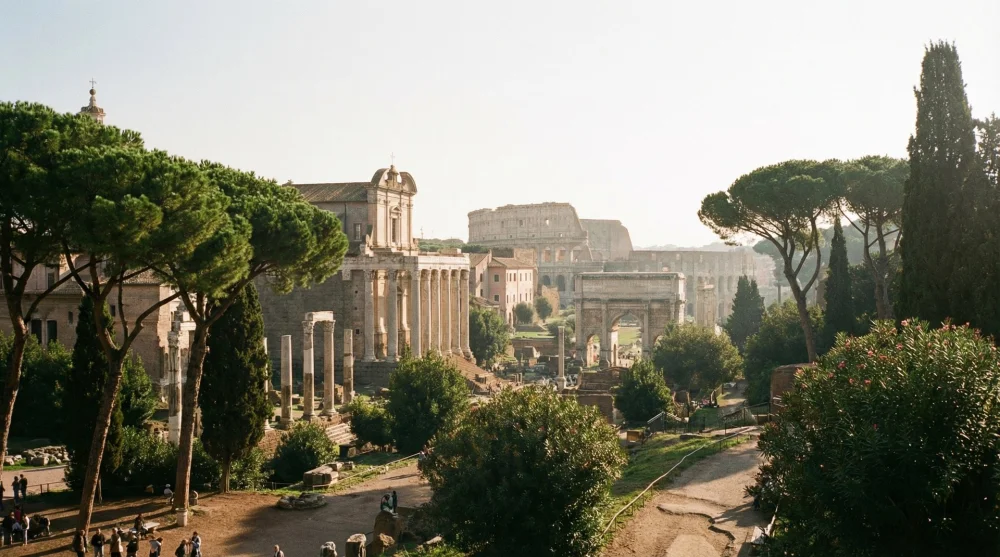
Evening: Altare della Patria and Sunset
Leaving the ancient ruins, we walk towards Piazza Venezia. You are greeted by the massive Vittorio Emanuele II Monument with its blinding white marble. Romans have nicknamed this structure the Wedding Cake. We climb to the terrace of the building to watch the sun set over the rooftops of Rome. Bid your first farewell to the city from this vantage point.
Day 2: Baroque Rome and City Icons
Today, we are right in the center of the map. We follow a delightful walking route connecting the most beautiful squares and fountains of the Renaissance and Baroque periods.
Early Morning: Trevi Fountain and Spanish Steps
This is crucial; get to the Trevi Fountain around 08:00 AM. Perform that famous coin-tossing ritual accompanied only by the sound of water, before the tourist groups take over.
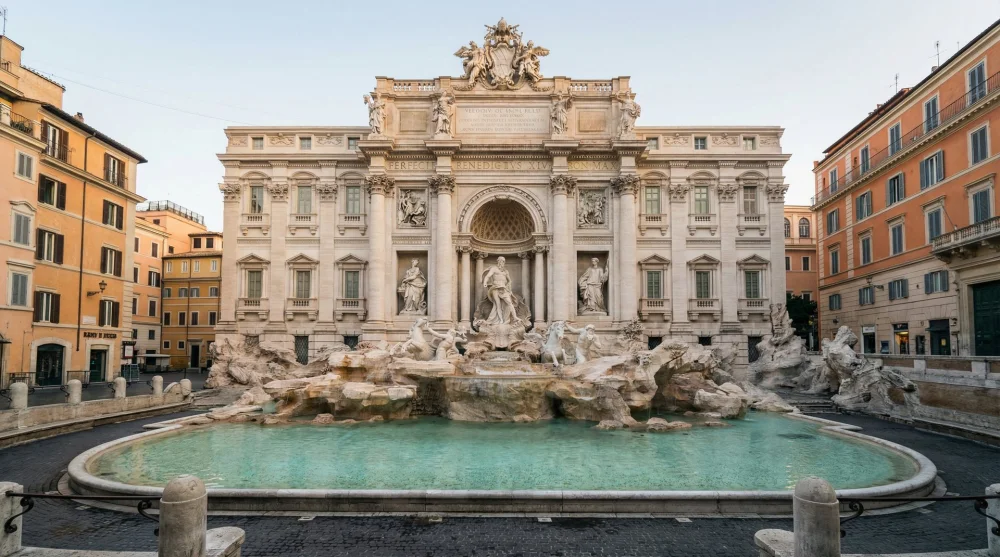
Then, passing through high-end boutiques, we reach the Spanish Steps. Sitting on the stairs is strictly prohibited now, but the view from the church at the top is still wonderful.
Stopover: The Magic of the Pantheon
With a short walk, we arrive at the Pantheon, one of the greatest masterpieces of architectural history. The hole in its dome, called the Oculus, is the building's only light source. When you enter, you will be amazed at how a structure dating back 2000 years still stands so solid and aesthetic.
Lunch: Break Near Navona
The area around the Pantheon is full of flavor stops. Grab a slice of pizza al taglio or some fresh pasta. For dessert, Pompi or Two Sizes, two of Rome's most famous tiramisu spots, are waiting for you in this area.
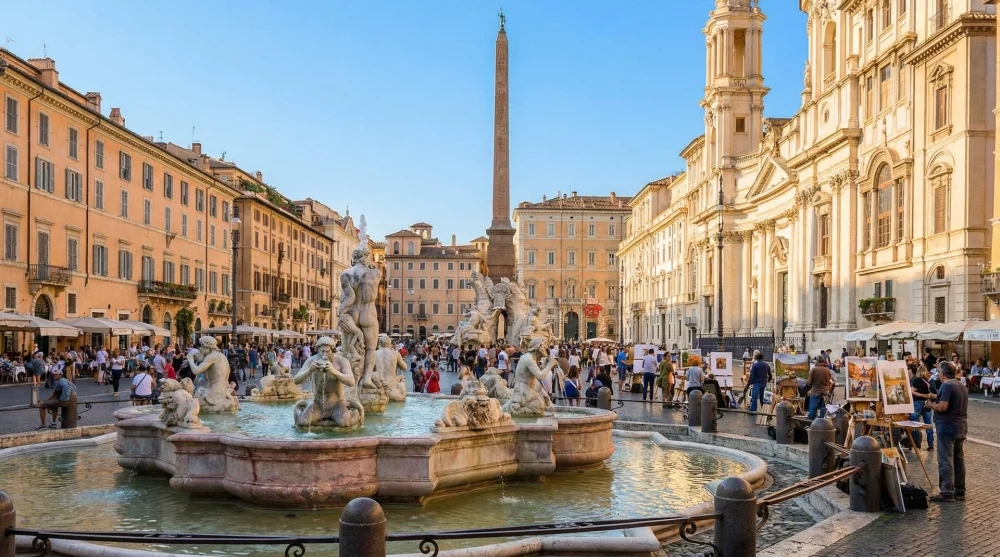
Afternoon: Piazza Navona
This is Rome's liveliest and most artistic square. We examine Bernini's Fountain of the Four Rivers. Watch the street performers and feel the energy of the square. If you plan to shop, the boutiques in this area offer great options, so remember to ask for tax-free forms if you are eligible.
Evening: Castel Sant'Angelo
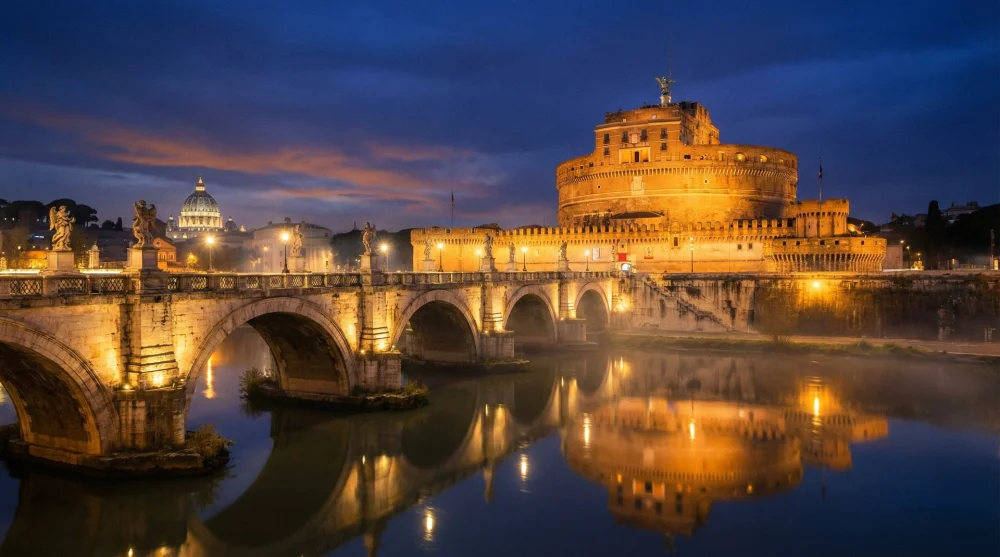
We head down from Navona to the banks of the Tiber River. Standing before us in all its glory is Castel Sant'Angelo. Once a refuge for popes, this castle and the bridge adorned with angels in front of it is a magnificent spot for photography in the evening lights.
Day 3: Sacred Borders and The Vatican
Today, we are technically changing countries. We are journeying to the Vatican, the smallest state in the world and the center of the Christian world.
Morning: Vatican Museums and Sistine Chapel
The Vatican Museums possess one of the richest art collections in the world. Early morning hours or late afternoon are the times when the crowd thins out slightly. Moving through the corridors, we finally reach Michelangelo's masterpiece, the Sistine Chapel. Be ready to examine the frescoes on the ceiling until your neck hurts.
Important Warning: Shoulders and knees must be covered when entering the Vatican. Choose your outfit accordingly to avoid being denied entry.
St. Peter's Basilica and The Dome
After the museums, the grandeur of St. Peter's Basilica welcomes you. Entrance to the inside is free, but you need to buy a ticket to climb the dome (Cupola). If you dare to climb the narrow stairs, the key-shaped view of St. Peter's Square rewards you at the top.
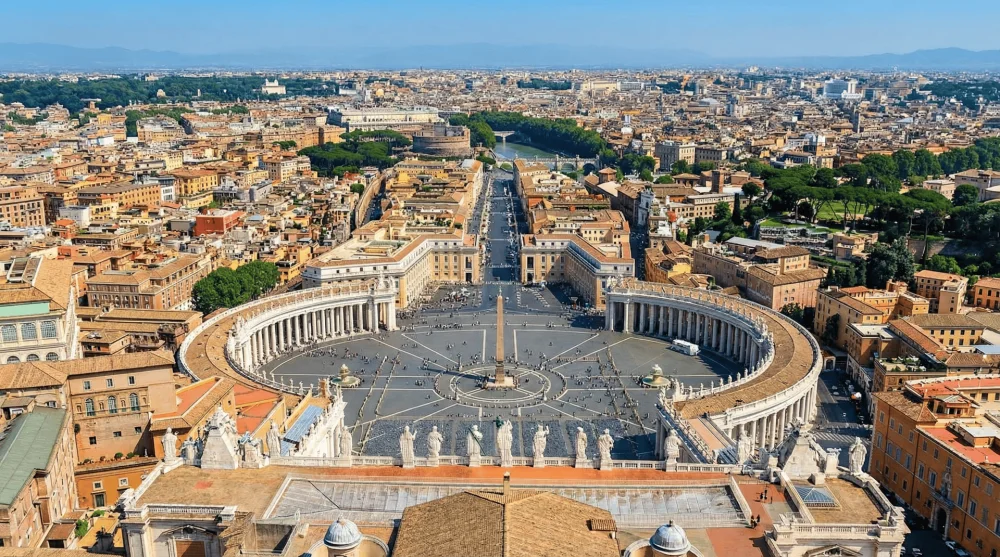
Afternoon: Prati District
Leaving the Vatican, we move away from the tourist traps to the Prati district. This is a more modern, chic area where Romans actually live. Via Cola di Rienzo, one of Rome's best shopping streets, is located here. It is a great place to relax and enjoy the local vibe after a day of history.
Day 4: Art, Nature, and Bohemian Streets
On our last day, we slow down the tempo a bit and enjoy the art and the bohemian side of the city.
Morning: Borghese Gallery and Villa Borghese
If you love Bernini sculptures, this place is a paradise for you. It is mandatory to make a reservation weeks in advance to enter the Borghese Gallery. After the museum tour, we take a walk in the heart-shaped Villa Borghese park, watch people rowing on the lake, or rent bicycles.
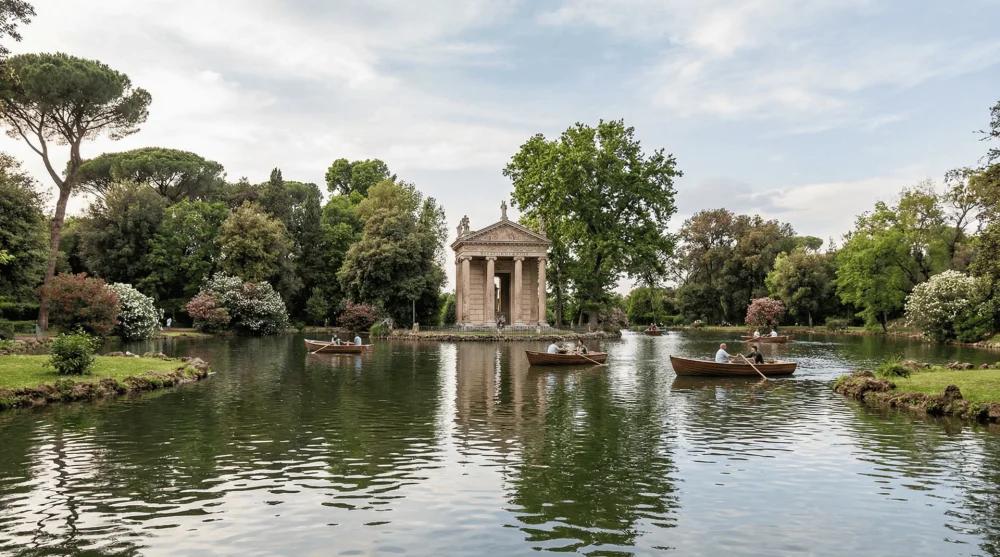
Afternoon: Trastevere
We cross to the other side of the river, to Trastevere, Rome's most bohemian neighborhood. This place is famous for its narrow streets, ivy-covered houses, and music rising from every corner. Get lost in the streets, enter small shops, and buy fresh focaccia from a local bakery.
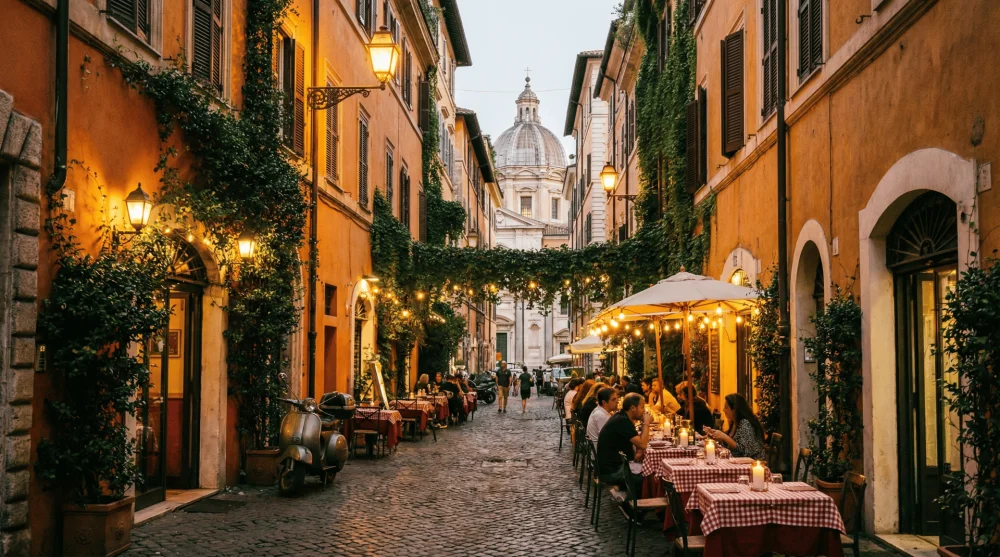
Closing: Gianicolo Hill
To end the day and these magnificent four days, we climb Gianicolo Hill, located just above Trastevere. This is one of the spots with the best city views, yet fewer tourists know about it. As the sun sets over the domes of Rome, we look down at the city and say Arrivederci.
Rome is a living museum that holds a different story in every street. With this four-day plan, you have not missed the main highlights, and you have also felt the spirit of La Dolce Vita in the city's backstreets.

![Seychelles Trip Cost: Detailed Budget Breakdown [year]](https://www.rotasenin.com/uploads/2026/02/self-catering-guesthouse-tropical-garden-veranda.webp)
![Best Rides at Disney's Animal Kingdom: Ranked & Reviewed [year]](https://www.rotasenin.com/uploads/2026/02/avatar-flight-passage-banshee-ride.webp)
Comments (0)
Sign in to comment
Report