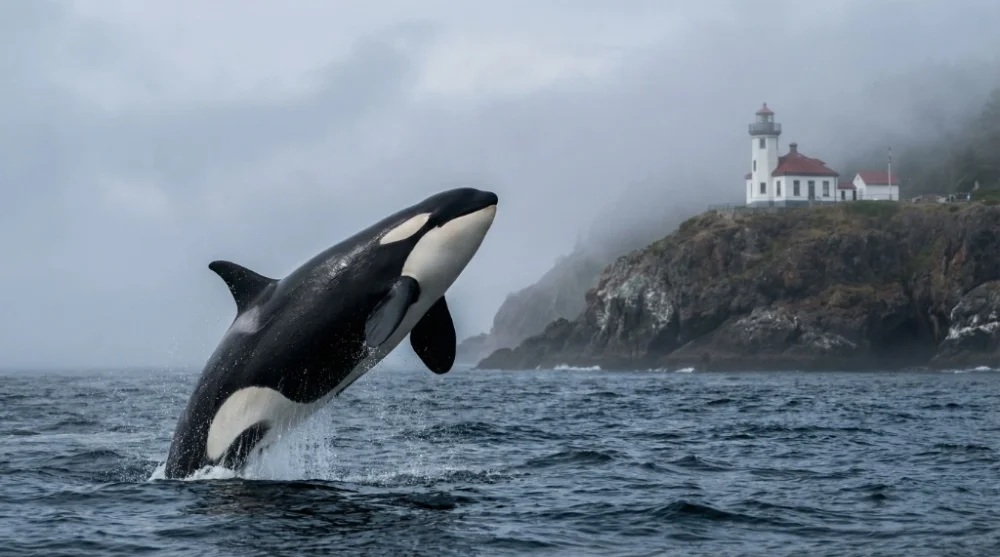
Washington State is arguably the best place in the continental United States to see wild orcas. While Alaska offers wilderness, the accessibility of the Salish Sea, specifically around the San Juan Islands, makes it unique. You aren't just looking for random splashing here; you are entering the home of the famous Southern Resident Killer Whales (J, K, and L pods) and the increasingly common Transient (Bigg's) killer whales.
Planning this trip requires some logistical strategy, especially regarding ferry schedules and choosing the right departure point. This guide covers everything from the difference between leaving from Seattle versus Anacortes to selecting the right vessel for your comfort level.
- Best Season: May through September (Peak sightings are July & August).
- Average Tour Cost: $115 - $165 per person.
- Top Location: San Juan Island (Friday Harbor) for proximity; Anacortes for convenience.
- Success Rate: Over 90% during peak season with reputable operators.
When is the Best Time to See Orcas?
Timing is everything. While orcas patrol these waters year-round, your chances of seeing them skyrocket when their food source is most abundant.
[img src="uploads/2026/01/washington-best-time-to-see-orca-whale-watching.webp"\]
Peak Season: May to September
This is the prime window. The Southern Resident orcas typically follow the salmon runs during these months. July and August are statistically the best months for sightings, but they are also the busiest. If you visit during this time, booking your tour and ferries weeks in advance is essential.
The Shoulder Season: March-April & October
This period is excellent for spotting Transient (Bigg's) orcas, which hunt marine mammals like seals and porpoises rather than fish. Tours are generally less crowded, and prices can be slightly lower. However, the weather is more unpredictable, and the water can be choppier.
Best Time of Day
Many travelers ask if morning or afternoon is better. In reality, whale activity is not dictated by the clock but by the tide and currents. However, morning tours often encounter calmer seas, which makes spotting whale spouts easier and reduces the risk of seasickness. Sunset tours offer incredible lighting for photography but can be windier.
[img src="uploads/2026/01/washington-orca-whale-watching-best-time.webp"\]
Where to Go: The Top 4 Locations Ranked
Choosing where to start your tour is the most critical decision you will make. It depends entirely on whether you have a car and how much time you want to spend on a boat.
1. San Juan Island (Friday Harbor)
This is the Mecca of whale watching in Washington. Friday Harbor puts you right in the middle of prime orca habitat. Because you are already in the whale zone, boats don't have to travel far to find the pods, leaving you more time to actually watch the whales.
[img src="uploads/2026/01/washington-orca-whale-watching-locations.webp"\]
Logistics Warning: To get here with a vehicle, you must take the Washington State Ferry from Anacortes. Vehicle reservations are mandatory and often sell out weeks in advance in summer. If you are walking on the ferry without a car, no reservation is needed.
2. Anacortes
Located on Fidalgo Island, Anacortes is connected to the mainland by a bridge. This is the smartest option if you want to avoid the stress of ferry reservations to Friday Harbor. It is a slightly longer boat ride to reach the whales compared to Friday Harbor, but it saves you hours of travel logistics.
3. Port Townsend
Situated on the Olympic Peninsula, this Victorian seaport is a fantastic jumping-off point. It gives easy access to both the Strait of Juan de Fuca and Puget Sound. If you are exploring Olympic National Park, this is your best hub.
4. Downtown Seattle
If you are staying in the city and don't have a car, taking a tour from Pier 69 or Edmonds is your only option. Be aware that these boats are often larger and faster because they have to cover a lot of distance to reach the San Juan Islands where the whales usually are. Expect to spend more time commuting on the water and slightly less time with the whales.
Pro Tip: If you are spending a few days in the city, check out our guide to Seattle Great Wheel and the waterfront area before or after your cruise.
Shore-Based Whale Watching: Lime Kiln Point State Park
You don't always need a boat to see orcas. Lime Kiln Point State Park on the west side of San Juan Island is known globally as Whale Watch Park. The water drops off deeply right from the shore, allowing orcas to swim dangerously close to the rocks while feeding.
- The Experience: It is passive but magical. You sit on the rocky cliffs and wait.
- Facilities: There is a hydrophone listening station where you can sometimes hear the whales vocalizing before you see them.
- Parking: A Discovery Pass is required for parking.
Choosing Your Boat: Zodiac vs. Covered Cruiser
Your experience will differ vastly depending on the vessel type.
High-Speed Zodiacs (Adventure Style)
These are small, rigid-hull inflatable boats that sit low to the water.
- Pros: You feel the speed and are at eye level with the water. It feels like a true expedition.
- Cons: It is a bumpy, wet ride. Not recommended for pregnant women, young children, or anyone with back/neck issues. There are usually no restrooms on board.
[img src="uploads/2026/01/washington-orca-whale-watching-zodiac.webp"\]
Large Cruisers (Comfort Style)
These are multi-deck vessels with indoor heated cabins.
- Pros: Very stable (less seasickness), snack bars, and restrooms available. Great for families and photographers with large lenses who need a steady platform.
- Cons: You are higher up from the water, which can feel a bit more detached compared to a zodiac.
Essential Packing List (Beyond Warm Clothes)
Even in 2026, packing for the Pacific Northwest catches tourists off guard. It is colder on the water than you think.
- Windbreaker & Layers: Even if it is 75°F (24°C) in Seattle, it can be 60°F (15°C) and windy on the water.
- Polarized Sunglasses: This is non-negotiable. They cut the glare off the water, allowing you to see into the water and track whales much easier.
- Telephoto Lens: Smartphone cameras rarely capture good whale photos unless the whale is right next to the boat. A zoom lens (200mm+) is recommended.
- Binoculars: While guides have them, having your own pair ensures you don't miss a breach while waiting for a turn.
- Motion Sickness Meds: If you are prone to seasickness, take Dramamine or Bonine one hour before you board. Once you feel sick, it is too late to take the pill.
How to Get There
Most visitors fly into Seattle-Tacoma International Airport (SEA). For a smooth arrival, check our guide on Washington State airports to decide if you should rent a car or take a shuttle. From Sea-Tac, it is about a 2-hour drive north to Anacortes.
Understanding the Rules: Be Whale Wise
When you book a tour, look for operators that are members of the Pacific Whale Watch Association (PWWA). These operators adhere to strict guidelines to protect the whales:
- Boats must stay at least 300 yards away from Southern Resident orcas and 200 yards from Transients.
- Engines are often cut when whales are nearby to reduce underwater noise.
- You are entering their home; respect is key.
![10 Cheapest Places for Skydiving in the World ([year] Price Guide)](https://www.rotasenin.com/uploads/2026/01/cheapest-skydiving-destinations-cuautla-mexico.webp)
![Museumplein Amsterdam: Things to Do, Museums & Events ([year])](https://www.rotasenin.com/uploads/2026/01/museumplein-amsterdam-three-museums.webp)
![Sabiha Gokcen Airport (SAW) to City Center: The Best Ways to Get There [year]](https://www.rotasenin.com/uploads/2026/01/sabiha-gokcen-havalimani-ulasim-nasil-yapilir.webp)

Comments (0)
Sign in to comment
Report