You might have heard that the Florida Keys are not exactly known for their beaches. Most of the coastline is rocky, coral-based, or covered in mangroves. Bahia Honda State Park is the exception that proves the rule. Located at Mile Marker 37 on Big Pine Key, this park offers the closest thing to a Caribbean beach experience you will find in the Continental United States.
However, visiting here requires strategy. Between the rotten egg smell of sargassum seaweed in the summer, the fiercely competitive camping reservation system, and the parking lots that close when capacity is reached, you need a plan. This isn't just a sightseeing stop; it is a full-day adventure that requires knowing which beach to pick and when to arrive.
- Location: 36850 Overseas Highway, Big Pine Key, FL 33043 (Mile Marker 37)
- Hours: 8:00 AM until sundown, 365 days a year.
- Entrance Fee: Approximately $8.50 per vehicle (plus $0.50 surcharge).
- Snorkeling Tours: Departures usually at 9:30 AM and 1:30 PM.
- Best For: Snorkeling, camping, and sunset photography.
Why Bahia Honda is Different
Most people drive past Bahia Honda on their way to Key West, snap a photo of the old bridge from the highway, and keep moving. That is a mistake. This park sits right where the Atlantic Ocean meets the Gulf of Mexico, creating unique currents that keep the water clearer here than almost anywhere else in the Keys.
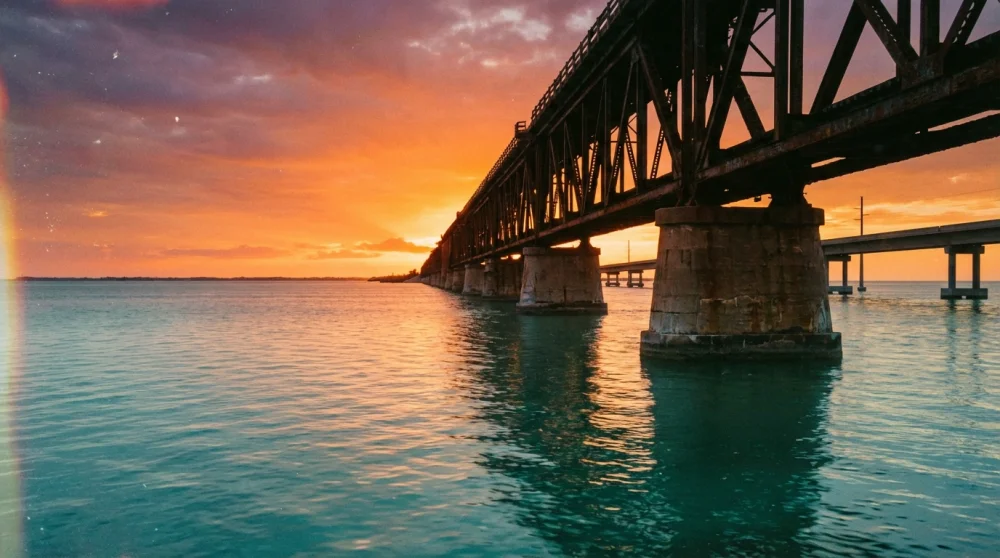
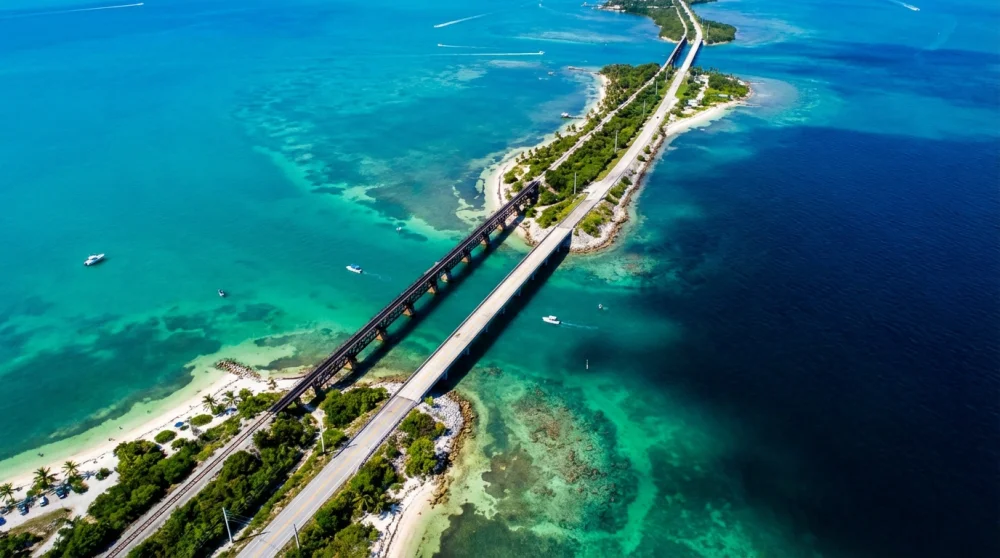
The park is famous for the Old Bahia Honda Rail Bridge. Henry Flagler built this massive steel structure in the early 1900s. Today, a section of it has been converted into a scenic overlook. It offers one of the highest vantage points in the Florida Keys, giving you a drone-like view of the water colors shifting from deep indigo to turquoise.
Breaking Down the Beaches: Which One to Choose?
Bahia Honda has three distinct beach areas. Your experience depends entirely on wind direction and seaweed conditions.
Calusa Beach (The Bayside Gem)
If you see a photo of Bahia Honda on Instagram, it is probably Calusa Beach. Located on the northwest side (Gulf/Bay side), this beach is protected from the strong Atlantic winds.
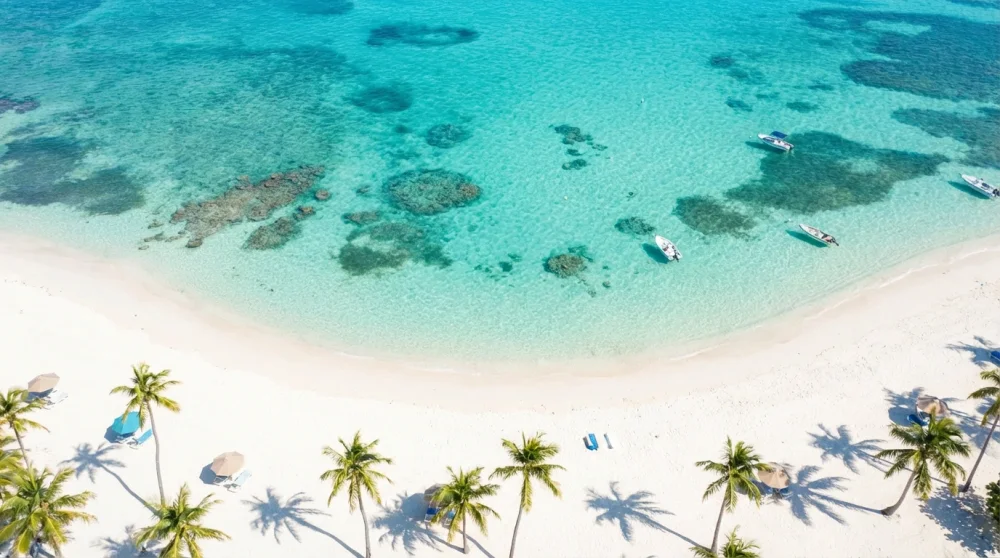
- Best For: Families with small children and sunset chasers.
- Water Condition: Usually the calmest and clearest water in the park. Because it faces the Bay, it accumulates less sargassum seaweed than the Atlantic side.
- The Vibe: It is small and can get crowded quickly because it is right next to the concession stand and the marina. This is also where you get that iconic view of the old bridge rising out of the water.
Sandspur Beach (The Atlantic Expanse)
Located on the southeast end of the park, Sandspur is the largest beach. After being devastated by Hurricane Irma in 2017, it has been fully renovated with new pavilions and bathhouses.
- Best For: Long walks, sunbathing, and escaping the crowds.
- The Trade-off: Since it faces the open Atlantic, it catches the breeze. In the summer months, this beach is prone to accumulating sargassum seaweed. When this seaweed decomposes, it releases a sulfur smell (rotten eggs) and attracts small insects. If the wind is blowing from the south/southeast, check the conditions before hauling all your gear here.
- Amenities: The new restrooms and outdoor showers here are excellent and often cleaner than the main marina facilities.
Loggerhead Beach
This stretch runs south from Calusa Beach on the Atlantic side. It is known for a large sandbar just offshore.
- Best For: Wading and beachcombing.
- Note: It is shallower and rockier than the others. It is a great spot to spot wading birds or just sit in a chair in ankle-deep water, but it is less ideal for swimming laps.
Snorkeling: Shore vs. Boat Tours
You have two options for snorkeling here, and they offer very different experiences.
Shore Snorkeling: You can snorkel right off the beach, particularly near the sea walls and rocky edges of Calusa Beach. You will see juvenile fish, soft corals, and perhaps a ray or two. It is free (if you have gear) and easy, but the visibility depends heavily on the tide and wind.
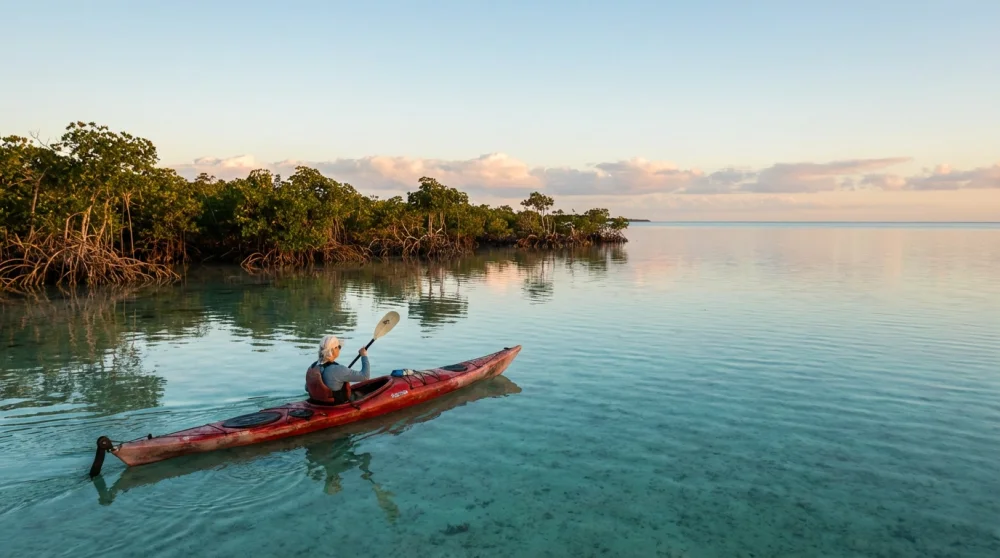
Looe Key Marine Sanctuary Tour: For the National Geographic experience, you need to book the boat tour to Looe Key Reef. This is not inside the park; it is a protected reef about 12 miles offshore.
- What You Will See: The reef here is spectacular. Expect to see larger marine life like reef sharks, nurse sharks, massive groupers, and eagle rays. The water clarity at the reef is vastly superior to the beach.
- Booking: Tours run daily (usually 9:30 AM and 1:30 PM). You should book this weeks in advance, especially if you are visiting during spring break or holidays. Prices hover around $29.95 for snorkelers, plus rental gear costs.
- Expert Tip: If you wear prescription glasses, the dive shop actually rents prescription masks. It is a game-changer if you want to actually see the fish.
Camping at Bahia Honda: The Ultimate Challenge
Camping here is a bucket-list experience, but securing a spot is notoriously difficult. Reservations open 11 months in advance on the Reserve America (Florida State Parks) website, and the waterfront sites disappear in seconds.
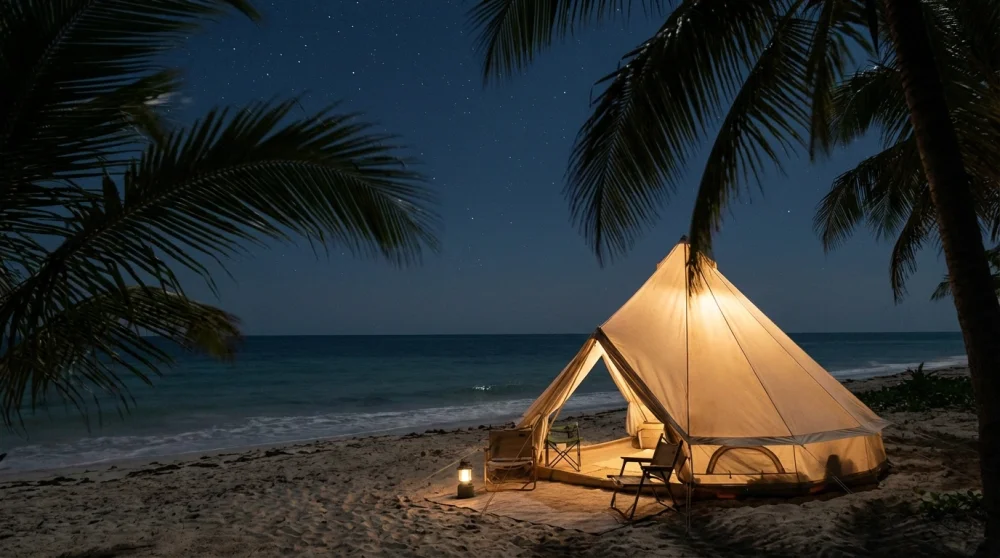
Buttonwood Loop: These sites can accommodate larger RVs and some are right on the water. You have electricity and water, and a dump station nearby.
Sandspur Loop: This area is for tents and small campers (mostly under 23 feet due to low clearance and tight turns).
- Pros: It is quieter and darker at night (amazing for stargazing).
- Cons: No sewer hookups at the sites.
Bayside Loop: This is the smallest campground (only 8 sites) and offers a more primitive feel.
- Warning: Since you are closer to the dense mangroves, the no-see-ums (biting midges) can be brutal here at sunrise and sunset. Also, campers frequently report aggressive raccoons and even rats in this loop because it is so close to the wild vegetation. Keep your food in hard-sided containers or your car. Do not leave a bag of chips on the picnic table, even for five minutes.
Cabins: The park has six cabins on stilts overlooking the bay. They are fully equipped with A/C (which is bone-chillingly cold, in a good way) and linens. These are even harder to book than the campsites.
Practical Visitor Tips
After analyzing hundreds of recent visitor reports and current conditions, here is what you need to know for a smooth trip in 2025:
- The Capacity Closed Sign: During peak season (winter and spring break) and weekends, the park often reaches maximum capacity by 10:00 AM. Once the lot is full, they close the gates and do not let anyone in until spaces open up in the afternoon. Go early.
- Food and Supplies: The concession stand is surprisingly good. They serve pizza, huge sub sandwiches, and ice cream. It is perfect if you didn't pack a cooler. However, for a full camping trip, stock up on groceries in Marathon or Big Pine Key before you enter the park.
- Bugs: If you are camping, standard bug spray often doesn't work on no-see-ums. You need a repellent with Picaridin or DEET, and physical barriers (long sleeves/screens) are your best friend. A portable battery-operated fan can keep them away from your legs while you sit outside.
- The Smell: If you arrive and the smell of seaweed is overwhelming, do not let it ruin your trip. Drive to the Calusa Beach side (Gulf side); the smell is usually much fainter or non-existent there compared to the Atlantic side.
How to Get There
Bahia Honda is located at Mile Marker 37.
- From Miami: It is about a 2.5 to 3-hour drive down US-1. The entrance will be on your left (ocean side).
- From Key West: It is a quick 45-minute drive north. The entrance will be on your right.
![Telfair Museums Savannah Guide: Tickets, Hours & The Bird Girl [year]](https://www.rotasenin.com/uploads/2025/12/telfair-museums-savannah-exhibitions.webp)
Comments (0)
Sign in to comment
Report