You are about to enter one of the oldest and largest covered markets in the world. With over 4,000 shops spread across 61 streets, the Grand Bazaar (Kapalıçarşı) is not just a shopping mall; it is a massive labyrinth that can overwhelm even the most experienced travelers. Getting lost here is easy, but finding the hidden treasures, avoiding tourist traps, and buying quality items at the right price requires a solid plan.
Most guidebooks will tell you about its history dating back to 1461. While that is impressive, it does not help you when you are trying to negotiate the price of a leather jacket or find the exit. This guide focuses on the practical side: navigating the gates, finding the hidden courtyards (Hans) that most tourists miss, and mastering the art of bargaining without getting ripped off.

Must-Know Logistics & Reality Check
Before you dive into the crowds, you need to know the basics. The bazaar is huge, and knowing when to go is as important as knowing where to go.
- Opening Hours: 08:30 – 19:00 (Closed on Sundays and religious holidays).
- Best Time to Visit: Arrive between 10:00 and 11:00 to see the shops opening up while sipping your morning coffee, or after 16:00 when the tour bus crowds begin to thin out.
- Entrance Fee: There is no entrance fee for the Grand Bazaar. It is a public commercial area.
The Atmosphere: Managing Expectations
While the Grand Bazaar is often romanticized as a living museum, recent visitors agree it is also a sensory overload. Be prepared for a chaotic mix of history and hustle. The architecture is stunning, but the ventilation can struggle to keep up; cigarette smoke is a common complaint inside the covered corridors, which might be bothersome for non-smokers or those with allergies.
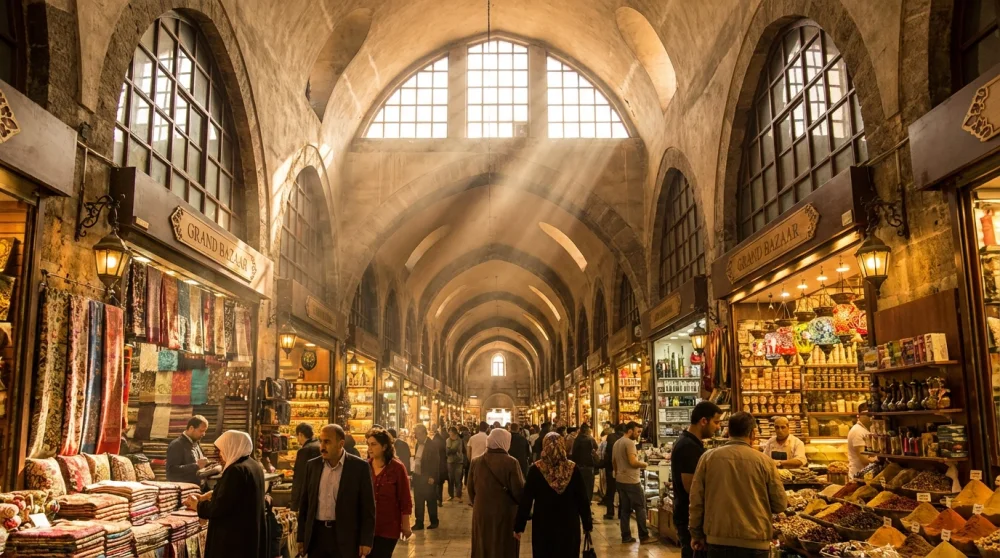
If you find the main streets too overwhelming or smoky, duck into one of the open-air Hans (courtyards) described below for a breath of fresh air and a quieter vibe.
Getting There
Traffic in this historical peninsula is notorious. Do not try to take a taxi directly to the gate. The most efficient way is using the T1 Tram line. You should get off at the Beyazıt-Kapalıçarşı stop for the main entrance.
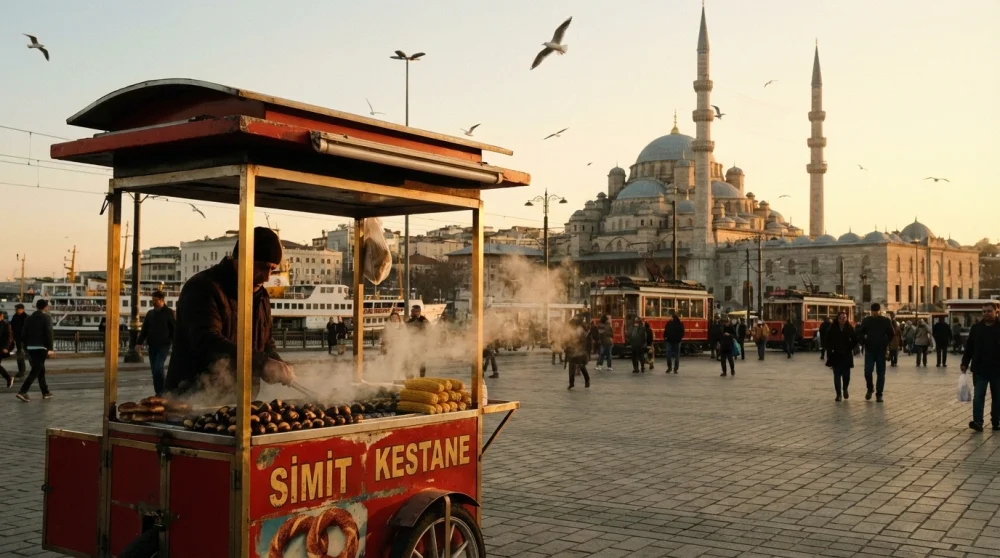
If you are coming from the Eminonu Square area after visiting the Spice Bazaar, you can walk up the hill through the Mahmutpaşa slope, entering the bazaar from the bottom gates. This route is steeper but full of local street vendors.
The Map Layout: How Not to Get Lost
The bazaar is organized around two main structures called Bedesten (domed halls for valuables). Understanding this will act as your compass.
- Cevahir Bedesten (Old Bedesten): This is the heart of the bazaar. It is the elevated area in the center where you will find the most valuable items: antiques, old coins, and high-end jewelry. The rent here is the highest, so expect prices to match.
- Sandal Bedesten: Located slightly to the side, this area was historically for silk and fabric trading. Today, it is easier to navigate than the main streets.
Navigating the Maze (GPS Warning)
Don't rely solely on your phone's GPS inside the structure; the thick stone walls and metal domes often cause Google Maps to lag or lose orientation. A practical survival tip is to take a photo of the Gate Number (e.g., Gate 1, Gate 7) as soon as you enter.
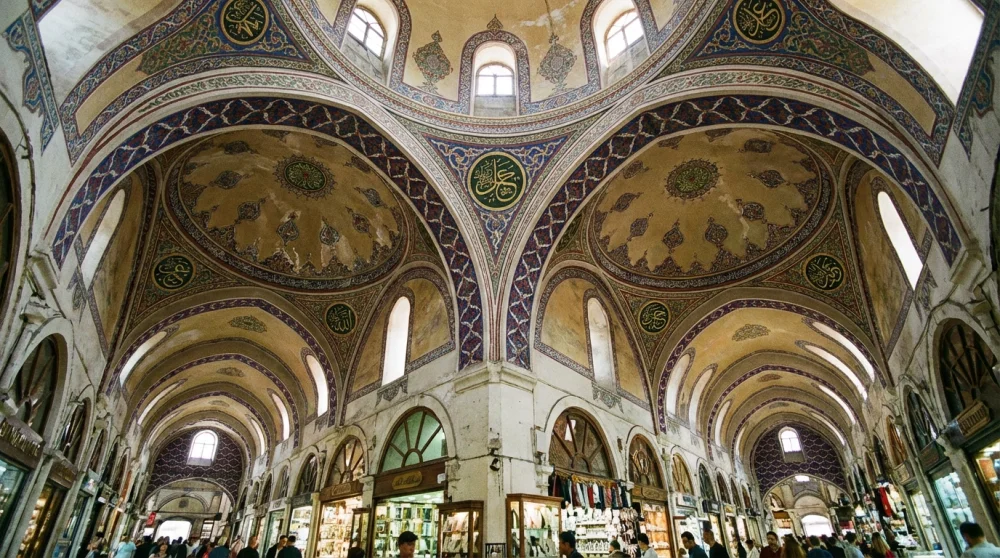
If you get hopelessly lost in the labyrinth of 60+ streets and identical-looking shops, you can simply ask a security guard or shopkeeper to point you back to your specific gate number, rather than trying to follow a blue dot that isn't moving.
Shopping Strategy: Inside vs. Outside
This is the golden rule shared by frequent visitors and locals: Browse inside, buy outside.
The rental costs within the historic covered section are incredibly high, which directly reflects in the prices. Simple souvenirs like magnets, boxes of Turkish Delight, or standard pashminas are often 50% cheaper in the steep, narrow streets surrounding the Bazaar (towards Mahmutpaşa or the Egyptian Bazaar) than they are inside.
Save your budget inside the Bazaar for unique items like high-quality leather, specific jewelry pieces, or just the experience of the haggle, but get the small gifts elsewhere.
What to Buy in Grand Bazaar: A Street-by-Street Breakdown
Instead of wandering aimlessly, target the specific streets known for the goods you want. The bazaar was originally organized by guilds, and traces of this layout remain.
Jewelry and Gold: The main street leading from the Beyazıt Gate is lined with glittering gold shops. Gold prices are indexed internationally, so the bargaining margin here is on the labor cost, not the gold itself. If you are looking for silver, head to the side streets around the Old Bedesten.
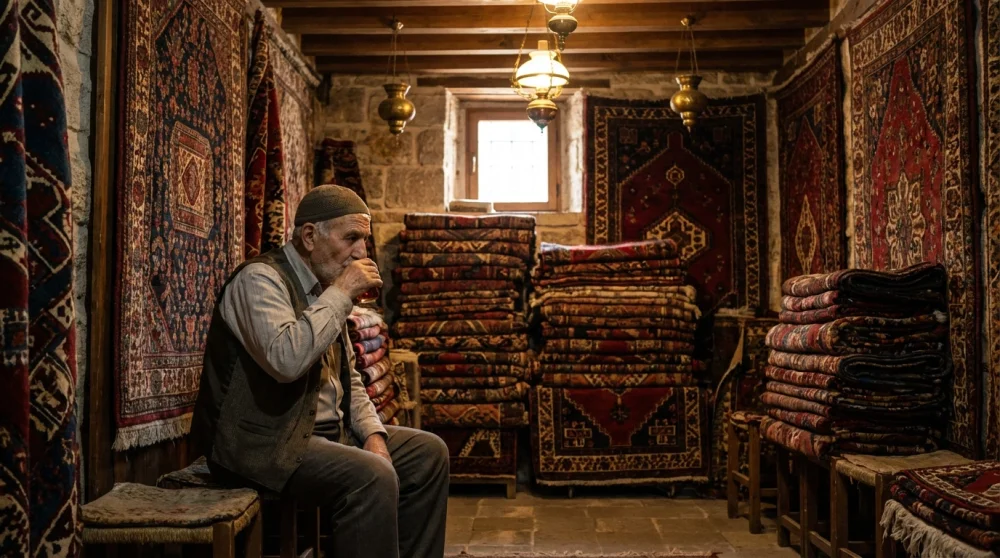
Carpets and Kilims: This is a serious investment. A handmade Turkish carpet can last for generations. Authentic shops will turn the carpet over to show you the knots. Machine-made carpets have a perfectly uniform back, while handmade ones have slight imperfections. Sahaflar Street and the area around Zincirli Han have some reputable sellers who are used to shipping worldwide.
Leather Goods: Turkey is a major producer of high-quality leather. You will find jackets, bags, and belts everywhere. The quality ranges from tourist grade to luxury brand manufacturer. Always check the stitching and smell the leather. If it smells like chemicals, walk away.
The Truth About Designer Goods: As you walk through the corridors, you will see an endless array of luxury handbags, watches, and perfumes. Be under no illusion: these are almost exclusively counterfeits.
The Grand Bazaar has become a hub for super fakes, high-quality replicas of famous brands. While some tourists specifically visit for these deals, be aware that prices for these items are also inflated for tourists. If a shopkeeper invites you to a showroom at the back or a second floor to see better quality replicas, this is a standard sales tactic. You are never obligated to buy.
Ceramics and Souvenirs: For colorful Iznik bowls, ceramic plates, and mosaic lamps, the outer rings of the bazaar are your best bet. If you are buying a lamp, ensure the electrical plug is compatible with your home country's voltage or ask if they can change it for you.
The Hans: The Secret Courtyards
This is the secret that separates a tourist from a traveler. The Hans are open-air courtyards located within or on the edges of the bazaar. They were originally inns for traveling merchants. Today, they offer the most photogenic spots and a quiet escape from the chaos.
Zincirli Han: This is arguably the most beautiful courtyard in the bazaar. With its pink walls, green shutters, and marble fountain, it feels like a movie set. It houses some of the most exclusive carpet shops. Even if you do not buy anything, you can walk in and take photos.
Büyük Valide Han: While the famous rooftop access is often closed for restoration, the courtyard itself is historic and atmospheric. It is a bit harder to find, located on the northern edge, but worth the detour to see the workshops where craftsmen still labor over silver and brass.
How to Bargain Like a Local
Bargaining is not just a transaction here; it is a social interaction. If you accept the first price, the seller might even be disappointed that there was no game.
The 40-50% Rule: When you ask for a price, the initial offer is usually 40% to 50% higher than the actual selling price. Do not be shy to counter-offer with half of the asking price. You will meet somewhere in the middle.
The Tea Ritual: If a shopkeeper offers you tea, accept it. It is a sign of hospitality, not a binding contract to buy. It gives you a chance to slow down, build a rapport, and think about the price. You can learn more about this culture in our Turkish Coffee guide, as tea and coffee are central to Turkish trade.
Walk Away: Your strongest negotiating tool is your feet. If the price isn't coming down to your budget, politely say thank you and start walking towards the door. If the seller can lower the price, they will call you back. If they let you go, you know you reached their bottom limit.
Where to Eat Inside the Bazaar
Shopping is exhausting work. Avoid the overpriced tourist buffets on the main street and head to where the shopkeepers eat.
Havuzlu Restaurant: Located near the PTT (Post Office), this is one of the few sit-down restaurants inside the bazaar that serves traditional Ottoman cuisine. It is reliable, clean, and delicious.
Şark Kahvesi: Famous for its coffee cooked on hot sand, this historic coffee house is the perfect pit stop. It is located on Yağlıkçılar Street. While sipping your drink, you might notice the thick texture of the coffee. If you are curious about whether is Turkish coffee healthy or just want to understand the fortune telling tradition, this is the best place to experience it firsthand.
Common Scams and Traps to Avoid
The Carpet Show Lure: You might be approached by friendly locals who want to practice their English or claim they have a cousin with a shop in the USA. Eventually, they will invite you to a carpet demonstration. This is a high-pressure sales tactic. Politely decline and keep moving.
Currency Exchange: While you can pay with Dollars or Euros in many shops, the exchange rate will not be in your favor. It is always better to pay in Turkish Lira. Avoid changing money inside the Bazaar's main corridor exchange offices; the rates are often better in the European vs Asian side exchange offices outside the tourist zones.
The Grand Bazaar is an experience that assaults all your senses. It is loud, colorful, and intense. By focusing on the specific items you need, using the Hans for breaks, and keeping your sense of humor during bargaining, you will leave not just with souvenirs, but with stories to tell.
![Orca Whale Watching in Washington: The Ultimate [year] Guide (Seattle & San Juan Islands)](https://www.rotasenin.com/uploads/2026/01/washington-best-time-to-see-orca-whale-watching.webp)
![10 Cheapest Places for Skydiving in the World ([year] Price Guide)](https://www.rotasenin.com/uploads/2026/01/cheapest-skydiving-destinations-cuautla-mexico.webp)
![Seattle Great Wheel Guide: Tickets, Parking & Is VIP Worth It? ([year])](https://www.rotasenin.com/uploads/2026/01/seattle-great-wheel-things-to-do.webp)
![Museumplein Amsterdam: Things to Do, Museums & Events ([year])](https://www.rotasenin.com/uploads/2026/01/museumplein-amsterdam-three-museums.webp)


Comments (0)
Sign in to comment
Report