When you book a trip to see one of the Seven Wonders of the Ancient World, your mind likely conjures images of towering columns, massive gates, and breathtaking architecture. However, if you are heading to the Temple of Artemis in Selçuk, I need you to lower those expectations—just a little bit.
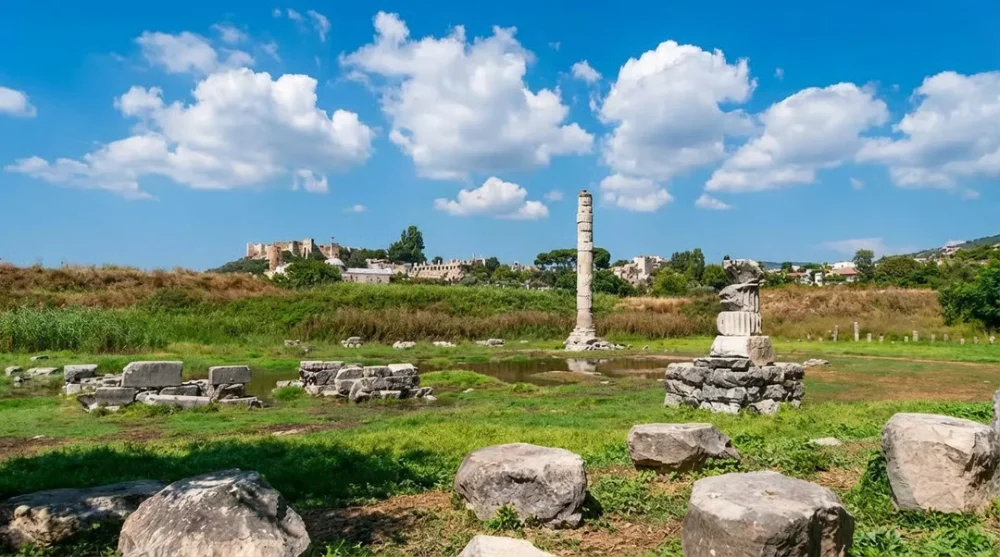
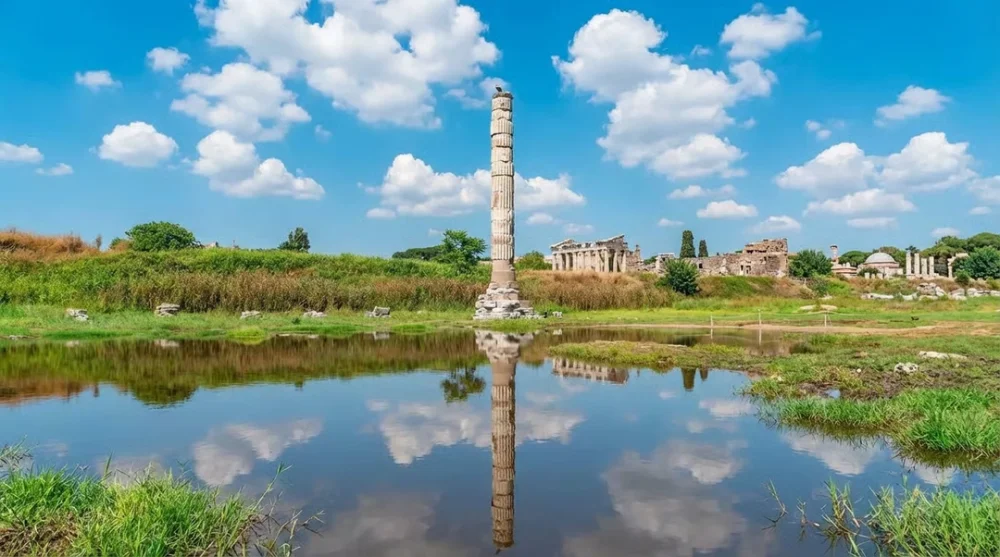
You won't find a standing cathedral of marble. Instead, you will find a single, lonely column rising from a swampy field.
I didn't write this guide to discourage you. On the contrary, I wrote it so you don't walk away disappointed. This isn't just a pile of rocks; it is a historical crime scene. It is a site that has witnessed the greatest ego battles of humanity, religious shifts, and engineering marvels. To enjoy this visit, you need to see the invisible story behind that solitary pillar.
Why Was the Artemision So Important?
Known in the ancient world as the Artemision, this structure was the largest marble temple ever constructed at the time. To put it in perspective: the Parthenon in Athens, which we gaze at in awe today, would look like a small cottage next to the original Temple of Artemis. Financed by the immense wealth of King Croesus of Lydia, the temple boasted 127 massive columns.
It made the Seven Wonders list not just for its size, but because it functioned like a fine art gallery. The most famous sculptors of the era competed to decorate its pillars and altars.
But it wasn't just a religious center; it was the Wall Street of antiquity. Merchants, kings, and commoners deposited their gold here, trusting in the protection of the Goddess Artemis. It was a bank, a sanctuary, and a trade hub all in one.
The Ancient World's First Clout Chaser: Herostratus
The fate of the temple teaches a lesson that is relevant even today. The temple wasn't destroyed by an earthquake or a war initially; it was burned down by a man named Herostratus for one simple reason: he wanted to be famous.
Herostratus set fire to this magnificent structure purely to immortalize his name. The people of Ephesus were so enraged that they not only executed him but issued a decree of Damnatio Memoriae, forbidding anyone from ever speaking his name. Ironically, historians recorded the ban, ensuring his name survived for thousands of years.
Here is a fascinating piece of trivia: Legend says the temple burned down on the exact night Alexander the Great was born. The locals joked that the Goddess Artemis was too busy acting as a midwife for Alexander in Macedonia to save her own house.
Where is the Temple of Artemis & How to Get There?
The temple ruins are located in the town of Selçuk, not at the main upper gate of the Ephesus ruins. It sits in a very accessible spot between the Selçuk Fortress and the road to Ephesus.
- On Foot: It is an easy 15-20 minute walk from the Selçuk IZBAN station or the main bus terminal (Otogar).
- By Car: If you are driving, there is space to pull over right at the entrance.
- Public Transport: Dolmuş (minibuses) running between Kuşadası and Selçuk pass right by the main road. You can hop off nearby.
Location-wise, it forms a perfect Golden Triangle of history with the Isa Bey Mosque and the Basilica of St. John. Visiting these three in a row allows you to see the transition from Paganism to Christianity and finally to Islam in one sweeping view.
Disappointment Prevention Tips for Your Visit
Before you go, read these field notes to manage your visit better. This isn't a typical museum experience:
- Mind the Swamp: The temple was built on marshy ground to protect it from earthquakes (a smart engineering move that ultimately failed). Today, the ground is often wet and muddy, especially in winter or spring. Don't wear your best white sneakers; they will likely turn brown.
- The Resident Stork: Look closely at the top of the single standing column. You will almost certainly see a stork's nest. It’s a poetic touch, nature reclaiming history.
- The Hawkers: You will encounter sellers at the gate offering coins or guidebooks. They can be persistent. A firm No, thank you and keeping your pace usually works.
- Time Management: This is not a day-trip destination. A 15 to 20-minute stop is more than enough to take photos and read the placards.
- The Mindset: Don't treat this like a sightseeing tour. Treat it like a forensic investigation. Look at the scattered marble drums and try to mentally reconstruct the forest of 127 columns that once stood here.
Where Are the Actual Artifacts?
If the site feels empty, it's because the best parts were taken away long ago.
- The British Museum (London): In the 19th century, British archaeologists took many of the sculptured column bases and architectural fragments to London.
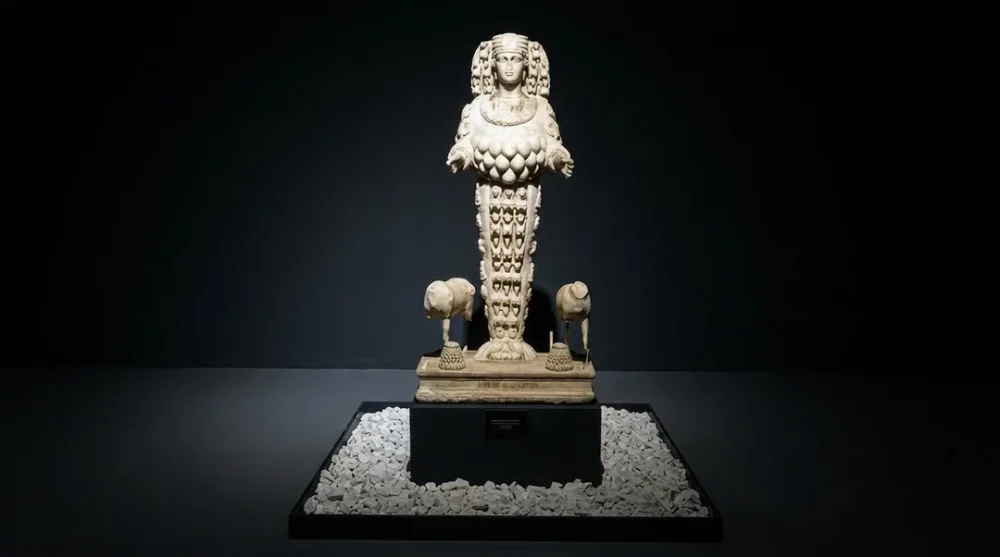
- Ephesus Museum (Selçuk): This is the most critical stop. The famous statues of Artemis, the ones depicted with multiple eggs (or bull testicles, depending on the theory) on her chest, are here, just a 10-minute walk from the temple site. You absolutely must visit the local museum to understand what you just saw in the field.
What Else to See Nearby?
Once you've paid your respects to the lost temple, pivot to the other gems in Selçuk. The town is practically an open-air museum.
Right behind you stands the Isa Bey Mosque, a masterpiece of Seljuk architecture. On the hill above is the Basilica of St. John, believed to be the burial site of the Apostle John. And of course, the main event, the Ancient City of Ephesus, and the charming wine village of Şirince are just a short drive away.
![Orca Whale Watching in Washington: The Ultimate [year] Guide (Seattle & San Juan Islands)](https://www.rotasenin.com/uploads/2026/01/washington-best-time-to-see-orca-whale-watching.webp)
![10 Cheapest Places for Skydiving in the World ([year] Price Guide)](https://www.rotasenin.com/uploads/2026/01/cheapest-skydiving-destinations-cuautla-mexico.webp)
![Museumplein Amsterdam: Things to Do, Museums & Events ([year])](https://www.rotasenin.com/uploads/2026/01/museumplein-amsterdam-three-museums.webp)

Comments (0)
Sign in to comment
Report