Bank holidays in the United Kingdom are more than just days off work. They are a cultural institution that dictates the rhythm of the year for locals and travelers alike. Whether you are planning a city break in London or a hiking trip in the Highlands, understanding how these public holidays function is essential to avoid closed doors and travel chaos. The system can be confusing because the rules often change depending on which part of the UK you are visiting.
Understanding UK Public Holidays
The term Bank Holiday comes from the original Act of 1871 which designated specific days when banks and financial institutions would close. Today, this effectively means a public holiday for the general population. Schools close, most businesses shut down, and the public transport network operates on a reduced schedule.
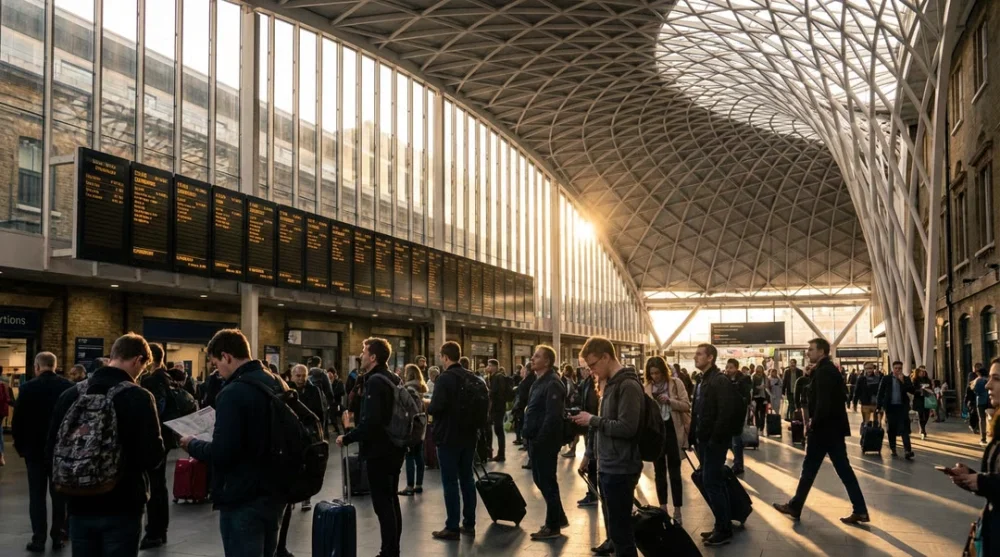
A unique feature of the British system is the Substitute Day rule. If a fixed-date holiday like Christmas Day or New Year's Day falls on a Saturday or Sunday, the bank holiday is moved to the next available weekday, usually the following Monday. This ensures that the workforce does not lose a day off just because of the calendar cycle. You should always check the confirmed government schedule before booking leave or flights, as these substitute days change annually.
The Core Bank Holidays
While dates shift slightly each year, the core framework remains consistent across England and Wales. These are the key periods you need to know for planning your trip.
New Year's Day: Celebrated on January 1st. If this falls on a weekend, the substitute day rule applies. This is a quiet day in most cities as people recover from the previous night's celebrations.
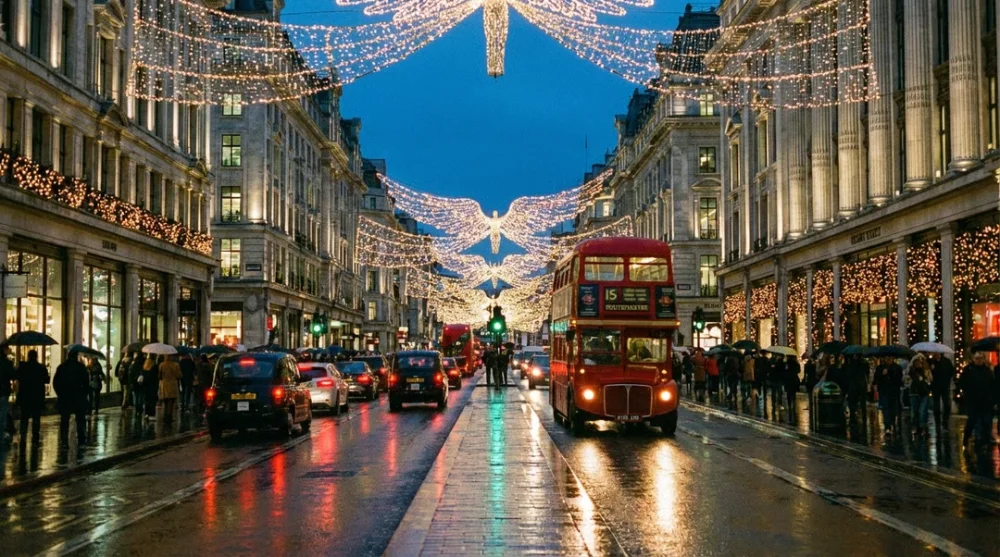
Easter Period: This consists of two separate bank holidays: Good Friday and Easter Monday. This creates a four-day long weekend which is one of the busiest travel periods in the country. Note that unlike many other countries, shops are legally required to close on Easter Sunday in England and Wales due to trading laws.
May Holidays: There are two bank holidays in May. The Early May Bank Holiday falls on the first Monday of the month. The Spring Bank Holiday falls on the last Monday of May. These long weekends often signal the start of the domestic tourism season.
August Bank Holiday: Held on the last Monday of August in England, Wales, and Northern Ireland. This is often the final warm weekend of the year and sees heavy traffic on coastal roads.
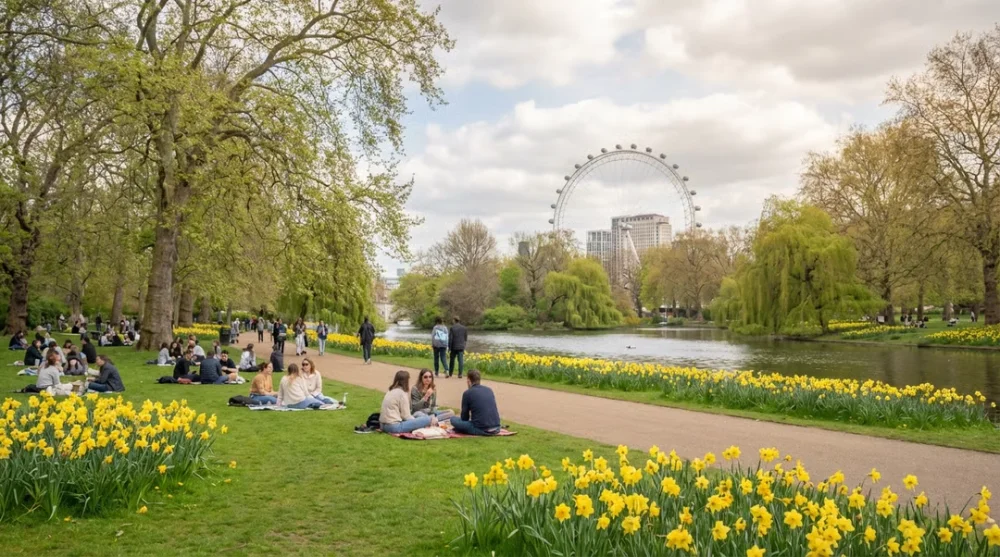
Christmas Period: This includes Christmas Day (December 25th) and Boxing Day (December 26th). Public transport shuts down almost completely on Christmas Day, and services are extremely limited on Boxing Day.
Regional Differences You Must Know
Travelers often assume the schedule is the same nationwide, but this is a common mistake. The difference between UK, Great Britain and England is crucial here because regional governments have the power to set their own holidays.
Scotland: The Scottish system differs significantly. They have an extra bank holiday on January 2nd to extend the Hogmanay (New Year) celebrations. However, Easter Monday is not traditionally a statutory bank holiday in Scotland, although some businesses still close. Additionally, Scotland celebrates St Andrew's Day in late November. The Summer Bank Holiday in Scotland typically falls at the beginning of August, not the end.
Northern Ireland: In addition to the standard UK holidays, Northern Ireland observes St Patrick's Day in March and the Battle of the Boyne (Orangemen's Day) in July. If you are visiting Belfast or the Causeway Coast during these times, expect parades and potential road closures.
Travel and Services Survival Guide
Navigating the UK during a bank holiday requires strategic planning. Services operate very differently compared to a standard weekday or weekend.

Public Transport: This is the most critical factor for tourists. Trains and the London Underground usually operate on a reduced Sunday Service schedule. Furthermore, Network Rail often schedules major engineering works for bank holiday weekends because fewer commuters are traveling. This can lead to line closures and bus replacement services which add hours to journey times. You should always check the National Rail enquiries website before traveling on these dates.
Shops and Supermarkets: Most large supermarkets and high street chains remain open but operate on reduced hours (typically 10:00 to 16:00). Small independent shops and local businesses often close for the entire day.
Medical Services: GP surgeries (local doctors) are closed. If you need medical attention, you must use the NHS 111 service or visit an Accident and Emergency department for serious issues. Pharmacies operate on a rota basis, meaning only a few in each area will be open for limited hours.
Attractions: Museums, galleries, and major tourist attractions usually remain open as these are their busiest days. However, entry queues are significantly longer. We strongly advise booking tickets online in advance to guarantee entry.
Maximizing Annual Leave
For those working in the UK, strategic planning can turn a few days of annual leave into a substantial vacation. The most popular strategy involves the Easter period or the Christmas holidays.
By booking the weekdays sandwiched between the weekends and the bank holidays, you can often secure a ten-day break while only using a small portion of your annual leave allowance. This is a competitive practice, so you need to get your leave requests in early.
![Orca Whale Watching in Washington: The Ultimate [year] Guide (Seattle & San Juan Islands)](https://www.rotasenin.com/uploads/2026/01/washington-best-time-to-see-orca-whale-watching.webp)
![10 Cheapest Places for Skydiving in the World ([year] Price Guide)](https://www.rotasenin.com/uploads/2026/01/cheapest-skydiving-destinations-cuautla-mexico.webp)
![Museumplein Amsterdam: Things to Do, Museums & Events ([year])](https://www.rotasenin.com/uploads/2026/01/museumplein-amsterdam-three-museums.webp)

Comments (0)
Sign in to comment
Report