Finding yourself suspended in the deep blue waters of the Pacific while a three-meter shark glides silently beneath your fins is a moment that redefines your relationship with the ocean. Oahu remains the premier destination for this encounter, offering a unique bridge between human curiosity and marine majesty. Whether you are looking for the adrenaline of a cage-free swim or the structured safety of a steel observation deck, the North Shore of Oahu provides the perfect stage for these apex predators.
Before you head out to Haleiwa Harbor, it is vital to understand the logistics and the behavioral etiquette required for a successful dive. This is not just a tourist activity; it is an immersion into a delicate ecosystem where you are a guest in the sharks' living room.
Choosing Between Cage and Cage-Free Experiences
The decision between a cage and a cage-free swim often depends on your comfort level and previous snorkeling experience. Cage diving is an excellent choice for families or those who feel more secure with a physical barrier between themselves and the wildlife.
You simply hold onto the bars and observe the sharks as they investigate the boat. It requires no advanced swimming skills, making it accessible to almost anyone.
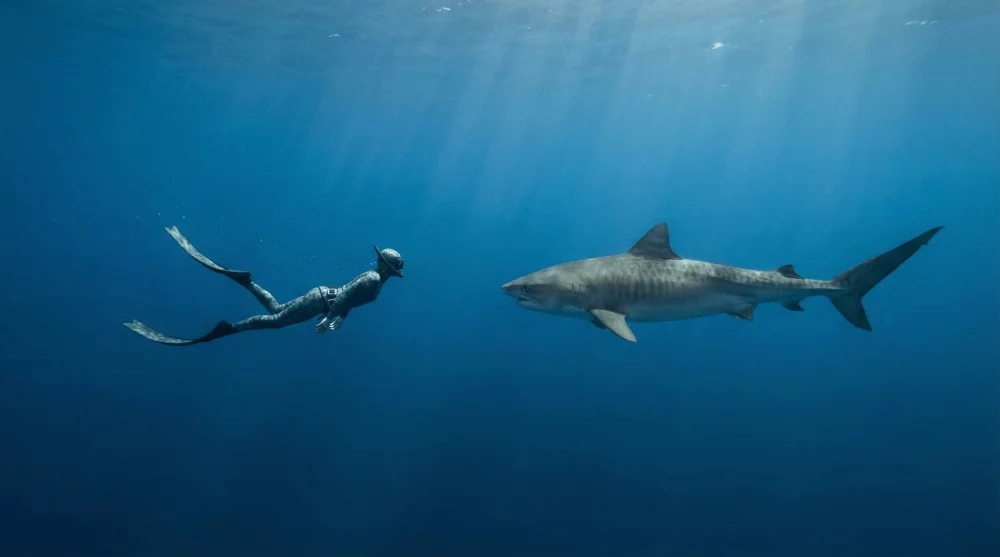
On the other hand, cage-free snorkeling offers an unparalleled sense of freedom. Guided by expert safety divers, you enter the open water to interact with sharks in their natural state. This experience focuses heavily on education and reading shark body language.
You learn how to maintain eye contact and stay calm, which actually results in much longer and more peaceful encounters. Experienced snorkelers often prefer this method because it removes the visual barrier of the bars, allowing for better photography and a deeper connection with the animals.
Identifying the Sharks of Oahu
While the waters around Hawaii host many species, you are most likely to encounter Galapagos and Sandbar sharks during your tour. Galapagos sharks are known for their inquisitive nature and can grow quite large, often approaching the boat with a graceful but bold curiosity.
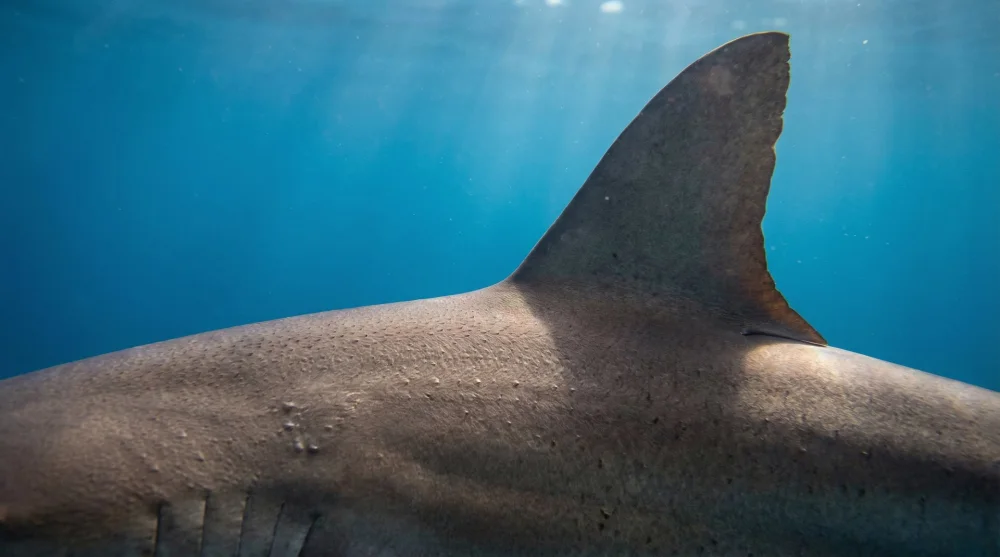
Sandbar sharks are easily identified by their very tall first dorsal fins and tend to be more reserved, staying slightly deeper in the water column.
On rare and lucky occasions, especially when the water temperature shifts, you might spot a Tiger shark. These are significantly larger and move with a slow, methodical power that commands immediate respect. Professional guides are trained to monitor the behavior of every individual shark in the area, ensuring that the interaction remains safe and respectful for both parties.
Essential Logistics at Haleiwa Harbor
Almost all shark tours depart from Haleiwa Small Boat Harbor on the North Shore. To ensure a smooth start to your adventure, you should arrive at least twenty minutes before your scheduled departure. Parking can be found near the harbor entrance, but it fills up quickly during peak hours, so giving yourself extra time is a smart move.
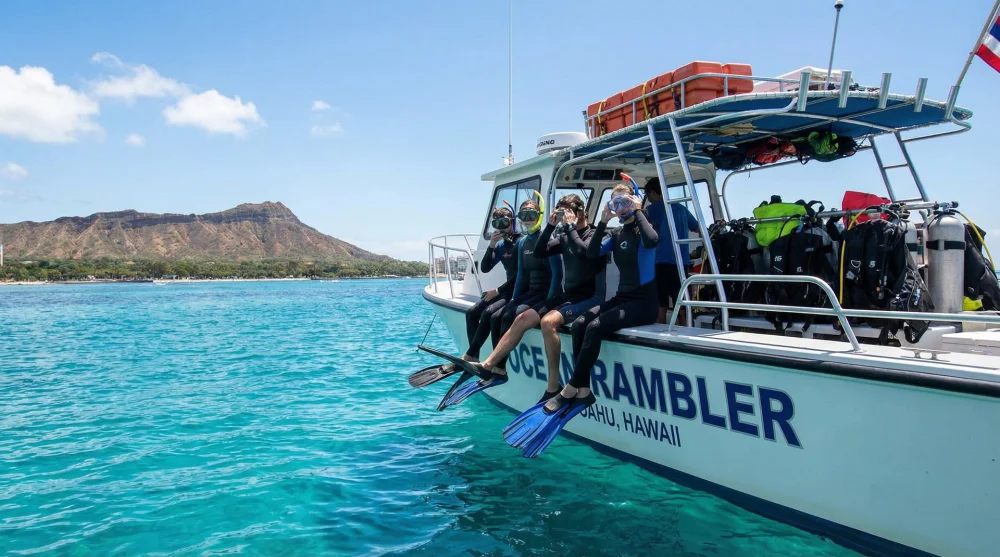
The boat ride to the dive site typically takes about fifteen to twenty minutes. This is the time when your guides provide a safety briefing and share insights into shark conservation. Pay close attention to the instructions on how to enter and exit the water, as these transitions are the most important parts of the tour for maintaining a calm environment for the sharks.
Managing Motion Sickness and Ocean Conditions
The North Shore is famous for its swells, and even on seemingly calm days, the boat can experience significant movement while anchored at the dive site. If you are prone to seasickness, taking preventive measures the night before and the morning of your trip is highly recommended. Being in the water actually helps some people feel better, but the stationary boat is where most guests feel the effects of the waves.
The early morning charters generally offer the calmest sea conditions. As the trade winds pick up later in the day, the surface can become choppy, which might slightly reduce underwater visibility. Regardless of the time, the deep blue clarity of the offshore waters is usually spectacular, often extending beyond thirty meters.
What to Wear and Bring for Your Dive
For the best experience, wear a snug-fitting swimsuit and consider a long-sleeved rash guard. Not only does this provide protection from the intense Hawaiian sun, but it also offers a thin layer of defense against any stinging organisms like jellyfish that might be drifting in the current.
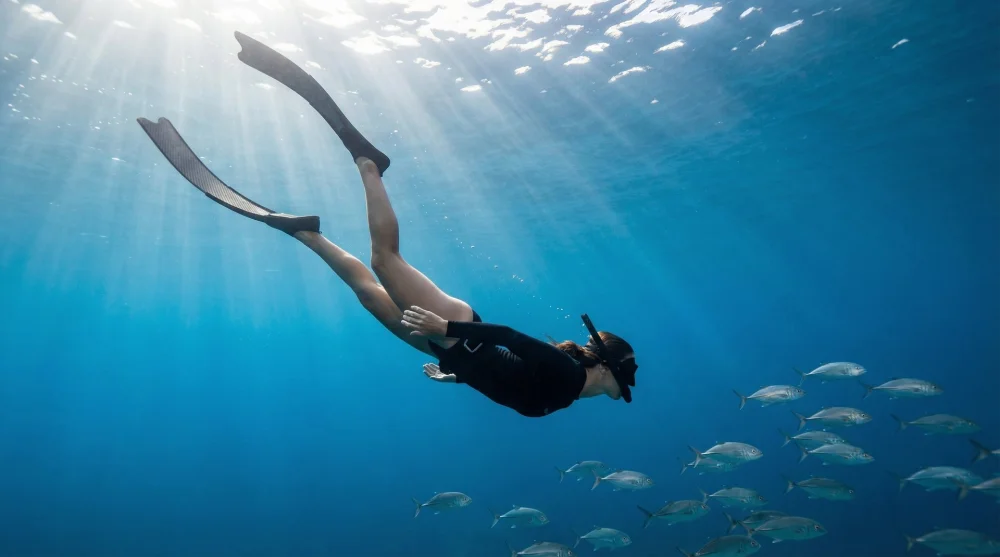
Most operators provide masks, snorkels, and fins, but bringing your own gear ensures a perfect fit.
Avoid wearing bright, high-contrast colors or shiny jewelry that might mimic the appearance of fish scales in the sunlight. Stick to dark or neutral tones for your gear and swimwear. If you plan on bringing a camera, ensure it is attached to a secure wrist strap or floatation handle. Losing equipment in the deep blue is a common mistake that can be easily avoided with a little preparation.
Respectful Interaction and Marine Ethics
The philosophy of modern shark tours in Hawaii has shifted from simple observation to active conservation. You are encouraged to view these animals not as threats, but as essential guardians of the reef. Following the guidance of your safety diver is mandatory; this includes keeping your hands to yourself and avoiding any sudden, splashing movements.
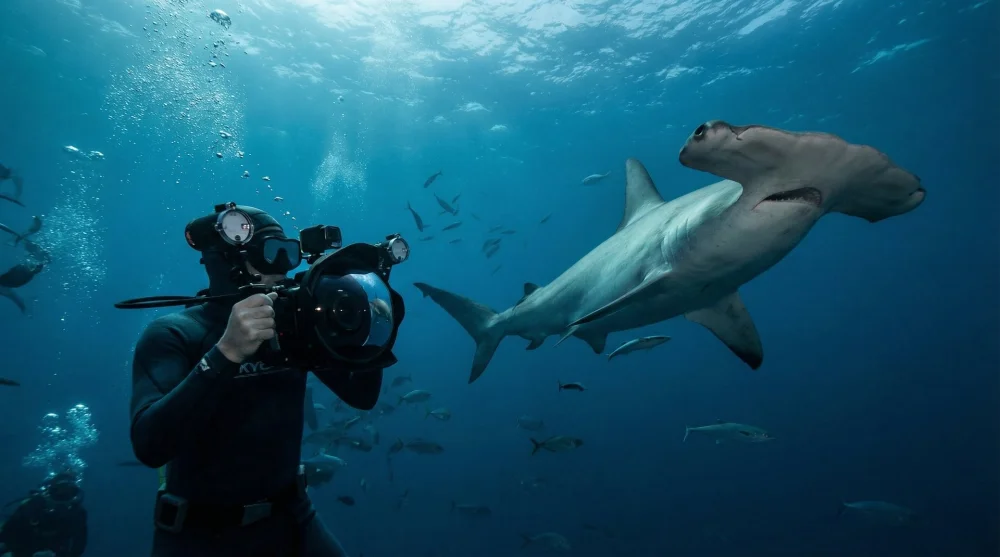
By participating in a reputable tour, you are often contributing to ongoing research. Many guides take photos to identify individual sharks and track their migration and health over time. This data is crucial for the legal protection of sharks in Hawaiian waters, ensuring that future generations can also experience the thrill of seeing a shark in the wild.


![Madame Tussauds Amsterdam: Ticket Prices, Figures and Tips [year]](https://www.rotasenin.com/uploads/2026/01/madame-tussauds-amsterdam-music.webp)

Comments (0)
Sign in to comment
Report