You arrive at the marina, the sunlight hitting the water just right, and you feel the urge to order a cold drink immediately. Then the bill arrives. This is usually the moment reality sets in for many travelers visiting this glamorous island.
Capri has a reputation for being one of the most expensive destinations in the Mediterranean, and honestly, that reputation is not entirely improved. However, labeling it simply as expensive misses the nuance. The real cost of your trip depends entirely on how you navigate the island's unique pricing rules.
Understanding where the money goes is the first step to enjoying the view without worrying about your wallet. The island operates on a two-tier system: one for those who just tap their card without looking, and one for the savvy traveler who knows the local tricks. You do not need a celebrity budget to enjoy the Blue Grotto or the Piazzetta, but you do need a strategy.
The Capri Premium Explained
Before we look at hotels and food, you need to understand why prices here feel higher than in Naples or Rome. Capri is a small rock in the middle of the sea. Almost everything you eat, drink, or use has to be shipped in from the mainland. This logistical reality adds a surcharge to basic goods.
Seasonality also plays a massive role. The island makes the bulk of its income in a very short window. Businesses have to cover their year-round expenses during these few busy months. When you visit during the peak summer weeks, you are competing for very limited space with thousands of others, and prices adjust naturally to this high demand.
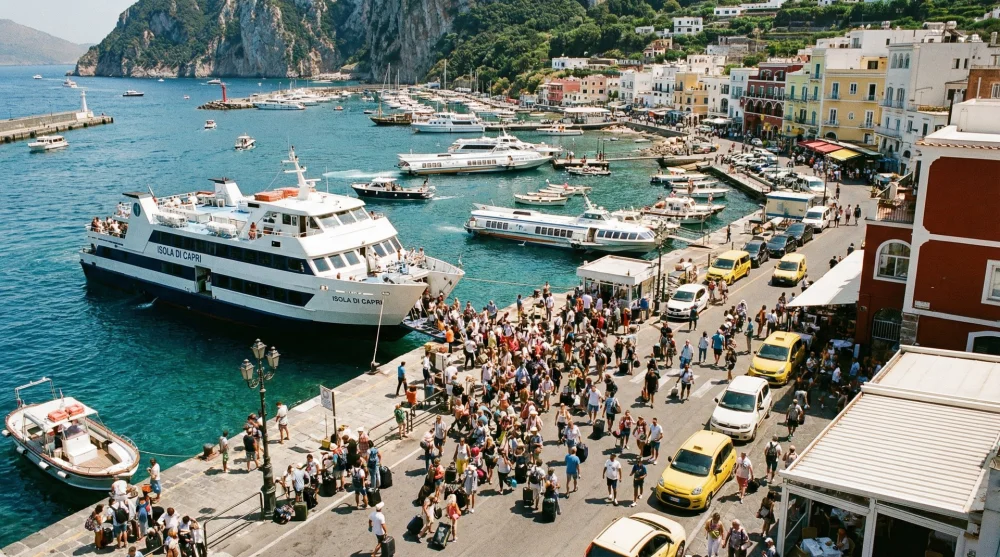
Accommodation Costs: Capri Town vs. Anacapri
Where you choose to sleep is the biggest factor in your total budget. The island is divided into two main areas, and the price difference between them is stark.
Staying in Capri Town
If you want to be in the center of the action, close to the luxury boutiques and the famous Piazzetta, you will pay a premium for it. Hotels here cater to a high-end crowd. You are paying for the location and the prestige. If waking up and stepping directly into the glamorous buzz is your priority, this is the place, but expect rates to reflect that exclusivity.
The Value of Anacapri
Head up the hill to Anacapri, and the vibe changes. It is quieter, more residential, and significantly friendlier to your budget. You can often find charming B&Bs and family-run hotels here for a fraction of what you would pay down in the main town. The trade-off is a short bus or taxi ride to reach the sea, but for many, the authentic atmosphere and lower costs make it the smarter choice.
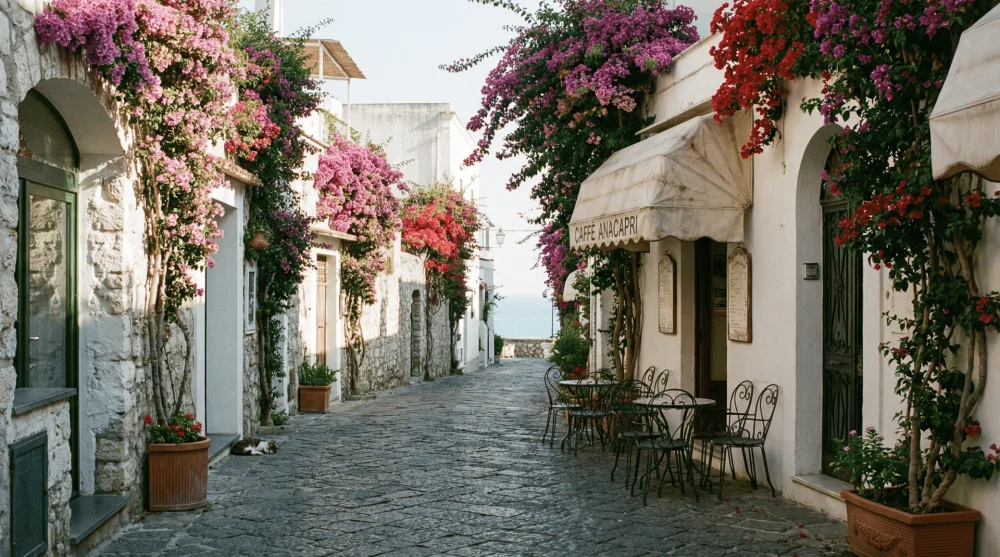
Food and Drink: Avoiding the Tourist Traps
Dining in Capri can range from a reasonable pizza to a bill that makes you gasp. The secret lies in knowing the unwritten rules of Italian bar culture.
The Coffee Counter Rule
This is the most important tip for your wallet. If you walk into a bar in the Piazzetta and sit at a table to watch the world go by, you will pay a service charge and a much higher price for your cappuccino. However, if you drink your coffee standing at the counter al banco like the locals do, the price is regulated and standard. The difference is massive. You get the same coffee and the same atmosphere, just without the table service fee.

The Coperto and Water Reality
When you sit down at a restaurant, check the menu for the coperto. This is a per-person cover charge standard in Italy, but it can be higher here than on the mainland. Another thing that catches visitors off guard is the price of bottled water. Since tap water is safe but rarely served in restaurants, you will be ordering bottled water, and in high-end spots, the markup on a simple bottle can be surprisingly steep.
Street Food Alternatives
You do not have to dine at a white-tablecloth establishment for every meal. Capri has excellent bakeries and delis where you can grab a panino caprese (mozzarella and tomato sandwich) or a slice of pizza. These are fresh, delicious, and cost very little compared to a sit-down lunch.
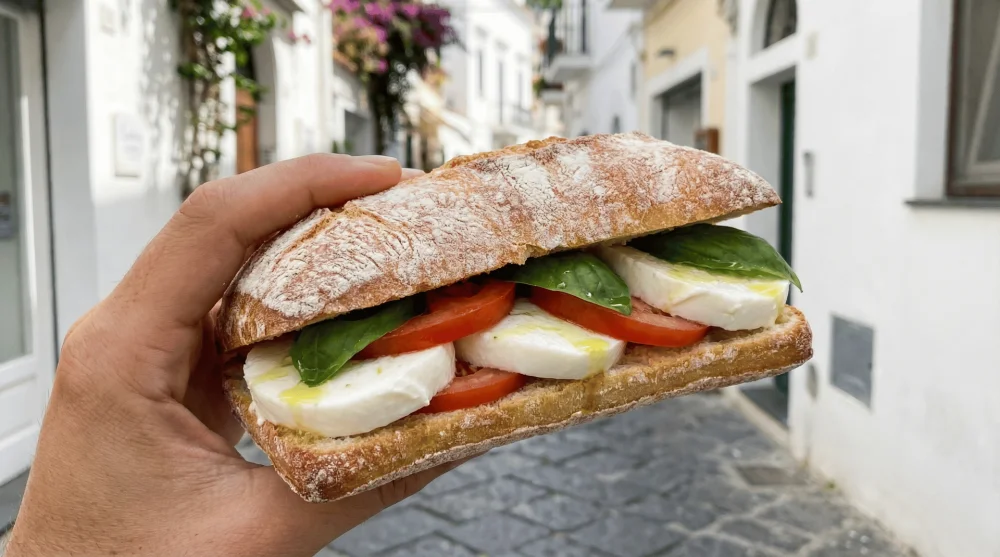
Transportation: Getting There and Around
Reaching the island is an expense in itself. Ferries run constantly from Naples and Sorrento. The high-speed hydrofoils are faster but cost more than the slower ferries.
The Luggage Fee
Keep in mind that your ferry ticket usually covers just you. If you have large suitcases, you often have to buy a separate ticket for each bag. It is a small amount, but it adds up if you are traveling with a family and heavy gear.
Taxis vs. Public Transport
Capri's convertible taxis are iconic. They look great in photos, but they operate on a fixed-rate system that is quite high even for short distances. If you want the experience, go for it once. For regular travel, the public bus system is efficient and very cheap. The buses are small to fit the narrow roads, so they can get crowded, but they are the most budget-friendly way to move between Capri, Anacapri, and the Marina.
The Funicular
The Funicular railway connecting the Marina Grande to Capri Town is quick and reasonably priced. It saves you a steep uphill walk and is generally worth the small ticket cost to save your energy for exploring.
Sightseeing and Beach Clubs
You can spend a fortune on activities, or you can spend almost nothing. The choice is yours.
The Blue Grotto
Entering the famous Blue Grotto involves a rowboat hire and an entrance fee. It is a unique experience, but it is one of the pricier short activities on the island.
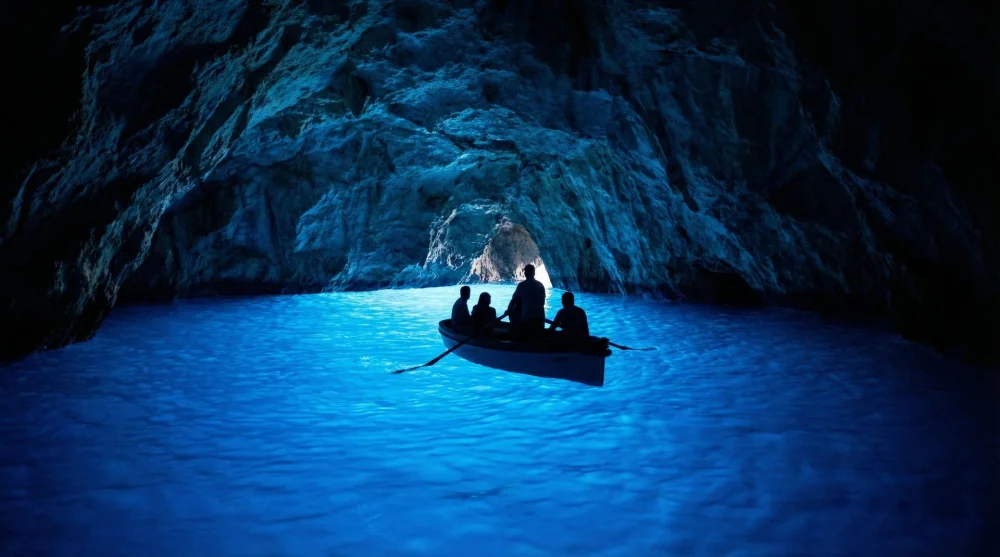
Many boat tours circle the island and show you the grotto from the outside along with other caves for a combined price that might offer better value for a longer excursion.
Free Natural Wonders
Some of the best things in Capri are free. The hike to the Natural Arch, the walk along Via Tragara to see the Faraglioni rocks, and the winding path of Via Krupp offer world-class views without an entrance ticket.
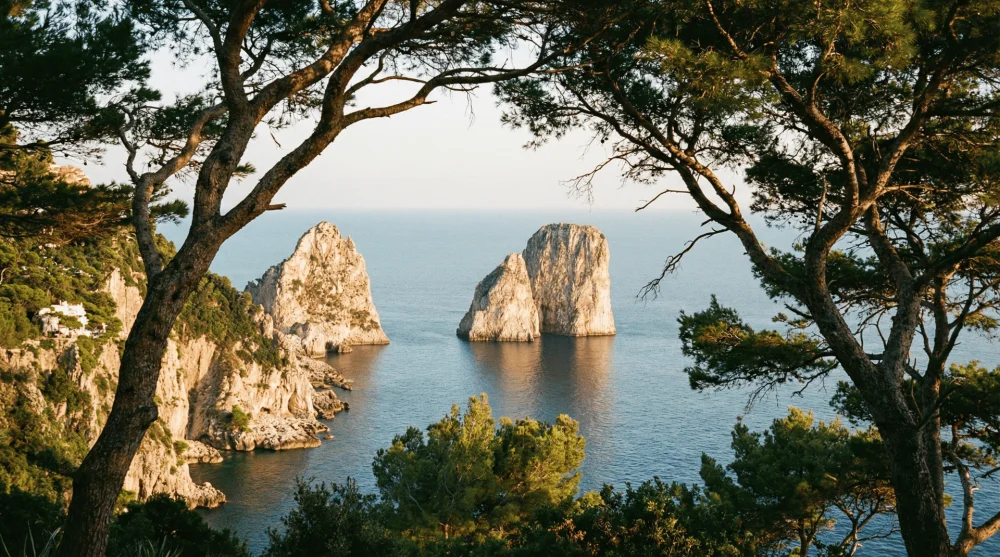
The Gardens of Augustus charge a nominal entry fee that is very low, making it one of the best value-for-money sights on the island.
Beach Clubs vs. Public Beaches
Beaches in Capri are small and pebbly. Private beach clubs charge for entrance, sunbeds, and umbrellas. These costs can be quite high for a full day. Alternatively, there are small sections of public beach at Marina Grande and Marina Piccola where you can lay your towel down for free, though you need to arrive early to find a spot.
Three Budget Scenarios
To help you visualize, here is how different travel styles look on the island.
The Backpacker Approach: You stay in a hostel or a budget campsite on the mainland and visit Capri as a day trip. You bring your own water and snacks, eat a slice of pizza for lunch, and stick to walking or taking the bus. You skip the private boat tours and enjoy the free hiking trails.
The Smart Traveler: You stay in Anacapri or a B&B. You enjoy your coffee at the counter and have one nice sit-down dinner, but opt for lighter lunches. You use the bus system but treat yourself to a shared boat tour around the island. You pay for the specific sights you really want to see but mix them with free walking tours.
The Luxury Experience: You stay in a hotel with a view of the Faraglioni. You take private water taxis and eat at the most renowned restaurants. You rent a private boat for the day to swim in secluded coves. In this bracket, the limit is simply your own preference.
Practical Money-Saving Tips
- Refill Your Bottle: Look for the public water fountains. The water is cold, clean, and free. Buying plastic bottles all day drains your budget unnecessarily.
- Supermarket Snacks: Local supermarkets in Anacapri sell fruit, wine, and cheese at normal prices. A picnic with a view often beats a crowded restaurant.
- Walk Down: Take the bus or funicular up, but walk down. The paths from Anacapri to the Marina or from Capri Town to the port are scenic and easy on the legs when going downhill.

![Madame Tussauds Amsterdam: Ticket Prices, Figures and Tips [year]](https://www.rotasenin.com/uploads/2026/01/madame-tussauds-amsterdam-music.webp)

Comments (0)
Sign in to comment
Report