You step off the cruise ship or arrive from your hotel and the energy hits you immediately. Kusadasi is not just a port town; it is a massive open-air shopping mall disguised as a holiday destination. For many travelers, this is the best place in Turkey to buy high-quality leather jackets, authentic rugs, and jewelry.
However, it is also a place where a moment of distraction costs you money. The sales tactics here are aggressive, the prices are fluid, and the difference between a treasure and a trap is often hard to spot.
This guide helps you navigate the bazaars with confidence, teaching you how to distinguish real quality from cheap imitations and how to handle the high-pressure negotiation process like a local.
The Shopping Landscape: Grand Bazaar and Beyond
The moment you leave the port terminal, you enter a zone designed entirely for tourists. The main shopping artery is the Grand Bazaar, but do not confuse this with the historic Grand Bazaar in Istanbul. The version in Kusadasi is modern, organized, and densely packed with hundreds of shops selling watches, bags, jeans, and souvenirs.
If you walk slightly uphill, away from the immediate port area, you find the Orient Bazaar and the smaller side streets. Rents are lower here, which often means the shopkeepers have more flexibility with their bottom line. The further you walk from the cruise ship gangway, the better your bargaining power becomes.
Buying Leather: How to Spot Quality
Turkey produces some of the finest leather in the world, supplying raw materials to major Italian and French fashion houses. Kusadasi is famous for its soft-as-silk lambskin jackets. When you enter a reputable leather store, the experience often starts with a private fashion show where staff model various cuts.
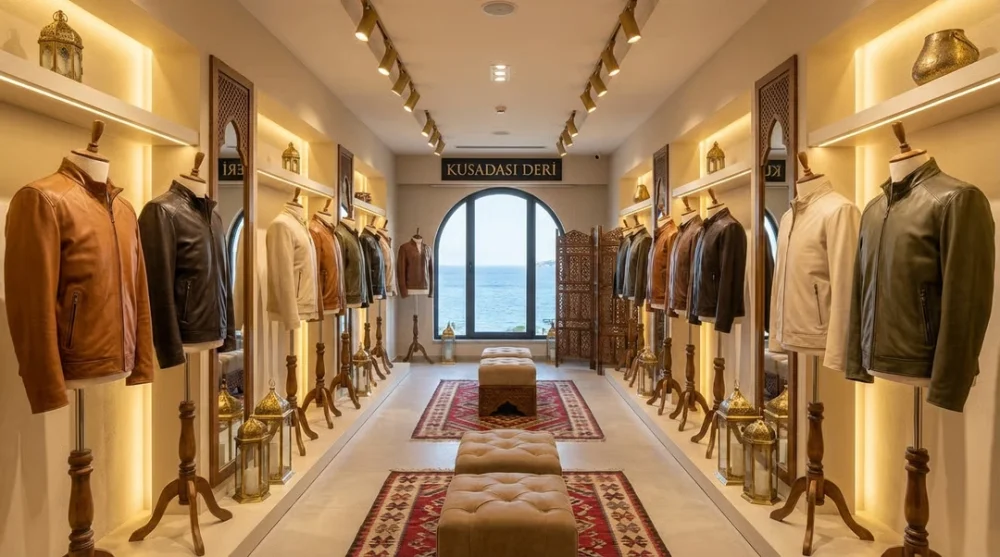
To ensure you are buying top-tier quality, pay attention to the texture. High-quality lambskin feels cool to the touch and creates a soft, muffled sound when you rub the fabric against itself. Low-quality or treated leather sounds like plastic or paper. Check the stitching; it must be uniform and tight. A true leather jacket smells earthy and rich, never like chemicals.
Many shops offer custom tailoring. If you find a style you like but the fit is imperfect, they often adjust it within a few hours. If you choose this option, ensure you have enough time before your ship departs. Never pay the full amount upfront for a custom job; pay a deposit and the rest upon satisfactory delivery.
Turkish Carpets: Investment vs. Souvenir
Carpet buying is the most complex shopping experience in Turkey. It is also where the highest risks lie. You will likely visit a carpet weaving center as part of a tour returning from the Ephesus Ancient City, or you might wander into a shop in town.
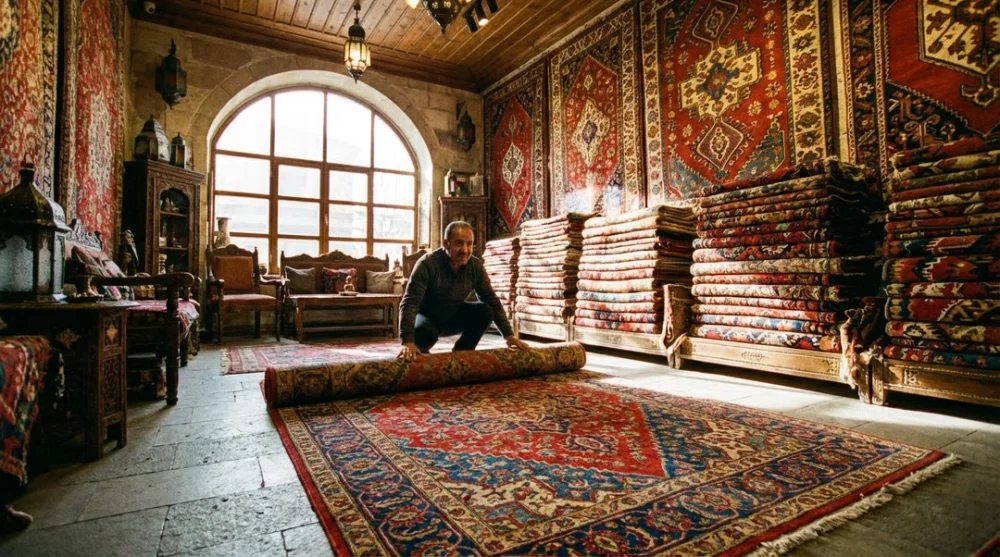
Real Turkish carpets use the double-knot technique, which makes them incredibly durable. The material determines the value. Silk on silk is the most expensive, followed by wool on cotton. The most common scam involves selling mercerized cotton as silk. To the untrained eye, they look identical. Real silk refracts light differently depending on the angle you view it from; it changes color as you walk around the rug. If the carpet looks exactly the same from all sides, be suspicious.
If you decide to ship a carpet home, take a photo of the rug with you and the seller in the frame. Sign the back of the carpet with a permanent marker. This ensures the piece that arrives at your doorstep is the exact one you purchased.
The Art of Haggling
Negotiation is not rude in Kusadasi; it is expected. If you accept the first price, you overpay significantly. The process is a ritual. It often involves sitting down and accepting a glass of tea or Turkish coffee. Accepting the drink does not obligate you to buy, so enjoy the hospitality.
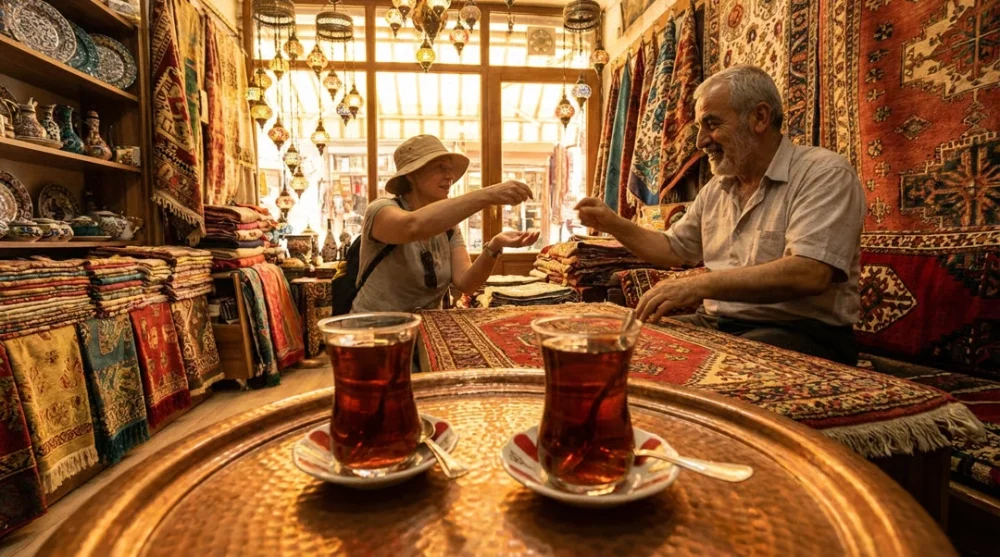
When you ask for the price, the seller gives you a starting figure. This is usually inflated by a large margin. A good rule of thumb is to counter-offer with a figure around half of their opening price. They will laugh or look offended; this is part of the theatre. You then slowly work your way up while they work their way down.
The most powerful tool you have is the ability to walk away. If the price does not meet your budget, thank them and move towards the exit. In many cases, the price drops miraculously just as you reach the door.
Genuine Fakes and Designer Replicas
Kusadasi is famous for Genuine Fakes, a humorous term locals use for high-quality replicas of luxury handbags, watches, and shoes. You see shelves stacked with goods bearing the logos of global luxury brands. While the quality of these items is often surprisingly high, sometimes made with real leather and decent hardware, you must be aware of the legal reality.
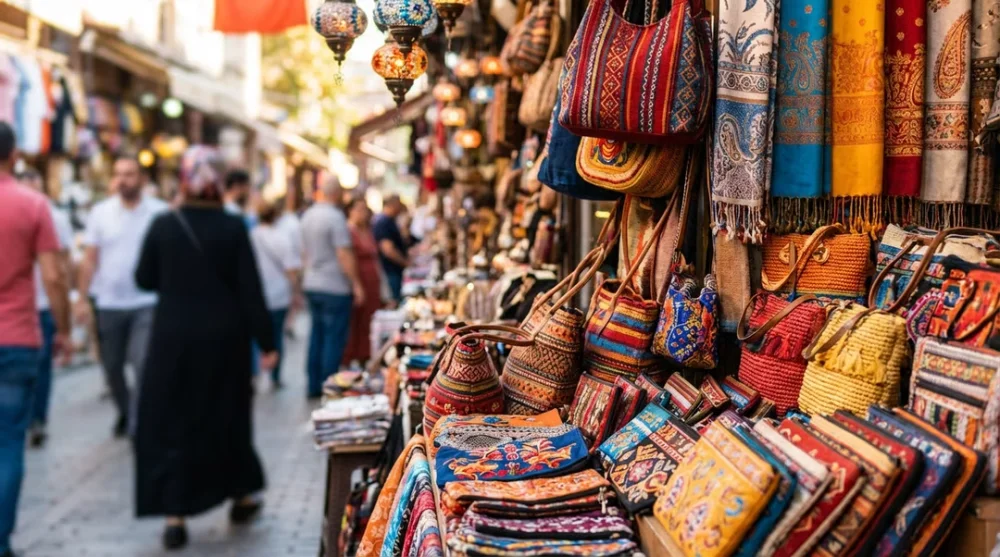
Buying counterfeit goods is illegal in many Western countries. While Turkish customs rarely stop tourists from leaving with a fake bag, customs officers in the US, UK, or EU take a stricter view. If you are caught entering your home country with counterfeit items, you risk confiscation and fines. Shop at your own risk and treat these items as fun souvenirs rather than serious investments.
Avoid Common Tourist Traps
While most shopkeepers are honest tradesmen trying to make a living, bad actors exist. Be wary of the Currency Switch. Always confirm whether the price discussed is in Dollars, Euros, or Turkish Lira. A price that sounds like a bargain in Lira is a rip-off if they charge your card in Euros.
Another common tactic is the Helpful Stranger. A friendly local approaches you on the street, offers to help you find a landmark, and coincidentally leads you to their cousin's shop. It is polite to decline these offers firmly and continue on your own route.
Payment and Tax-Free Shopping
Most shops in Kusadasi accept credit cards, US Dollars, and Euros. However, paying in cash often gives you extra leverage during negotiations. For smaller purchases or dining, having some local currency is useful. You can read more about general logistics in our Turkey travel guide.
If you make a significant purchase like a leather jacket or a carpet, ask for Tax-Free paperwork. This allows you to claim back the Value Added Tax (VAT) at the customs office before you leave the country. You need your passport and the official invoice to process this.
![Orca Whale Watching in Washington: The Ultimate [year] Guide (Seattle & San Juan Islands)](https://www.rotasenin.com/uploads/2026/01/washington-best-time-to-see-orca-whale-watching.webp)
![10 Cheapest Places for Skydiving in the World ([year] Price Guide)](https://www.rotasenin.com/uploads/2026/01/cheapest-skydiving-destinations-cuautla-mexico.webp)
![Museumplein Amsterdam: Things to Do, Museums & Events ([year])](https://www.rotasenin.com/uploads/2026/01/museumplein-amsterdam-three-museums.webp)


Comments (0)
Sign in to comment
Report