Stepping into Zion National Park feels like entering a cathedral carved from stone. The towering sandstone cliffs, painted in shades of cream, pink, and red, create a landscape that is as intimidating as it is beautiful. While millions of visitors flock here to see these views, the real magic happens when you leave the pavement and hit the trails. However, visiting Utah's most popular park requires strategy. The crowds can be overwhelming, and the logistics of shuttles and permits can catch unprepared travelers off guard.
If you are planning a road trip across the United States, Zion is likely high on your list. To help you navigate this red rock wonderland without the stress, we have compiled the ultimate guide to the best hikes and essential planning tips.
- Park Access: Private vehicles are restricted in the main canyon during most of the year; you must use the mandatory shuttle system.
- Permits: Required for Angels Landing and certain wilderness routes like The Subway.
- Best Seasons: Spring and Fall offer the most comfortable temperatures for hiking.
- Pets: Generally not allowed on trails, with the exception of the Pa'rus Trail.
Things to Know Before You Go
Zion is not a park where you can just drive up to a trailhead and start walking. The sheer popularity of the canyon has led to strict management systems. Understanding these logistics is the key to a smooth trip.
The Zion Shuttle System Explained
During the peak season, the Zion Canyon Scenic Drive is closed to private vehicles. You must park your car at the Visitor Center or in the town of Springdale and take the free shuttle. There are two loops. The Springdale Line picks up visitors from town and drops them at the park entrance. The Zion Canyon Line takes you from the Visitor Center deeper into the park to trailheads like Angels Landing and The Narrows.
Pro Tip: Parking at the Visitor Center usually fills up very early in the morning. If you arrive later, save time by parking in Springdale and taking the town shuttle or walking across the pedestrian bridge entrance.
How to Get an Angels Landing Permit
The days of spontaneously hiking Angels Landing are over due to safety and crowding concerns. You now need a permit to hike the chain section at the top. These are distributed via a lottery system.
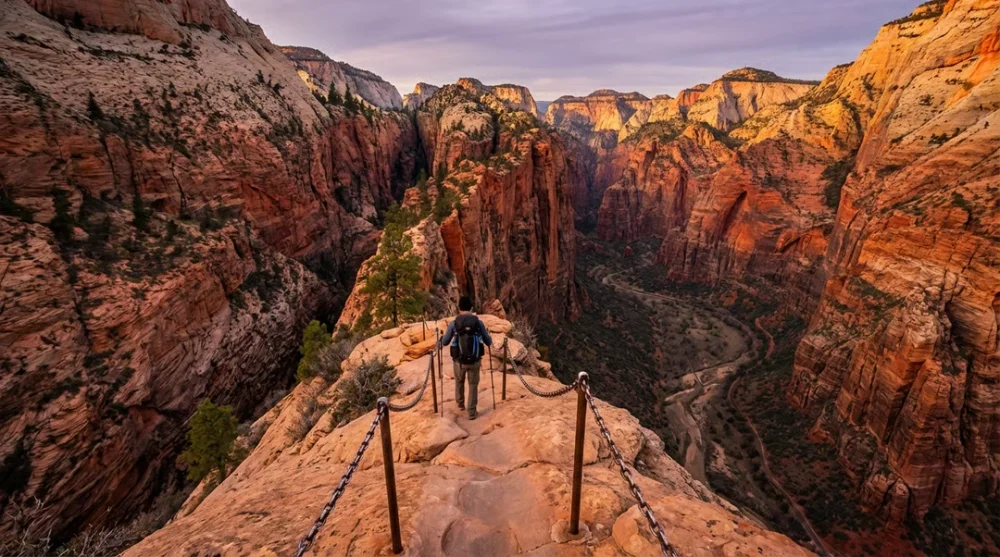
There is a seasonal lottery that opens months in advance and a day-before lottery for last-minute trips. Always check the official National Park Service website for the current lottery schedule before you pack your bags.
Flash Flood Safety
Slot canyons like The Narrows are incredibly dangerous during rain. Storms miles away can cause water levels to rise instantly. Always check the flash flood potential at the Visitor Center before entering any canyon. If the risk is moderate or high, do not enter the slot canyons.
Best Hikes in Zion National Park
We have categorized the trails by difficulty and experience so you can build the perfect itinerary.
For the Adrenaline Seekers (Strenuous Hikes)
These trails are physically demanding and require mental fortitude, but the rewards are unmatched.
Angels Landing: This is the park's most famous and infamous trail. After a grueling set of switchbacks known as Walter's Wiggles, you reach Scout Lookout. From here, those with permits continue along a knife-edge ridge with steep drop-offs on both sides, supported only by heavy chains. The view from the top is a 360-degree panorama of the canyon floor that makes every trembling step worth it. If you are afraid of heights, stopping at Scout Lookout still offers incredible views without the terror of the final ascent.
The Narrows (Bottom-Up): This is not a traditional trail; the Virgin River is the trail. You will be hiking in water that can range from ankle-deep to chest-deep. The canyon walls shoot up thousands of feet, creating a cool, shadowed corridor. You do not need a permit for the standard Bottom-Up hike starting from the Temple of Sinawava.
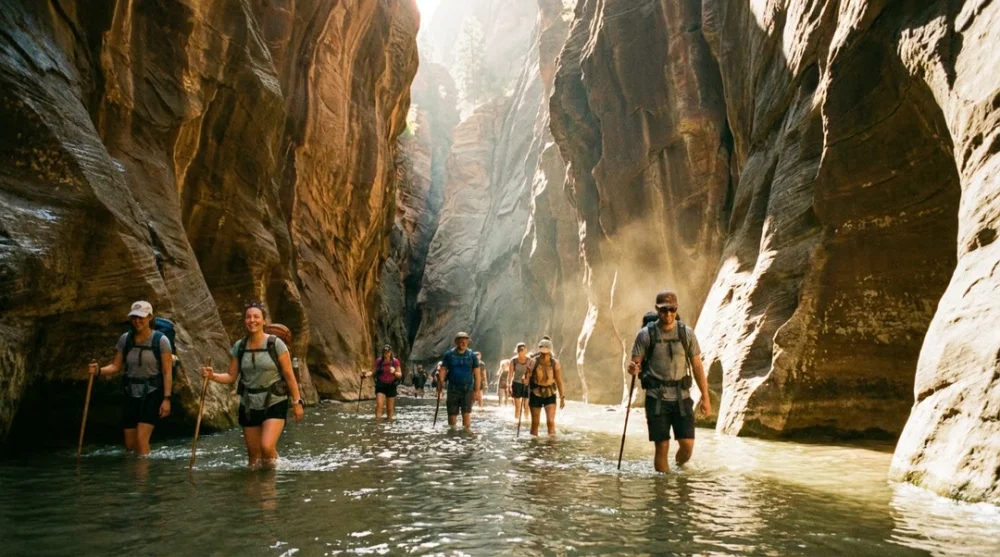
Essential Gear: You will need sturdy footwear. Walking on slippery river rocks is like walking on bowling balls. Renting a wooden hiking stick, neoprene socks, and canyon shoes from an outfitter in Springdale is highly recommended.
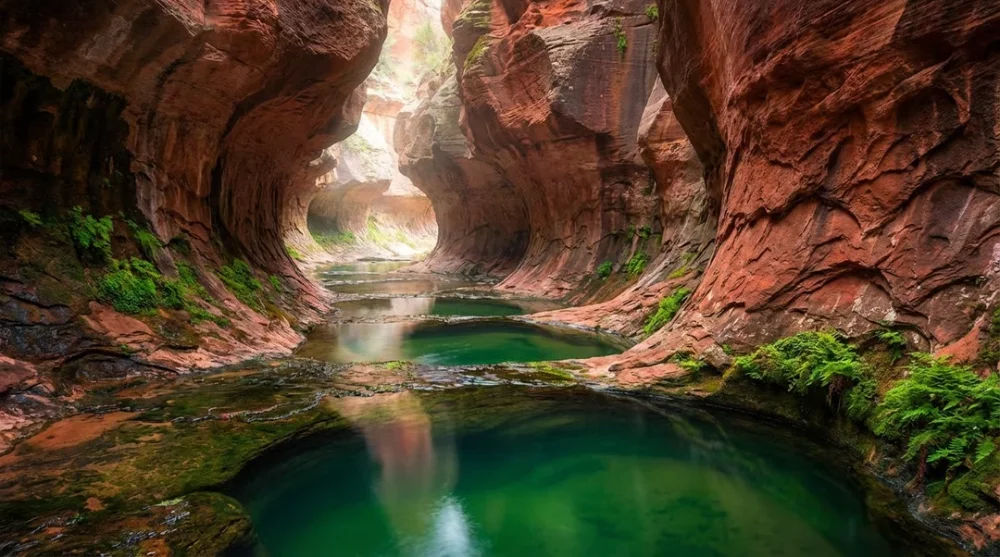
The Subway (Left Fork): This constitutes a wilderness trek that requires technical skills, route finding, and a permit. The cylindrical tunnel formation resembles a subway station, hence the name. It is a bucket-list adventure for experienced hikers who want to escape the crowds of the main canyon.
Best Views for Moderate Effort
You do not always have to risk your life to see the park's beauty. These trails offer high rewards for a moderate amount of work.
Canyon Overlook Trail: This is arguably the best bang-for-your-buck hike in the park. Located on the east side of the Zion-Mount Carmel Tunnel, this short trail leads to a viewpoint that rivals Angels Landing. Parking is extremely limited here, so try to arrive at sunrise or sunset. The drive itself, through the historic tunnel, is an attraction on its own.
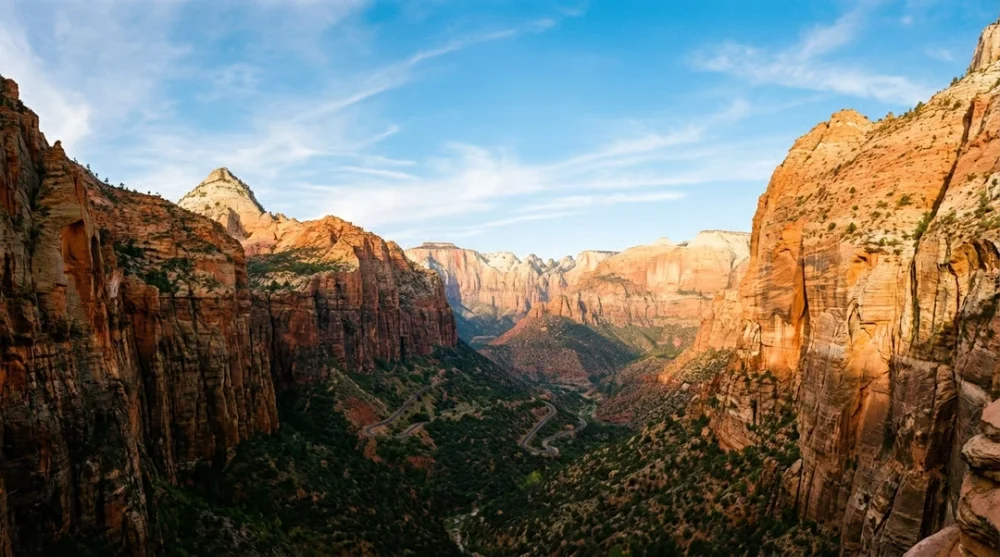
Observation Point (via East Mesa Trail): Many locals argue that the view from Observation Point is superior to Angels Landing because you are actually looking down on Angels Landing. While the classic trail from the canyon floor is often closed due to rockfall, the route from the East Mesa Trailhead on the plateau is easier and flatter, though it requires driving to a dirt road trailhead outside the main park entrance.
Watchman Trail: Starting near the Visitor Center, this trail takes you up to a viewpoint overlooking the lower canyon and the town of Springdale. It is completely exposed to the sun, so it is best done in the morning or evening. The sunset light hitting the Watchman peak is a photographer's dream.
Hidden Gems in Kolob Canyons & Connectors
Most visitors never leave the main canyon, missing out on the spectacular and quieter Kolob Canyons district located off Interstate 15.
Taylor Creek (Middle Fork): Located in the Kolob Canyons section, this trail offers a completely different vibe from the main canyon. The trail follows a creek upstream, requiring numerous stream crossings (usually easy to hop over). It leads you past two historic homestead cabins to the Double Arch Alcove, a massive colorful grotto. It is a peaceful, moderate hike perfect for escaping the shuttle crowds.
Timber Creek Overlook: If you made the drive to Kolob Canyons, this short trail at the end of the scenic drive is a must. It is an easy stroll along a ridge line that offers expansive views of the Kolob Terrace. On a clear day, you can see all the way to Mt. Trumbull on the north rim of the Grand Canyon. It is arguably the best spot in the entire park for sunset.
The Kayenta Trail: Often overlooked as just a connector trail, the Kayenta Trail is a gem in its own right. It connects the Emerald Pools to the Grotto (the start of Angels Landing). Unlike the paved Emerald Pools trail, this is an unpaved, rugged path that hugs the canyon wall, offering constant, unobstructed views of the Virgin River below. Combining the Upper Emerald Pools with the Kayenta Trail creates a fantastic loop hike.
Easy & Family Friendly Trails
If you are traveling with kids or just want a relaxing stroll, Zion has excellent options.
Riverside Walk: This paved path leads from the Temple of Sinawava to the start of The Narrows. Hanging gardens, weeping walls, and the rushing Virgin River make this a refreshing walk, especially in the heat of summer. It is wheelchair accessible and perfect for all ages.
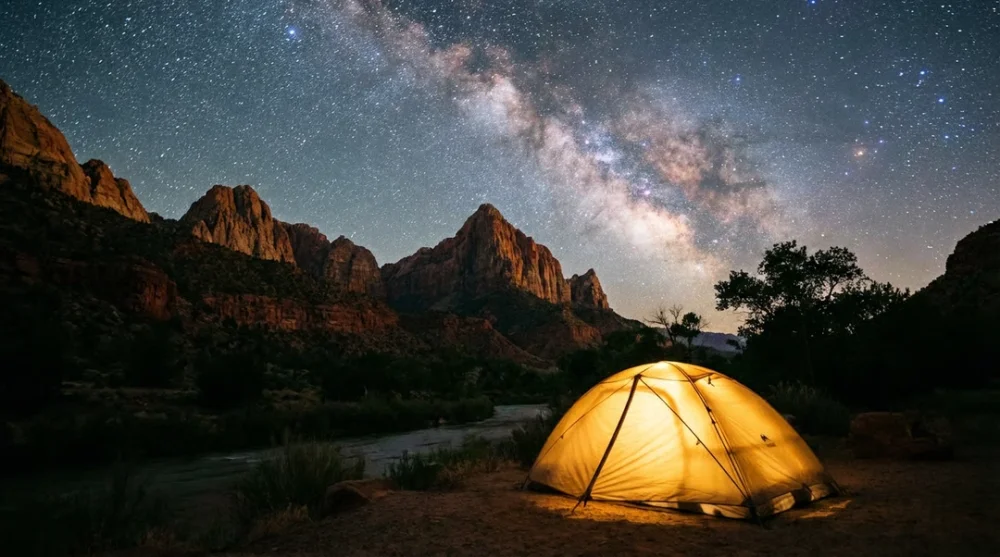
Pa'rus Trail: This is the only trail in the park that allows bicycles and pets. It follows the river from the Visitor Center to Canyon Junction, offering iconic views of the peaks without any elevation gain. It is a fantastic spot for stargazing or a late afternoon bike ride.
Lower Emerald Pools: A lush oasis in the desert, this trail leads to waterfalls that cascade over the cliffs. You can walk behind the waterfalls for a unique perspective. If you want more exercise, you can continue up to the Middle and Upper Emerald Pools, where the crowds thin out and the views open up.
Best Time to Visit Zion National Park
Choosing when to go can make or break your experience.
Spring: The waterfalls are flowing, and the weather is pleasant. However, snowmelt can make The Narrows closed due to high water levels.
Summer: Expect searing heat and large crowds. If you visit in summer, start your hikes at dawn.
Fall: This is widely considered the best time to visit. The temperatures cool down, and the cottonwood trees turn a brilliant gold, contrasting beautifully with the red rocks.
Winter: The park is quiet and peaceful. Snow against the red cliffs is stunning. The shuttle does not run for most of the winter, allowing you to drive your own car into the canyon, which is a rare luxury.
Where to Stay in Zion
Springdale: Located right at the park's entrance, Springdale is the most convenient place to stay. It is filled with hotels, restaurants, and outfitters. You can leave your car at your hotel and take the town shuttle to the park.
Zion Lodge: This is the only lodging inside the park. Staying here allows you to wake up in the middle of the canyon, but reservations must be made far in advance.
Camping: The Watchman Campground and South Campground are located near the Visitor Center. Spots are fiercely competitive. For a more rugged experience, Lava Point Campground is located on the higher Kolob Terrace road, away from the main canyon heat.
Practical Tips for Your Trip
Hydration is Key: The desert air evaporates sweat quickly, so you might not realize how much water you are losing. Carry more water than you think you need.
Time Zones: Utah is in the Mountain Time Zone.
If you are driving from Nevada (Pacific Time) or need to coordinate arrival times, it is helpful to check what states are 3 hours ahead of California or how the time change affects your schedule.
Packing: Layers are essential. The desert can be freezing in the morning and scorching by noon. For a comprehensive list of what to bring, our travel tips guide covers the essentials for any major trip.
Zion National Park is a place that demands to be explored on foot. Whether you are gripping the chains on Angels Landing or wading through the cool waters of The Narrows, the memories you make here will be etched in your mind as deeply as the canyon itself. Treat the land with respect, plan ahead for permits, and enjoy one of the most spectacular landscapes on earth.


![Seychelles Trip Cost: Detailed Budget Breakdown [year]](https://www.rotasenin.com/uploads/2026/02/self-catering-guesthouse-tropical-garden-veranda.webp)
Comments (0)
Sign in to comment
Report