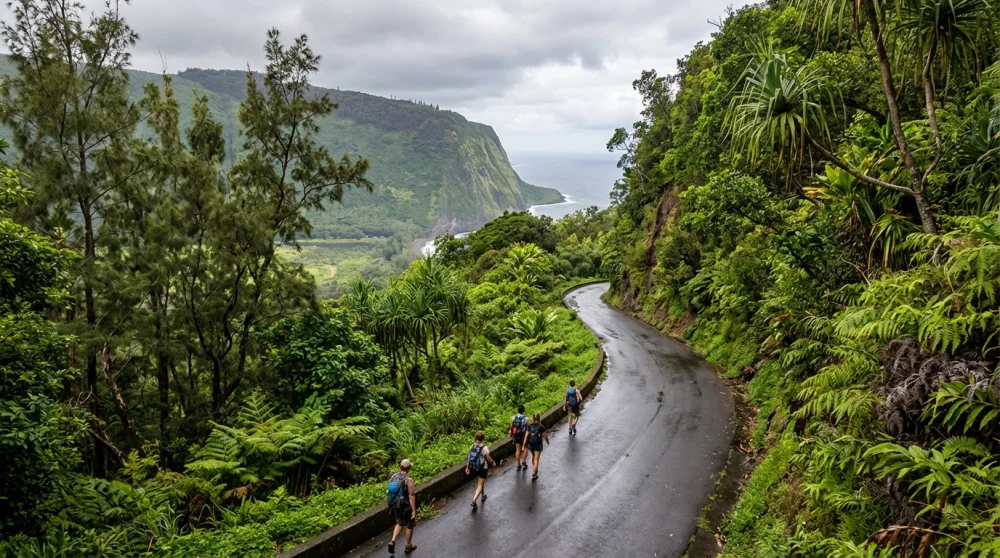
The Big Island is not just an island; it is a continent in miniature. You can start your day watching the sunrise from a snowy mountain peak, spend the afternoon hiking across a solidified lava lake, and end the day snorkeling with manta rays in tropical waters. While other Hawaiian islands offer relaxation, the Big Island offers raw adventure.
Planning a trip here requires strategy because the island is massive - larger than all other Hawaiian islands combined. We have curated the ultimate list of experiences to help you prioritize, from the rainy jungles of Hilo to the sunny lava fields of Kona.
Witness the Power of Pele at Hawaii Volcanoes National Park
No trip to the Big Island is complete without visiting this UNESCO World Heritage site. It serves as the home of Kilauea and Mauna Loa, two of the world's most active volcanoes. Unlike other parks where you look at scenery from a distance, here you walk directly on it.
Start your journey at the Kilauea Visitor Center to check the current eruption status. If the lava is flowing, the park stays open 24 hours, allowing you to see the mesmerizing glow after dark. For a day hike, the Kilauea Iki Trail is unbeatable. You descend through a lush rainforest directly into a solidified lava lake, still steaming from vents in the ground.
Make sure to walk through the Thurston Lava Tube (Nahuku), a massive tunnel formed by a river of molten lava 500 years ago. Afterward, drive down the Chain of Craters Road to see how ancient lava flows have swallowed paved roads and added new land to the island. Entry requires a pass, but the experience of standing on the edge of creation is priceless.
Chase the Magnificent Waterfalls
The windward (Hilo) side of the island receives significant rainfall, resulting in some of the most spectacular waterfalls in the Pacific. You do not need to hike for hours to see them; some are easily accessible right off the road.
Your first stop should be the legendary Rainbow Falls. Best visited in the early morning, this 80-foot cascade is famous for the rainbows that form in the mist when the sun hits it at the right angle. It is easily one of the most iconic spots in Hilo. For a deeper dive into this specific location, read our detailed guide on Rainbow Falls.
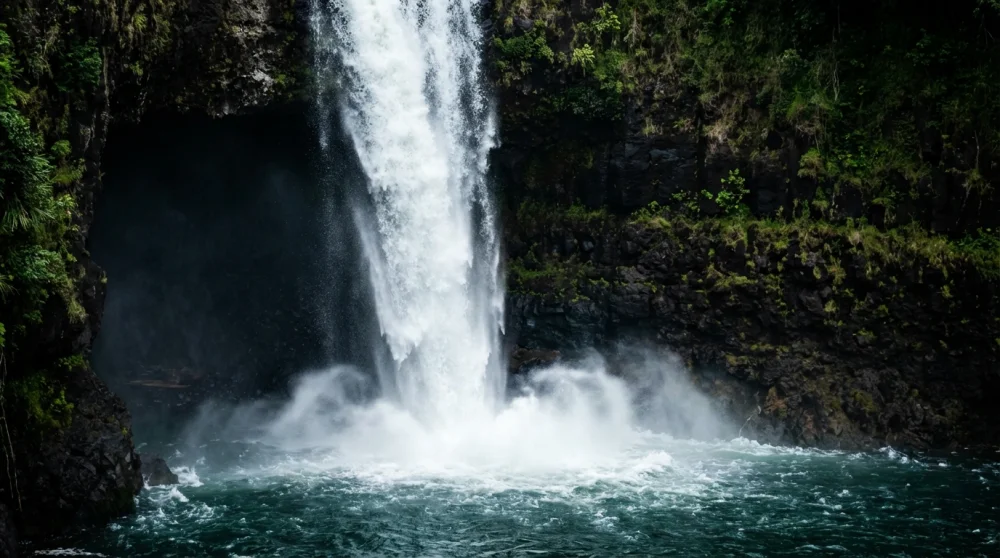
If you want to explore more cascades, including the towering Akaka Falls which drops 442 feet into a stream-eroded gorge, check out our complete list of Big Island Hawaii Waterfalls. Just upstream from Rainbow Falls, you can also witness the power of Pe'epe'e Falls and Boiling Pots, where the river churns violently through lava pools. For thrill-seekers, the Umauma Falls offers a unique perspective via a zipline course over triple-tiered cascades.
Explore the Sacred Valleys
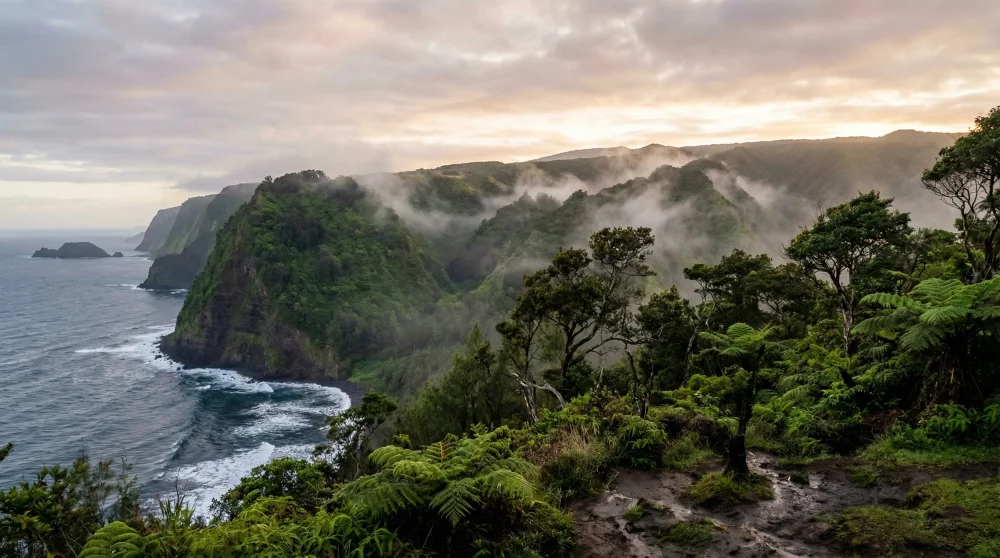
The Big Island's north shore is defined by deep, dramatic valleys carved by centuries of erosion. These valleys hold immense cultural significance for Hawaiians and offer some of the most dramatic scenery on the island.
Waipio Valley, known as the Valley of the Kings, was the boyhood home of King Kamehameha I. While the steep access road is currently closed to rental cars and pedestrians due to safety concerns, the view from the lookout remains one of the most photographed spots in Hawaii. You can learn more about the history and current access rules in our Waipio Valley guide.
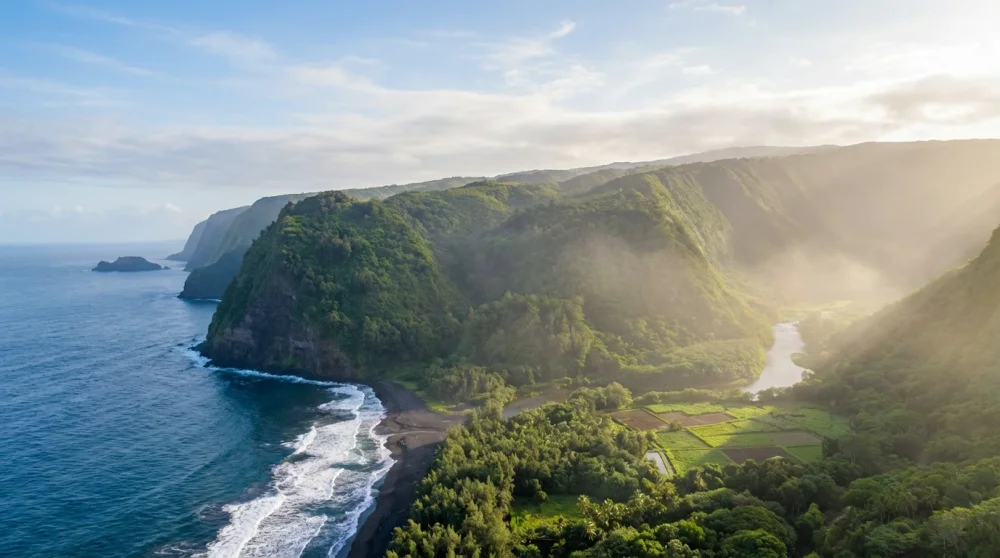
For those willing to work for their views, Pololu Valley offers a stunning alternative. The hike down is short but steep, leading you to a black sand beach backed by ironwood trees. Swimming is dangerous here due to currents, but the scenery is unmatched. Plan your hike with our tips on Pololu Valley.
Taste the World-Famous Kona Coffee
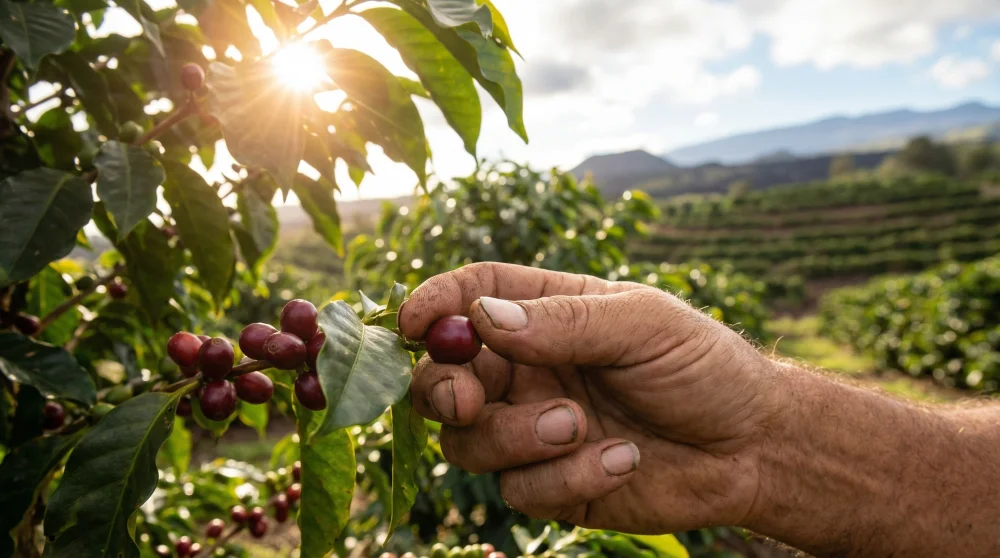
The volcanic soil and unique microclimate of the Hualalai and Mauna Loa slopes create the perfect conditions for growing some of the best coffee in the world. Driving along the Mamalahoa Highway, you will pass dozens of small family-owned farms.
Do not settle for the 10% Kona Blends you see in supermarkets. Visit a coffee farm to taste 100% pure Kona coffee. Many estates offer free tours where you can see the process from bean to cup. It is a fantastic way to support local agriculture and pick up authentic souvenirs. We have compiled a list of the best estates to visit in our article on Kona Coffee Farms.
Snorkel and Ocean Adventures
This is often voted as one of the top travel experiences in the world. Just off the coast of Kona, snorkeling with manta rays at night is unforgettable. Giant rays gather to feed on plankton attracted by underwater lights, performing underwater ballets inches from your face.
For daytime adventures, head to Two Step (Honaunau Bay) for some of the clearest water and healthiest coral reefs. You can also kayak to the Captain Cook Monument in Kealakekua Bay, a pristine marine sanctuary. If you are visiting between December and April, whale watching is a must, as thousands of Humpback whales migrate to these warm waters.
Relax on Unique Sand Beaches
Hawaii is famous for white sand, but the Big Island offers a spectrum of colors thanks to its volcanic origins.
- Punalu’u Black Sand Beach: Located on the south shore, this is the most famous black sand beach in Hawaii. The jet-black sand is created by hot lava hitting the ocean and shattering. You will often find Hawaiian Green Sea Turtles (Honu) resting here. Remember: Keep a distance of at least 10 feet from the turtles.
- Papakōlea Green Sand Beach: One of only four green sand beaches in the world. The sand gets its olive hue from olivine crystals found in the surrounding cinder cone. It requires a hot, dusty 2.5-mile hike (one way) or a ride from a local shuttle, but the payoff is a beach unlike any other.
- Hapuna Beach: If you crave classic tropical vibes, Hapuna on the Kohala Coast offers a half-mile of soft white sand and perfect swimming conditions.
- Magic Sands Beach: A fun spot in Kona where the sand can disappear overnight during high surf and return later, hence the name Magic. It is excellent for bodyboarding.
Cultural and Local Experiences
Immerse yourself in history at Pu'uhonua o Hōnaunau National Historical Park, an ancient Place of Refuge for lawbreakers who were spared the death penalty if they reached this sacred ground. For a colorful slice of history, visit the Painted Church (St. Benedict’s), featuring 3D-style frescoes painted in 1899.
To experience local life, stop by the Hilo Farmers Market on a Wednesday or Saturday to taste exotic fruits like dragon fruit and longan. Nature lovers should also explore the Hawaii Tropical Bioreserve and Garden, a living museum of thousands of exotic plants, or venture into the Kaumana Caves, a massive lava tube near Hilo open for free exploration.
Stargazing at Mauna Kea
Mauna Kea is the tallest sea mountain in the world and arguably the best place on Earth for astronomy. The summit sits at nearly 14,000 feet, above 40% of the Earth's atmosphere.
You can drive a 2WD car to the Onizuka Center for International Astronomy (VIS) at 9,200 feet. Here, park rangers often set up telescopes for free stargazing programs. The milky way looks so bright it casts a shadow.
If you plan to go to the summit for a sunset viewing, you must have a true 4WD vehicle (not just AWD). The air is thin, and altitude sickness is real. We recommend stopping at the VIS for at least 45 minutes to acclimatize before ascending. Sunset from the summit is a spiritual experience.
Practical Tips for Your Trip
- Rent a Car: Public transport is limited. To see the hidden gems mentioned above, a rental car is essential. A Jeep is recommended if you plan to tackle steep terrain or the Mauna Kea summit.
- Two Bases Strategy: The island is too big to see from one hotel. We suggest spending half your trip on the Kona side (for beaches, coffee, and sun) and half on the Hilo side (for waterfalls, volcanoes, and lush nature).
- Respect the Land: The concept of Malama Aina (caring for the land) is vital. Use reef-safe sunscreen, do not take rocks or sand home, and respect local communities.
![10 Cheapest Places for Skydiving in the World ([year] Price Guide)](https://www.rotasenin.com/uploads/2026/01/cheapest-skydiving-destinations-cuautla-mexico.webp)
![Museumplein Amsterdam: Things to Do, Museums & Events ([year])](https://www.rotasenin.com/uploads/2026/01/museumplein-amsterdam-three-museums.webp)
Comments (0)
Sign in to comment
Report