Most travelers imagine endless sunshine when they think of Florida. While the nickname Sunshine State is well-earned, the reality involves sudden tropical downpours, intense humidity and a distinct hurricane season that can disrupt even the most carefully planned vacations. Knowing exactly when to visit depends heavily on your tolerance for heat and crowds.
This guide breaks down the weather patterns, crowd levels and seasonal nuances to help you choose the perfect window for your trip.
When Should You Go?
If you want the perfect balance of warm weather and manageable crowds, plan your trip for spring (late March to May) or fall (October to November). During these months, the humidity drops to comfortable levels and the risk of hurricanes is significantly lower compared to late summer.
For travelers looking to save money, late August through September often offers the lowest rates on accommodation and flights. However, you must be prepared for daily thunderstorms and keep a close eye on the tropical storm forecast.
Understanding Florida Weather by Season
Florida is huge and the weather varies drastically depending on whether you are in the panhandle or down in the Keys. Unlike many other destinations, seasons here are defined more by rainfall and humidity than by temperature changes.
Spring (March - May)
Spring is arguably the most pleasant time to explore the state. The winter chill in the north dissipates and the humidity of summer has not yet set in. You can enjoy long days at the beach without the oppressive heat that characterizes later months.

Water temperatures in the Gulf of Mexico and the Atlantic Ocean become inviting for swimming and water sports. This is also the prime season for festivals and outdoor events before the summer rains begin. Keep in mind that spring break can bring significant crowds to coastal areas, so booking early is essential if you plan to visit popular beach towns during school holidays.
Summer (June - August)
Summer in Florida is intense. Temperatures soar and the humidity can make it feel much hotter than the thermometer reads. You should expect afternoon thunderstorms almost every day. These storms are usually brief but heavy, often clearing up in time for a spectacular sunset.
This season requires a different strategy. Plan your outdoor activities for the early morning and reserve the afternoons for museums, shopping or indoor attractions. If you are visiting theme parks in Orlando, this is a great time to take advantage of water parks to cool off. Despite the heat, summer remains a peak travel time for families, so popular attractions will be busy.
Fall (September - November)
As school starts and family travelers return home, Florida quiets down. September is still very warm and active regarding tropical storms, but by October, the air dries out and evenings become cooler.

This period is excellent for outdoor enthusiasts who want to hike, camp or kayak without battling the extreme summer sun. The ocean remains warm enough for swimming well into November, especially in southern parts of the state. It is often considered a hidden gem season by locals who enjoy the beaches after the summer crowds have dispersed.
Winter (December - February)
Winter brings a clear divide between North and South Florida. While Miami and the Keys remain warm and tropical, cities like Jacksonville or Pensacola can see temperatures drop significantly, sometimes even reaching freezing at night.
This is the peak season for visitors escaping colder climates, often referred to as snowbirds. Traffic increases and popular destinations bustle with activity. If you love wildlife, this is the best time to see manatees seeking warmer waters in the springs and power plant discharge canals. For beach lovers, sticking to the southern half of the state ensures you get that classic warm vacation experience.
Navigating Hurricane Season
Hurricane season officially runs from June 1 through November 30. This does not mean you should avoid Florida entirely during these six months, but it does require awareness. The peak activity typically occurs between mid-August and late September.
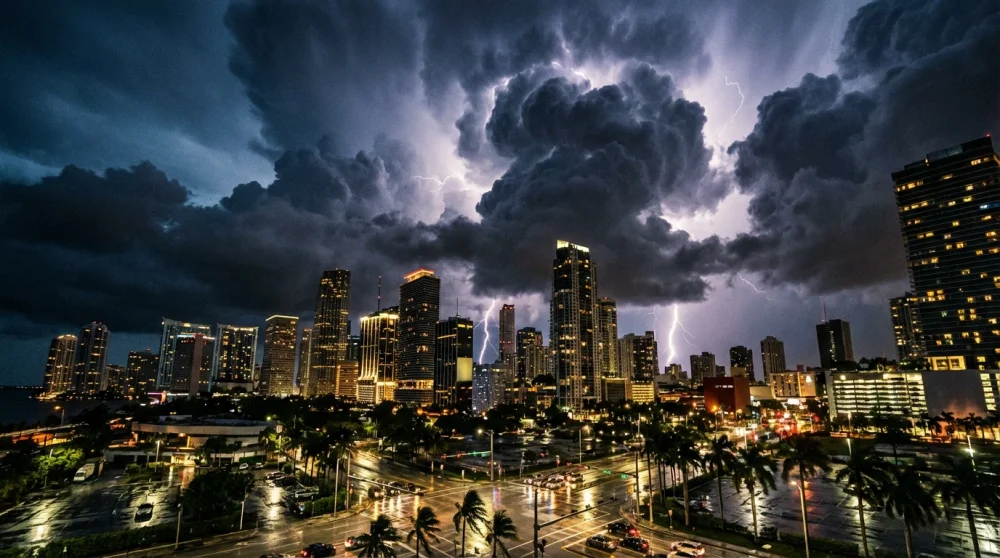
Traveling during this time means you must stay flexible. Modern forecasting provides ample warning for major storms, allowing you to adjust plans if necessary. We highly recommend purchasing travel insurance that covers weather-related cancellations if you book a trip during the peak hurricane months. Most days are perfectly sunny, but being prepared offers peace of mind.
Regional Weather Differences
Florida is not a single climate zone. Understanding regional variations helps you pack the right gear.
- North Florida (Panhandle, Jacksonville): Has distinct seasons. Winters can be cold and you might need a jacket. Summers are hot but slightly less humid than the south.
- Central Florida (Orlando, Tampa): The thunderstorm capital. Summer storms here are clockwork. Winters are mild but can have chilly mornings.
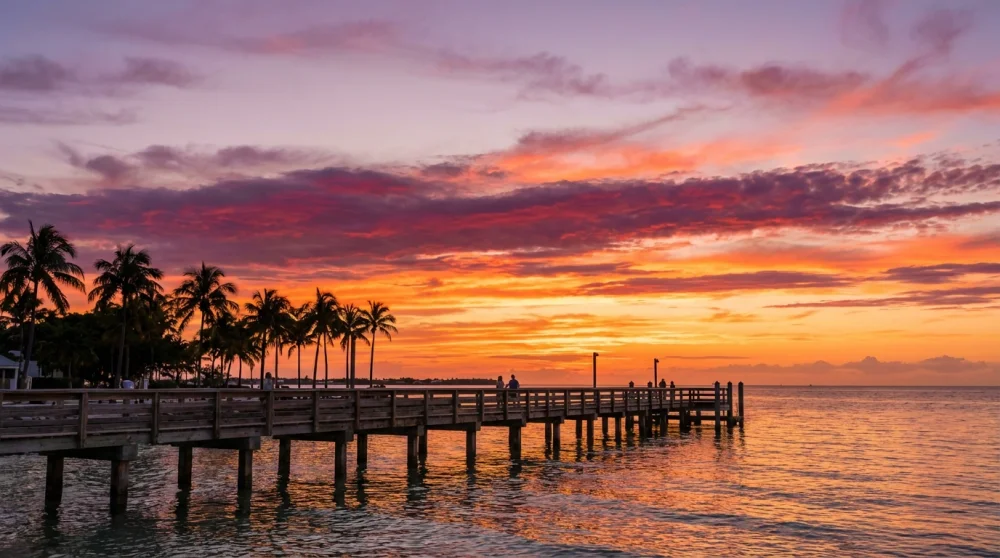
- South Florida (Miami, The Keys): True tropical climate. Winters are rarely cold. Summers are hot and humid. The water stays warm year-round.
Avoiding the Crowds
Finding a quiet spot in Florida is possible if you know when to look. The busiest times align with school calendars: winter break, spring break and summer vacation.
To experience the major attractions with shorter lines and less congestion, target the weeks immediately after major holidays. Early May and late September are traditionally slower periods. Visiting mid-week rather than on weekends also makes a significant difference at theme parks and popular springs.
Exploring state parks and lesser-known barrier islands instead of famous beaches is another pro tip for escaping the masses. Places like Florida Keys often have quiet corners even during busy seasons if you venture away from the main highway.
Final Thoughts on Planning Your Trip
Florida welcomes visitors year-round with its unique charm. Whether you chase the vibrant energy of summer or the relaxed breeze of winter, the key to a successful trip lies in preparation. Check the local forecast, pack light layers for fluctuating temperatures and respect the power of the tropical sun.
![10 Cheapest Places for Skydiving in the World ([year] Price Guide)](https://www.rotasenin.com/uploads/2026/01/cheapest-skydiving-destinations-cuautla-mexico.webp)
![Museumplein Amsterdam: Things to Do, Museums & Events ([year])](https://www.rotasenin.com/uploads/2026/01/museumplein-amsterdam-three-museums.webp)


Comments (0)
Sign in to comment
Report