Big Island isn't just about massive volcanoes and black sand beaches; it is also the kingdom of waterfalls. If you are staying on the Hilo side or planning a road trip along the Hamakua Coast, you are in for a treat because this is where the magic happens. The lush rainforests here, fed by the trade winds, create some of the most spectacular drops in Hawaii.
However, chasing waterfalls here isn't always straightforward. Some are on private land, some are dangerous to swim in due to flash floods, and others require a permit. This guide cuts through the noise to help you plan your itinerary safely and efficiently.
To help you decide quickly, here is a breakdown of the spots we will cover:
- Akaka Falls: Hilo Side | Viewing Only | Easy Walk
- Rainbow Falls: Hilo Town | Viewing Only | Drive-up
- Kulaniapia Falls: Hilo Side | Swimming Allowed | Private (Pass Required)
- Hi’ilawe Falls: Waipi’o Valley | Viewing Only | Difficult/Restricted
- Umauma Falls: Hamakua Coast | Swimming Allowed | Private (Paid Entry)
- Pe’epe’e Falls: Hilo Side | Viewing Only | Dangerous Water
The 'Must-See' Giants (Easy Access & Viewpoints)
If you are short on time or traveling with family, these waterfalls offer the highest reward for the least amount of effort. You don't need hiking boots for these; comfortable sneakers will do just fine.
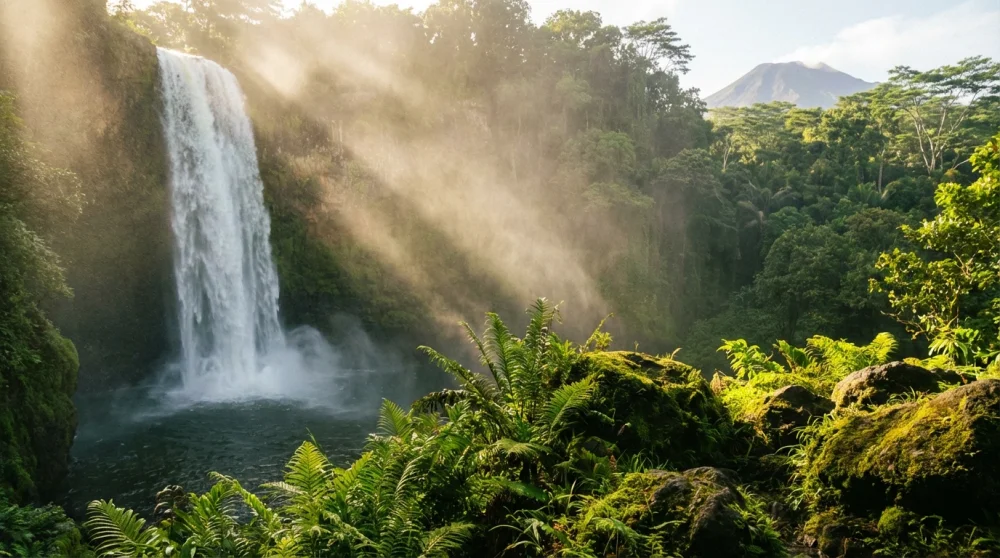
Akaka Falls
This is the quintessential Hawaiian waterfall experience. Towering at 442 feet, Akaka Falls is more than twice as tall as Niagara Falls. It is located within the Akaka Falls State Park, about 11 miles north of Hilo.
The loop trail here is paved and only 0.4 miles long, taking you through a dense rainforest filled with wild orchids, bamboo groves, and ferns. It is a loop, so you won't have to backtrack.
Entrance Fee & Parking: As of [year], entry for non-residents is $5 per person, and parking is $10 per vehicle. You must pay at the kiosk (credit cards only).
Pro Tip: Arrive before 10:00 AM to beat the tour buses. The lot fills up quickly.
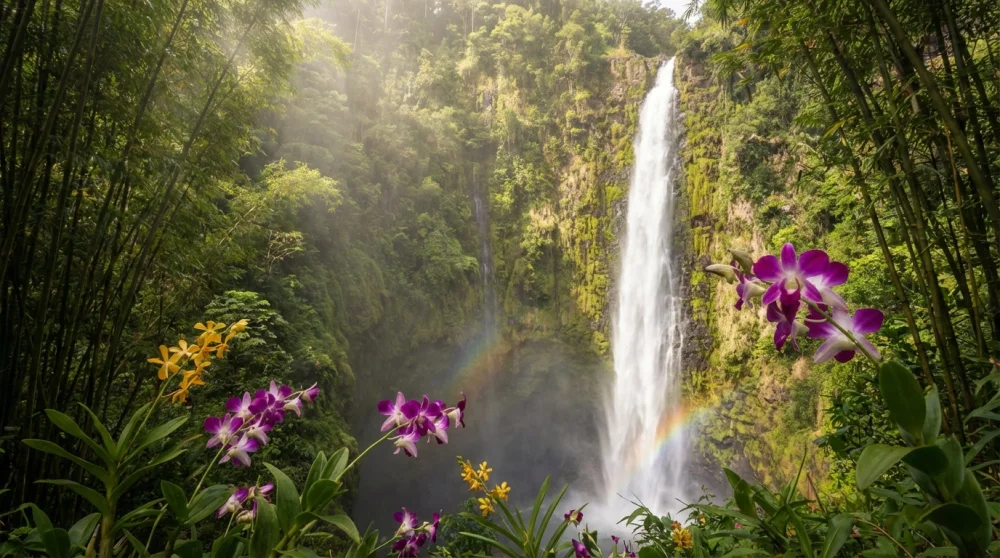
Rainbow Falls (Waiānuenue)
Located right within Hilo town, this is the most accessible waterfall on the island. You can literally park your car and see the 80-foot drop within a minute.
The name comes from the rainbows that appear in the mist on sunny mornings. To catch this phenomenon, you need to be there around 10:00 AM on a sunny day.
Safety Note: Do not attempt to swim above the falls or climb the rocks. The currents are deceptive.
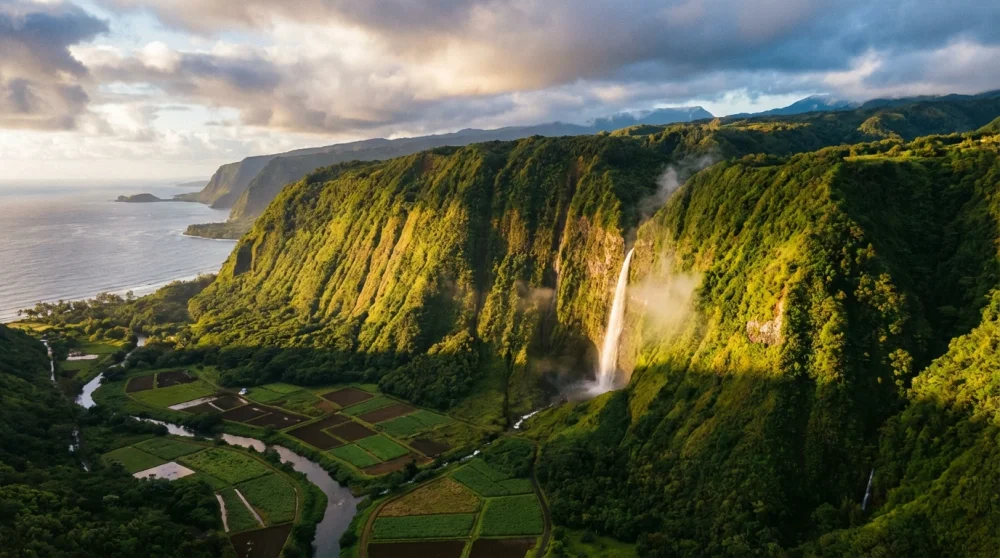
Pe'epe'e Falls & Boiling Pots
Just 1.5 miles upstream from Rainbow Falls, you will find Pe'epe'e Falls feeding into the famous Boiling Pots. These are terraced pools where the water churns and bubbles like a boiling pot, especially after heavy rain.
While it looks inviting, swimming here is extremely dangerous. The pots are actually underwater lava tubes that can create strong suction. Enjoy the view from the safety of the lookout point.
Swimmable Waterfalls in Big Island (Where to Take a Dip)
This is the question everyone asks: Where can I actually swim? Due to safety concerns and private property laws, the list is shorter than you might expect, but the quality is high.
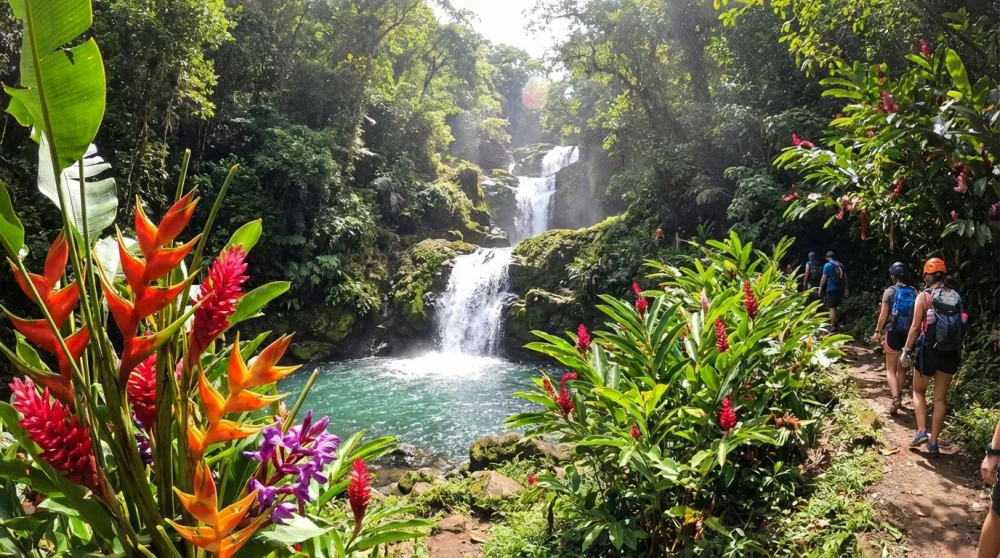
Kulaniapia Falls
If you want a safe, legal, and crowd-free swimming experience, this is your best bet. Kulaniapia Falls is a private 120-foot waterfall located on the property of the Kulaniapia Inn.
Unlike public spots, they limit the number of daily visitors, so you often have the massive pool almost to yourself. You need to purchase a Day Pass (approx. $49) to access the property.
Why it is worth it: The pass includes access to miles of trails, bamboo gardens, and the option to rent kayaks or paddleboards. It is safe, managed, and stunningly beautiful.
[img src="uploads/[year]/01/kulaniapia-falls-swimming-access.webp cp=Kayaking and swimming at the base of Kulaniapia Falls is safe and allowed with a day pass. name=kulaniapia-falls-swimming-access\]
Umauma Falls
Located on the Hamakua Coast, Umauma Falls is a triple-tier waterfall that is also on private land. You cannot hike to it for free, but the Umauma Experience offers tours.
You can view the falls from a garden lookout, but if you want to get wet, you can book a River Swim & Kayak tour. They also offer ziplining over the falls, which gives you a perspective you cannot get from the ground.
Entrance Fee: Just to view the falls and walk the garden, it costs about $12. Activities cost extra.
Hike-To Waterfalls (For the Adventurers)
For those willing to put in a bit more effort for a rugged view.
Hi'ilawe Falls (Waipi'o Valley)
This is the crown jewel of the Big Island, dropping over 1,450 feet in the back of Waipi'o Valley. It is one of the tallest waterfalls in Hawaii.
Critical Update: Access to the Waipi'o Valley road is currently restricted to residents and authorized tour operators due to road safety conditions. You cannot drive your rental car down, and walking down the steep road is often discouraged or restricted.
The best way to see Hi'ilawe is from the Waipi'o Valley Lookout at the top (free) or by booking a guided horseback or shuttle tour that takes you to the valley floor. Keep in mind that the waterfall itself is on private land, so you can view it from the road but cannot hike to the base without permission.
Practical Tips for Chasing Waterfalls
To make sure your waterfall hunt remains a happy memory, pay attention to these logistics.
Watch Out for Leptospirosis: This is a serious bacterial disease found in Hawaiian freshwater (streams, waterfalls, mud). It enters the body through open cuts or eyes/mouth.
- Do not drink stream water.
- Do not swim if you have open wounds.
- Rinse off with fresh water after swimming.
What to Pack
- Bug Spray: The rainforests are humid and full of mosquitoes.
- Tabis or Water Shoes: River rocks are incredibly slippery. Flip-flops will not cut it.
- Rain Jacket: It is called the wet side of the island for a reason. Rain showers are frequent but usually short.
Respect the Land (Aina): Many waterfalls are culturally significant or border private homes. If you see a No Trespassing or Kapu sign, turn back. There are plenty of legal and beautiful spots to enjoy without breaking the rules.
![10 Cheapest Places for Skydiving in the World ([year] Price Guide)](https://www.rotasenin.com/uploads/2026/01/cheapest-skydiving-destinations-cuautla-mexico.webp)
![Museumplein Amsterdam: Things to Do, Museums & Events ([year])](https://www.rotasenin.com/uploads/2026/01/museumplein-amsterdam-three-museums.webp)
Comments (0)
Sign in to comment
Report