Coffee in Hawaii is not just a morning routine; it is a lifestyle, a history, and for visitors, an absolute must-do experience. The Big Island is home to over 600 coffee farms, but finding the one that suits your schedule and budget can be overwhelming. Some are commercial giants, while others are small family-run estates that require a 4WD vehicle to reach.
If you are planning a trip to United States and landing in Hawaii, specifically the Big Island, you are likely looking for that 100% Kona Coffee experience. Whether you want to roast your own beans, walk through volcanic soil orchards for free, or step back in time, this guide breaks down the best options for you without getting bogged down in fluctuating prices.
What You Need to Know
- Best Complimentary Tour: Greenwell Farms (Walk-ins welcome)
- Best Historical Experience: Kona Coffee Living History Farm
- Best for Hands-On Roasting: Ueshima Coffee (UCC)
- Region: Most farms are located on the western slopes (Kona) or southern slopes (Ka’u) of the Mauna Loa and Hualalai volcanoes.
- Transportation: You will definitely need a rental car. Public transport does not effectively serve the coffee belt.
Kona vs. Kaʻu: Understanding the Coffee Belts
Before you start driving up the mountain, it helps to understand the landscape. The Kona Coffee Belt is the most famous region, stretching along the western coast. This area provides the perfect microclimate: sunny mornings, rainy afternoons, and mild nights. The volcanic soil here is porous and mineral-rich, which drains water efficiently—essential for premium coffee trees.
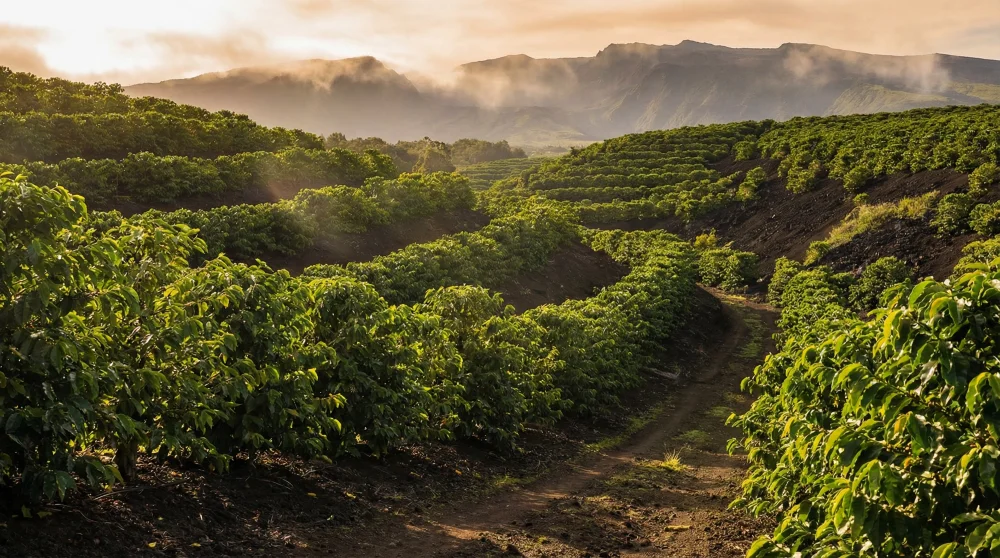
Further south, you have the Kaʻu District. While Kona gets all the global fame, Kaʻu coffee has been winning major international awards recently. The farms here are often quieter, more rustic, and offer a very different vibe from the polished tours in Kona. If you are driving towards Volcanoes National Park, a stop in Kaʻu is a smart move.
Top-Rated Complimentary Kona Coffee Tours (Budget Friendly)
You do not have to spend a fortune to see how coffee is made. Some of the most established farms offer excellent tours completely free of charge. These are great if you are short on time or traveling with a large family.
Greenwell Farms
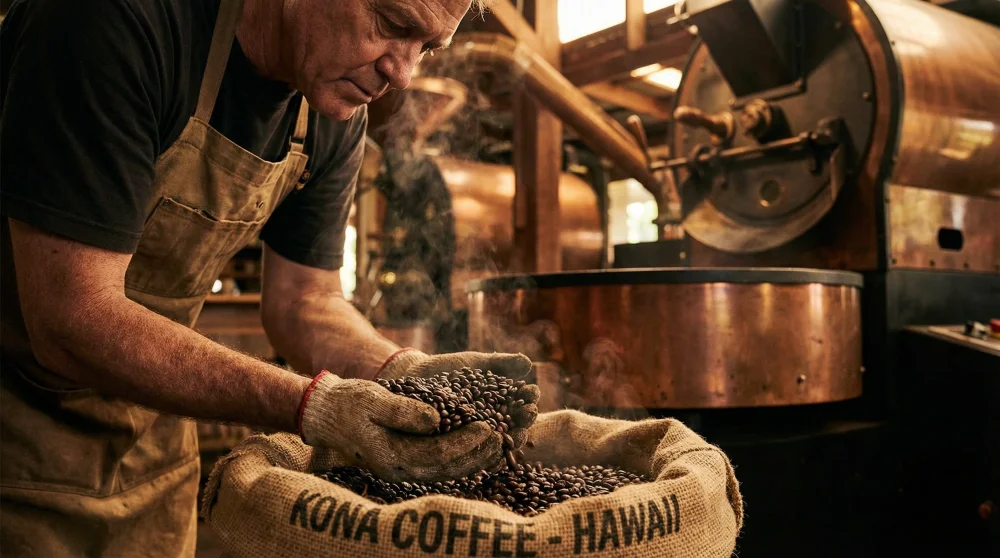
This is widely considered the gold standard for complimentary tours. Established in 1850, Greenwell is one of the oldest and largest operations. The tours are not just a quick walk; they are comprehensive educational experiences where you see coffee in every stage, from the tree to the drying deck.
- Admission: Complimentary
- Reservations: Not required for standard tours; just show up.
- Highlights: You get to sample various roasts at the end. Their peppercorn farm is an added bonus.
Mountain Thunder Coffee Plantation
Located higher up in the Cloud Forest, Mountain Thunder offers a cooler, mistier experience compared to the coastal farms. Because of the elevation, the coffee here matures slower, often resulting in a smoother flavor.
- Admission: Complimentary (for the standard tour)
- Schedule: Tours run regularly throughout the day.
- Pro Tip: The drive up is winding and scenic. Bring a light jacket, as temperatures drop significantly at this altitude.
Rooster Farms
If you want something organic and less commercial, Rooster Farms is the place. They have been certified organic for decades. It feels less like a factory and more like a visit to a passionate farmer's backyard.
- Admission: Complimentary (but reservations are usually required)
- Vibe: Intimate, educational, and focused on sustainable farming practices.
Best Premium & Historical Coffee Tours
If you are a true coffee aficionado or a history buff, paying for a specialized ticketed tour opens up doors to deeper knowledge, exclusive tastings, and private access.
Kona Coffee Living History Farm
This is the only living history coffee farm in the nation. Instead of a modern factory tour, you step into the 1920s. You walk through an original Japanese immigrant farmhouse, see how they dried beans on the hoshidana (traditional drying deck) with a rolling roof, and meet interpreters dressed in period clothing.
- Admission: Ticket Required
- Why Go: It is a cultural immersion, telling the human story behind the coffee industry rather than just the agricultural one.
- Note: Check their schedule as they are often closed on specific days of the week.
Buddha’s Cup
For those who appreciate award-winning flavor, Buddha’s Cup offers a more retreat-like atmosphere. They have won the Kona Coffee Cultural Festival Cupping Competition multiple times.
- Experience: They offer paid excursions that can include a 4x4 tour through the orchards, which is fun if you don't want to hike.
- Tasting: Their premium tastings are generous, often including savory treats that pair well with different roasts.
Hands-On Experiences: Roasting & Cupping Classes
Watching is one thing, but doing is another. If you have ever wanted to roast your own batch, investing in a workshop is the best way to do it.
Ueshima Coffee (UCC) Hawaii
UCC offers a distinctive Roast Master Tour. You do not just watch a machine; you get hands-on guidance to roast your own beans to your preferred darkness (medium, city, full city, or dark).
- The Best Part: You pack your custom-roasted beans into a personalized bag with your photo on it. It makes for the ultimate souvenir.
- View: The view of the Kona coast from their estate is arguably one of the best on the island.
Sunshower Coffee Farm
This is a small, family-owned farm that offers a very private and in-depth experience. Their Coffee Roasting Lesson takes you through the chemistry of roasting. It is perfect for geeks who want to understand the crack sounds and smell the development of the beans.
- Booking: Strictly by appointment only.
Practical Tips for Visiting Big Island Coffee Farms
A smooth trip requires a little bit of travel tips knowledge specific to the Big Island's geography.
Driving on the Coffee Belt
The roads in Kona, especially Mamalahoa Highway and the smaller side streets leading to farms, can be narrow and winding.
- Drive with Aloha: Locals use these roads to commute. If you are driving slow to look at the view, pull over to let others pass.
- Vehicle Choice: While most major farms like Greenwell are accessible by any car, some smaller estates up steep driveways might be easier with an SUV or Jeep.
Buying and Shipping Coffee
Kona coffee is a premium product because it is hand-picked and grown in the US. Do not be shocked by the price tag; you are paying for fair labor and exceptional quality.
- Label Warning: Look for 100% Kona Coffee. If the bag says Kona Blend, it likely contains only 10% Kona beans mixed with cheaper beans from elsewhere.
- Shipping: Most farms offer shipping options to the mainland US. This is a smart option if you want to buy in bulk but have limited luggage space.
When to Visit? (Kona Snow vs. Harvest)
You can visit year-round, but the landscape changes with the seasons.
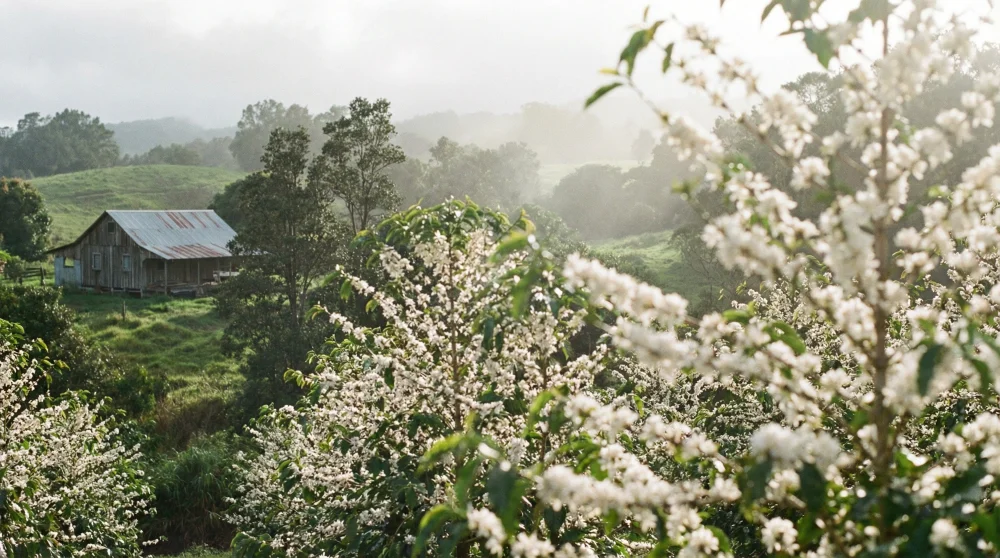
- February - March (Kona Snow): The trees bloom with small, fragrant white flowers that look like snow. The scent is often compared to jasmine. It is beautiful for photography but lasts only a short time.
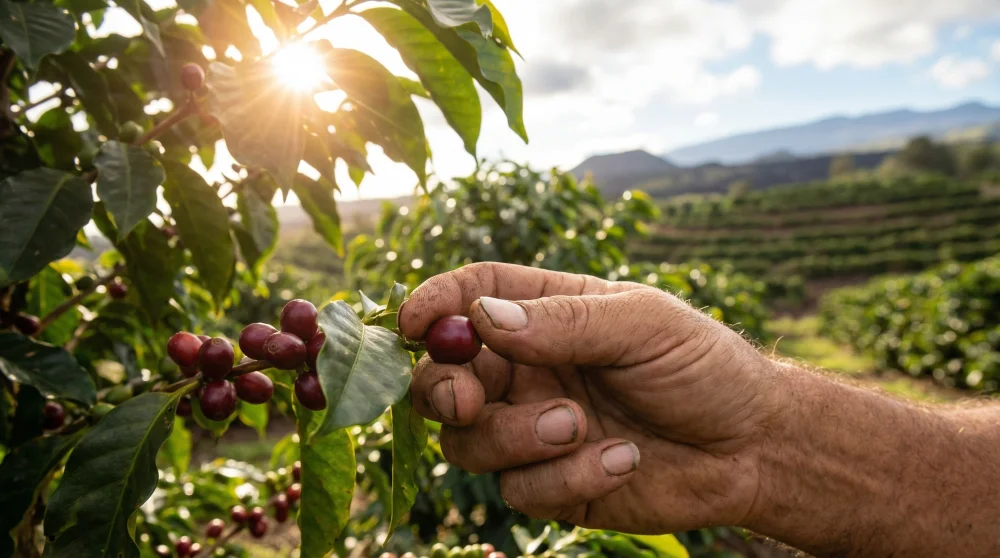
- August - January (Harvest Season): This is when the action happens. The green berries turn into bright red cherries. You will see pickers in the fields and machinery running. If you want to see the processing equipment in action, this is the time to go.
Flying into Kona
If your main goal is coffee, make sure you fly into Ellison Onizuka Kona International Airport (KOA). It places you right in the heart of the action, just minutes away from the nearest coffee fields. You can read more about how airport codes work in our airport codes guide to ensure you book the right destination.
![10 Cheapest Places for Skydiving in the World ([year] Price Guide)](https://www.rotasenin.com/uploads/2026/01/cheapest-skydiving-destinations-cuautla-mexico.webp)
![Museumplein Amsterdam: Things to Do, Museums & Events ([year])](https://www.rotasenin.com/uploads/2026/01/museumplein-amsterdam-three-museums.webp)
Comments (0)
Sign in to comment
Report